


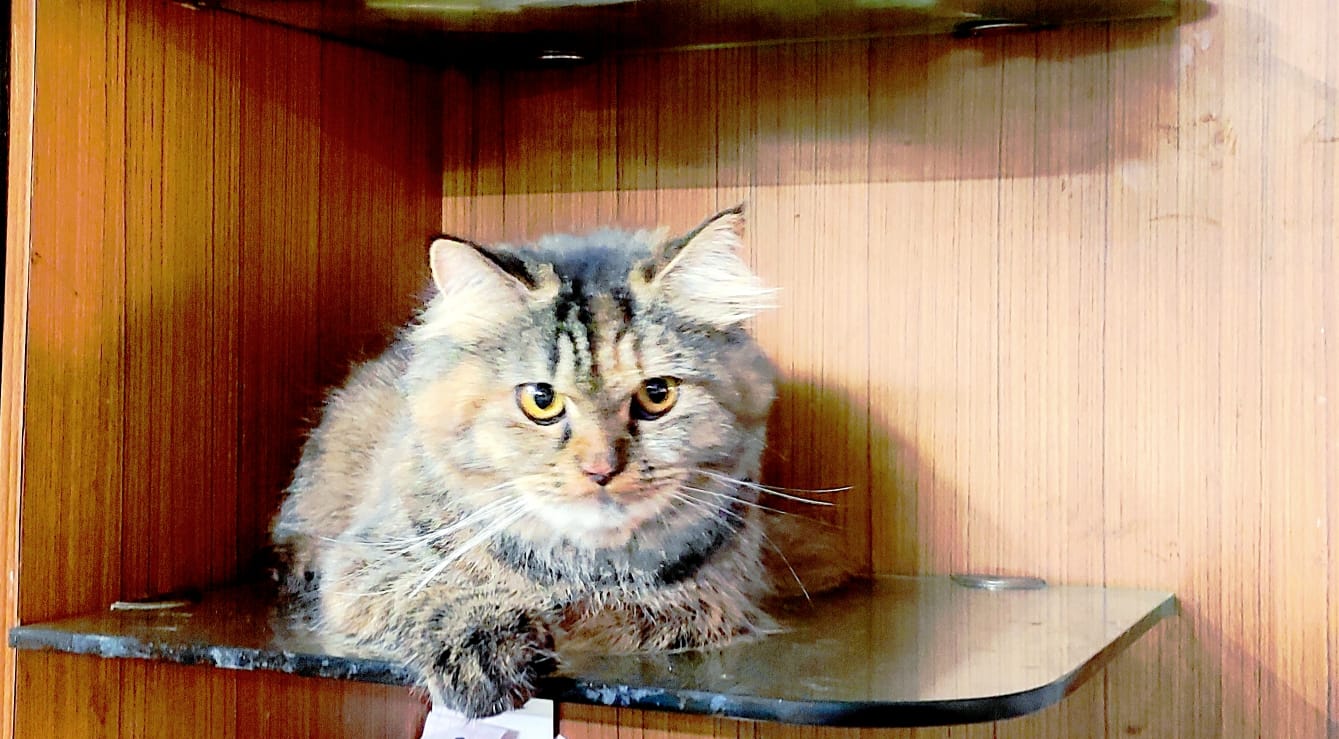
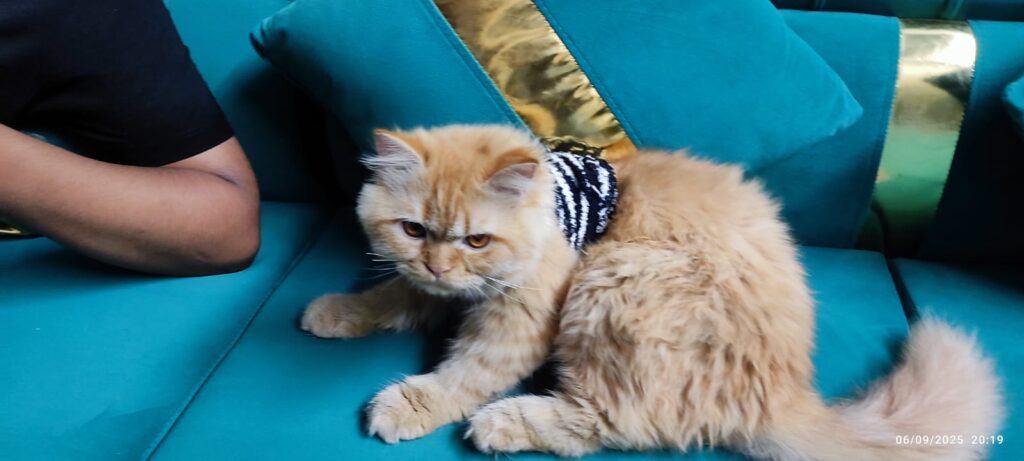
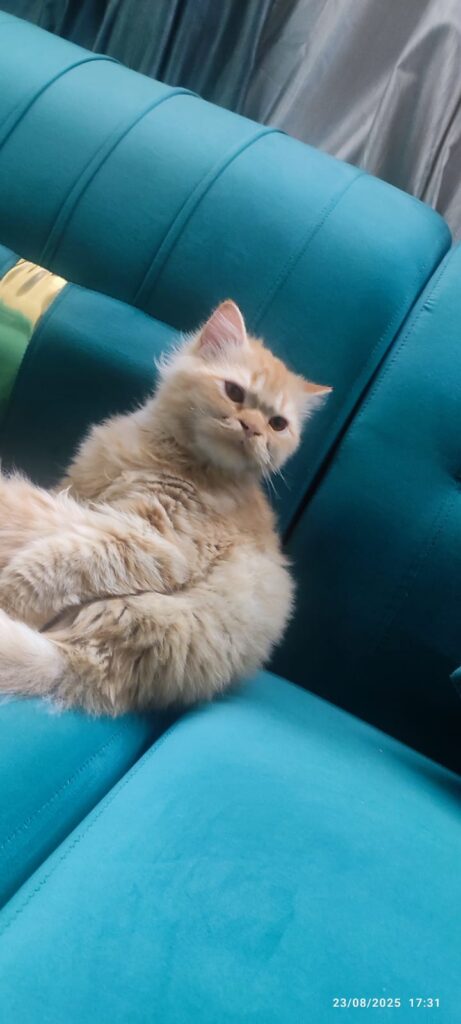
If you share your home with a Persian cat—or are thinking about bringing one into your family—you have likely noticed their sweet, flat-faced expression and calm demeanor. What you might not see is the potential for surprisingly high veterinary costs hiding beneath that luxurious coat.
The short answer is yes, Persian cats generally need pet insurance more than the average domestic shorthair. Their unique anatomy and genetic predispositions make them vulnerable to expensive health conditions that can easily cost thousands of dollars to treat. This article breaks down the real vet bills Persian owners face, the specific health risks of the breed, and whether insurance makes financial sense for you.
The Real Cost of Persian Cat Health Issues
Before discussing insurance, it helps to understand what you might actually pay without it. Persian cats are prone to several hereditary and anatomical conditions, and treatment costs can escalate quickly.
Here is a sample of common Persian health problems and their average treatment costs in the USA :
| Health Condition | Average Cost of Treatment |
|---|---|
| Heart Disease (HCM) | 5,000–20,000 |
| Progressive Retinal Atrophy (PRA) | 2,000–3,000 |
| Liver Shunt | 2,000–5,000 |
| Cruciate Ligament Tear | 2,000–4,000 |
| Cataracts | 2,000–3,000 per eye |
| Bladder Stones | 800–1,000 |
| Tooth Extraction | 800–1,000 |
| Malignant Skin Mass | 1,500–2,000 |
These figures represent out-of-pocket expenses if you pay directly at the veterinary hospital. For many families, a single 10,000heartsurgeryor3,000 emergency visit would be financially devastating.
A Real-Life Example: Pillsbury’s $20,000 Journey
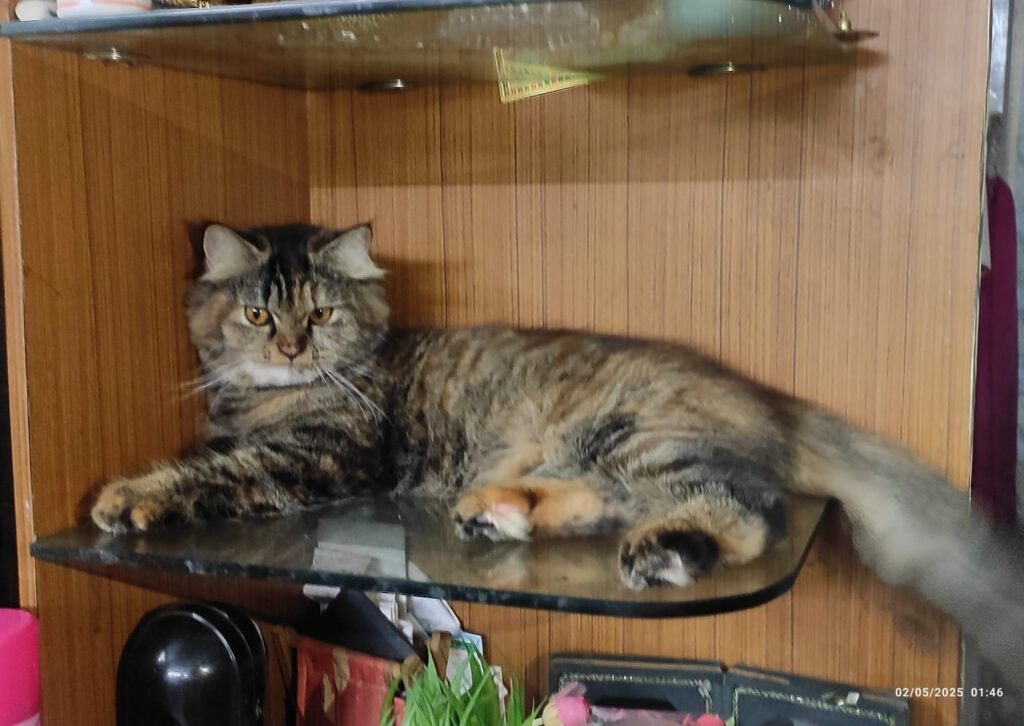
To understand why insurance matters for Persians, consider the true story of a Persian cat named Pillsbury .
Pillsbury’s health problems began as a kitten with treatment-resistant ringworm that took a full year and specialized dermatology care to resolve. Then came a mysterious chin condition that worsened despite treatment. When his owner took him to the vet for a steroid shot to help with itching, the injection triggered heart failure—a known risk in Persians, who are prone to underlying heart disease.
The emergency vet visit alone cost 4,000forthreedays∗∗ofintensivecare.Later,Pillsburydevelopedbladderstonesrequiring∗∗4,000forthreedays∗∗ofintensivecare.Later,Pillsburydevelopedbladderstonesrequiring∗∗3,000 surgery. By the end of his health journey, his total veterinary bills exceeded $20,000 .
“I would dearly love to tell you that I am exaggerating. But I might actually be underestimating his value here.” – Pillsbury’s owner
The owner notes that without fast recognition of the symptoms (she recognized labored breathing from her own experience with heart failure), the outcome could have been much worse. Today, Pillsbury requires medication twice daily and constant monitoring.
This is not an isolated case. According to veterinary surveys, among flat-faced cats like Persians :
- 69% require treatment for eye problems
- 60% require treatment for breathing/respiratory issues
- 45% require treatment for dental disease
- 32% require treatment for skin problems
Why Persians Are More Expensive Than Other Cats
Persians are not just “cats with flatter faces.” Their distinct anatomy creates predictable, recurring health expenses that other breeds rarely face.
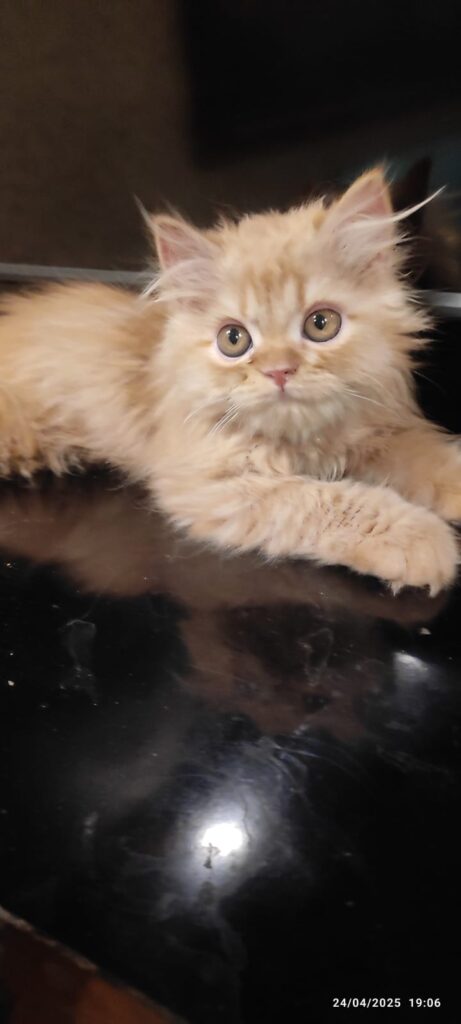
1. Brachycephalic Airway Syndrome
Because Persians have been selectively bred for extremely flat faces, their airways are compressed. This leads to noisy breathing, exercise intolerance, and heat sensitivity. In severe cases, surgical correction is needed to open the nostrils or shorten the soft palate—a procedure that can cost several thousand dollars .
2. Polycystic Kidney Disease (PKD)
This is arguably the most significant genetic threat to Persians. Studies show that 36% to 49% of Persian cats carry the gene for PKD, which causes fluid-filled cysts to form on the kidneys, eventually leading to kidney failure . Symptoms typically appear between 3 to 10 years of age. While there is no cure, management requires special renal diets, hydration support, and regular blood work—all ongoing expenses.
3. Hypertrophic Cardiomyopathy (HCM)
Persians are at moderate risk for this heart condition, which thickens the heart muscle and can lead to congestive heart failure or blood clots. Treatment involves lifelong medications, regular cardiac ultrasounds, and emergency care during crisis episodes .
4. Dental Disease Crisis
As covered in previous articles, Persians have crowded, misaligned teeth due to their shortened jaw. Professional dental cleanings under anesthesia cost 200to200to1,500, and tooth extractions can add another 800to800to1,000 . Many Persians require dental procedures every 12-18 months—not every 3-5 years like other cats.
5. Eye Problems
Excessive tearing (epiphora), inward-rolling eyelids (entropion), and corneal sequestrum are common. While daily wiping is manageable, surgical correction for entropion can cost $1,000 or more per eye .
How Much Does Pet Insurance Cost for a Persian Cat?
The good news is that cat insurance is significantly cheaper than dog insurance. For a three-year-old Persian cat with full coverage (accident, illness, hereditary conditions, and cancer), monthly premiums typically range from 29to29to34 per month, depending on your location .
| Location | Monthly Premium (Full Coverage) |
|---|---|
| Houston, Texas | $29 |
| Sacramento, California | $31 |
| New York, New York | $34 |
Sample pricing for a three-year-old Persian cat, full coverage plan
For less than the cost of a single takeout meal per week, you can potentially save yourself from a $20,000 veterinary nightmare.
What Does Pet Insurance Actually Cover?
Not all pet insurance policies are created equal. For a Persian cat, you need specific coverage types:
| Coverage Type | Do You Need It? | Why |
|---|---|---|
| Accident Coverage | ✅ Yes | Emergency visits for injuries or sudden illness |
| Illness Coverage | ✅ Yes | Covers diagnostics, hospitalization, medications |
| Hereditary Conditions | ✅ Yes | Essential for Persians – covers PKD, HCM, PRA |
| Cancer Coverage | ✅ Yes | Persian cancer treatments can exceed $5,000 |
| Prescription Medications | ✅ Yes | Lifelong heart or kidney meds add up quickly |
| Wellness/Routine Care | ⚠️ Optional | Covers dental cleanings, vaccines – run the numbers first |
| Pre-Existing Conditions | ❌ No | No insurer covers conditions diagnosed before enrollment |
Most importantly, hereditary and congenital conditions must be explicitly included. Many budget plans exclude breed-specific genetic disorders, which defeats the purpose for a Persian owner .
Routine Vet Costs: What You Will Pay Either Way
Even without major emergencies, owning a Persian comes with predictable annual veterinary expenses. According to AVMA data, here is what routine care typically costs :
| Service | Average Cost (Cat) |
|---|---|
| Wellness Exam | 50–150 |
| Vaccinations (core) | 25–50 |
| Bloodwork | 80–400 |
| Dental Cleaning (professional) | 200–1,500 |
| Fecal Exam | 25–150 |
The ASPCA estimates that the first year of owning a cat costs up to 1,174∗∗inroutinecarealone,andannualcostsforaPersiancanrangefrom∗∗1,174∗∗inroutinecarealone,andannualcostsforaPersiancanrangefrom∗∗2,000 to $4,000 when including grooming, food, and preventive vet visits .
Should You Get Insurance or Self-Fund an Emergency Savings Account?
This is the core financial question for any pet owner. Both approaches have merit.
Option 1: Pet Insurance
How it works: You pay a monthly premium (29–34). When a covered condition occurs, you pay the vet bill upfront, then submit a claim for reimbursement (typically 70% to 90%, after your deductible).
Best for: Owners who cannot afford a sudden 5,000–20,000 expense but can manage monthly premiums.
Example: A 10,000heartdiseasetreatmentwith901,000 out-of-pocket instead of $10,000.
Option 2: Self-Funded Emergency Account
How it works: You deposit 30–50 monthly into a dedicated savings account for pet emergencies.
Best for: Owners with strong savings discipline who can withstand a major expense before the account is fully funded.
The risk: A major emergency could occur after only six months of saving (less than $300 in the account), leaving you responsible for the full balance.
Which is right for you?
Consider insurance if:
- A 3,000–5,000 unexpected vet bill would cause financial hardship
- You want access to advanced care (specialists, surgeries) without financial triage
- Your Persian is young and has no pre-existing conditions
Consider self-funding if:
- You have at least 10,000–15,000 in readily available savings
- You are comfortable with the risk of depleting those savings
- You have multiple pets (insurance premiums multiply quickly)
When to Buy Insurance: Timing Matters
For Persian cats, the best time to purchase insurance is as early as possible—ideally before any symptoms appear.
Insurance does not cover pre-existing conditions. If your kitten has already been diagnosed with a heart murmur, PKD, or dental disease, those conditions will be excluded from coverage for life . Waiting until after a crisis means waiting too late.
Recommended timeline:
- 8-12 weeks: Purchase insurance immediately after bringing your kitten home
- Before first vet visit: Ideally before any health issues are documented
- Annual enrollment period: Review and adjust coverage annually
Some insurers, like MetLife, offer coverage for previously covered pre-existing conditions if you are switching providers, but this is rare—most will never cover any condition your cat had before the policy start date .
Practical Tips for Reducing Persian Cat Health Costs
Whether or not you buy insurance, these strategies will lower your out-of-pocket expenses:
Preventive Care Saves Money
- Daily tooth brushing reduces professional dental cleanings from yearly to every 2-3 years
- Annual wellness exams catch problems early when treatment is cheaper
- Weight management prevents obesity-related diabetes and arthritis (an overweight cat’s lifespan may be shortened by up to two years)
Know Your Vet’s Pricing
- Routine exam fees average 50–50–150 but vary by region
- Emergency and specialty hospitals charge significantly more than primary care vets
- Ask for written estimates before approving procedures
Consider a Wellness Plan for Routine Care
Some veterinary hospitals offer wellness plans that bundle preventive services (vaccines, dental cleaning, exams) for a monthly fee. This is different from insurance but can smooth out predictable costs.
Final Verdict: Do Persians Need Pet Insurance?
Based on the breed’s documented health risks and real-world veterinary costs, pet insurance is highly recommended for Persian cats.
Here is why:
| Factor | Assessment |
|---|---|
| Likelihood of major health event | High (PKD in 36-49%, HCM risk, airway issues) |
| Average cost of treatment | 5,000–20,000 for heart disease, $2,000+ for surgery |
| Monthly insurance premium | 29–34 (less than $400/year) |
| Breakeven analysis | One major event in the cat’s lifetime makes insurance worthwhile |
The numbers are clear: a single emergency surgery or heart disease diagnosis will cost more than an entire lifetime of insurance premiums. For the vast majority of Persian owners, insurance provides essential financial protection against the breed’s well-documented health vulnerabilities.
Disclaimer: This article is for informational purposes only and does not constitute financial or veterinary medical advice. Always consult with a licensed veterinarian and compare multiple pet insurance policies before purchasing. Pre-existing condition exclusions vary by provider.
Disclaimer: As an Amazon Associate, this site earns from qualifying purchases. The links below are universal search links that will show you the top-rated products in each category on Amazon.
🛒 Products Mentioned in This Article
Click the universal search link below to browse any of the products mentioned in this guide:
🔗 MAIN UNIVERSAL SEARCH LINK: https://amzn.to/42FD1jz
| Category | What to Search For |
|---|---|
| 🦷 Enzymatic Cat Toothpaste | “Enzymatic toothpaste cat” |
| 🪥 Soft Cat Toothbrush | “Soft toothbrush cat small” |
| 💧 Dental Water Additive | “Dental water additive cat” |
| 🐾 VOHC Dental Treats | “VOHC cat treats” |
| 👁️ Tear Stain Remover | “Tear stain remover cat” |
| 🩺 Pet First Aid Kit | “Pet first aid kit” |
| ⚖️ Pet Scale (weight monitoring) | “Pet scale digital” |
| 💊 Pill Dispenser / Organizer | “Pet pill organizer” |
| 📚 Cat Health Record Book | “Cat health record journal” |
🔍 How to Use This Link
- Click https://amzn.to/42FD1jz
- In the Amazon search bar, type any keyword from the table above
- Filter by 4+ stars and read recent reviews
- Always consult your veterinarian before starting new products
⭐ Recommended Preventive Care Kit for Persian Owners
Based on veterinary recommendations, start with:
- Enzymatic poultry toothpaste + ultra-soft toothbrush (daily dental care)
- Pet scale (monthly weight monitoring – obesity worsens all Persian health conditions)
- Cat health record binder (track vet visits, vaccine dates, and medication schedules)
Use the universal search link above to find current best-sellers in each category.
Disclaimer regarding insurance: Product links are for pet care supplies only. Pet insurance policies are not sold through Amazon affiliate links. Always compare policies directly from licensed providers.










Leave a Reply