


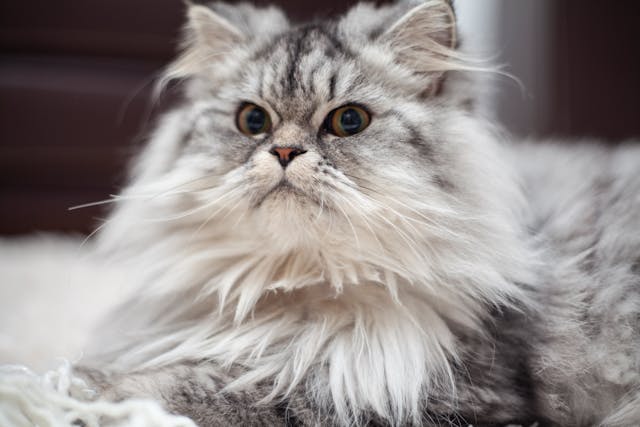
For most cats, dinner means a scoop of dry kibble from a bag. But for the growing segment of high-end cat owners who view their felines as family members—not property—mealtime is a carefully orchestrated experience. Think human-grade ingredients, rotational feeding schedules, and nutrition plans curated by veterinary nutritionists.
Welcome to the world of luxury cat diets. Here is exactly what affluent U.S. cat owners are putting in their cats’ bowls—and why.
Part 1: The Philosophy Behind Luxury Cat Feeding
Luxury cat owners don’t just feed their cats. They curate their nutrition. The guiding principles are simple but transformative:
| Principle | What It Means |
|---|---|
| Species-appropriateness | Cats are obligate carnivores—they require animal protein, not fillers |
| Ingredient transparency | Every ingredient should be recognizable and human-grade |
| Rotation | No single protein or formula for life; variety prevents allergies and boredom |
| Hydration | Moisture-rich foods support kidney and urinary tract health |
| Minimal processing | The closer to whole prey, the better |
“I spend more time researching my cat’s food than my own,” says one luxury cat owner in Manhattan. “She eats better than I do.”
Part 2: Raw Diets – The Gold Standard for Luxury Owners
Raw feeding is the most controversial—and most expensive—approach to feline nutrition. Proponents argue it most closely mimics what cats evolved to eat: whole prey (muscle meat, organs, bones).
Types of Raw Diets
| Type | Description | Cost per Month |
|---|---|---|
| Pre-made frozen raw | Commercially prepared, balanced raw food (e.g., Darwin’s, Primal, Stella & Chewy’s) | $100 – $200 |
| Freeze-dried raw | Convenient, shelf-stable; rehydrated before serving | $80 – $150 |
| Homemade raw | Owner prepares using veterinary-formulated recipes | $50 – $100 (plus time) |
What Luxury Owners Love About Raw
- Shinier coats (visible within 4-6 weeks)
- Smaller, less smelly stools (higher digestibility)
- Better dental health (chewing raw meat cleans teeth)
- Increased energy and muscle tone
- Weight management (high protein, low carbohydrate)
The Risks (Why Not Everyone Does It)
- Bacterial contamination (Salmonella, E. coli, Listeria)
- Nutritional imbalance if not properly formulated
- Bone content (too much causes constipation; too little causes calcium deficiency)
- Cost (2-3x more expensive than premium kibble)
Expert consensus: If choosing raw, select commercially prepared frozen raw from reputable brands that follow AAFCO and USDA safety protocols. Avoid homemade raw unless formulated by a veterinary nutritionist.
- Freeze-Dried Raw Cat Food
- Frozen Raw Cat Food (Shipping Available)
- Raw Cat Food Toppers
- Complete & Balanced Raw Cat Food
- Stella & Chewy’s Freeze-Dried Raw
- Primal Raw Cat Food
Part 3: Premium Kibble – When Dry Food Goes Luxury
Not all luxury owners feed raw. Many prefer high-end kibble—but not the kind you find in grocery stores. Premium kibble differs from standard kibble in fundamental ways:
| Feature | Standard Kibble | Premium Kibble |
|---|---|---|
| First ingredient | Corn, wheat, or by-product meal | Named meat (chicken, salmon, rabbit) |
| Protein content | 25-30% | 40-50%+ |
| Carbohydrates | 40-50% (filler-heavy) | 10-20% (species-appropriate) |
| Grain content | Corn, wheat, soy | Grain-free or limited grains (quinoa, oats) |
| Preservatives | BHA, BHT, ethoxyquin | Natural (vitamin E, rosemary extract) |
| Price per pound | $1 – $2 | $5 – $15 |
Top Premium Kibble Brands (U.S. Market)
| Brand | Key Feature | Price (5-10 lb bag) |
|---|---|---|
| Orijen | 85-90% animal ingredients; fresh/raw regional ingredients | $30 – $60 |
| Acana | 60-70% animal ingredients; slightly more affordable than Orijen | $25 – $50 |
| Stella & Chewy’s | Raw-coated kibble (freeze-dried raw pieces mixed in) | $25 – $45 |
| Farmina | Ancestral grain or grain-free; low glycemic | $30 – $55 |
| Open Farm | Humanely sourced, transparent supply chain | $25 – $50 |
Why Luxury Owners Choose Premium Kibble
- Convenience (no thawing, no refrigeration)
- Dental benefits (crunching reduces tartar)
- Cost-effective compared to raw (but still expensive)
- Easier for pet sitters (no special instructions)
Shop premium kibble on Amazon:
- Freeze-Dried Raw Cat Food
- Frozen Raw Cat Food (Shipping Available)
- Raw Cat Food Toppers
- Complete & Balanced Raw Cat Food
- Stella & Chewy’s Freeze-Dried Raw
- Primal Raw Cat Food
Part 4: Protein Rotation – Why Variety Matters
One of the hallmarks of a luxury cat diet is protein rotation—feeding different protein sources throughout the week rather than the same formula for life.
The Science Behind Rotation
| Benefit | Explanation |
|---|---|
| Prevents food allergies | Repeated exposure to the same protein increases allergy risk |
| Broadens nutrient profile | Different proteins offer different amino acid profiles |
| Reduces pickiness | Cats accustomed to variety are less finicky |
| Mimics natural variety | Wild cats eat many prey species |
The Luxury Protein Menu
High-end owners rotate among these proteins:
| Protein | Characteristics | Best For |
|---|---|---|
| Chicken | Lean, widely available, affordable | Most cats; baseline protein |
| Turkey | Lean, lower allergenic than chicken | Cats with chicken sensitivity |
| Rabbit | Novel protein; highly digestible | Allergies; picky eaters |
| Duck | Rich flavor; novel protein | Rotation variety |
| Salmon | Omega-3 fatty acids | Skin/coat health |
| Venison | Very novel; lean | Severe allergies |
| Lamb | Rich; higher fat | Underweight cats |
| Quail | Exotic; small prey model | Rotation variety |
Sample Luxury Rotation Schedule (One Week)
| Day | Morning | Evening |
|---|---|---|
| Monday | Chicken (premium kibble) | Rabbit (canned) |
| Tuesday | Turkey (freeze-dried raw) | Salmon (wet) |
| Wednesday | Duck (premium kibble) | Chicken (freeze-dried raw) |
| Thursday | Rabbit (canned) | Turkey (premium kibble) |
| Friday | Venison (freeze-dried raw) | Duck (canned) |
| Saturday | Salmon (wet) | Rabbit (freeze-dried raw) |
| Sunday | Mixed proteins (rotation reset) | Chicken (premium kibble) |
Shop rotational proteins on Amazon:
Rabbit Cat Food | Duck Cat Food | Venison Cat Food | Salmon Cat Food | Turkey Cat FoodPart 5: Feeding Schedules – Precision Over Free-Feeding
Luxury owners rarely free-feed (leaving food out all day). Instead, they follow structured feeding schedules optimized for feline biology.
Why Schedule Feeding Matters
| Free-Feeding Problem | Scheduled Feeding Solution |
|---|---|
| Obesity (cats eat out of boredom) | Controlled portions |
| Food begging behavior | Predictable routine reduces anxiety |
| Difficulty monitoring appetite changes | Missed meal signals illness immediately |
| Multi-cat food guarding | Individual portions prevent conflict |
The Luxury Feeding Schedule (Adult Cat)
| Meal | Time | Portion | Notes |
|---|---|---|---|
| Breakfast | 6:00 – 7:00 AM | 1/4 of daily calories | Wet or raw (hydration boost) |
| Lunch | 12:00 – 1:00 PM | 1/4 of daily calories | Kibble or freeze-dried (convenient) |
| Dinner | 6:00 – 7:00 PM | 1/4 of daily calories | Wet or raw (primary meal) |
| Bedtime snack | 10:00 – 11:00 PM | 1/4 of daily calories | Small portion (prevents early morning waking) |
Kitten vs. Senior Adjustments
| Life Stage | Meals per Day | Special Considerations |
|---|---|---|
| Kitten (2-6 months) | 4-5 meals | High calorie density; frequent feeding |
| Kitten (6-12 months) | 3 meals | Transition to adult schedule |
| Adult (1-7 years) | 3-4 meals | Maintain consistent timing |
| Senior (8+ years) | 3-4 smaller meals | Easier digestion; monitor for kidney disease |
The Automatic Feeder Advantage
Many luxury owners use programmable automatic feeders to maintain precise schedules even when away from home.
Benefits of automatic feeders:
- Portion control (prevents overfeeding)
- Schedule consistency (cats thrive on routine)
- Fresh food preservation (some models have ice packs for wet food)
- Remote monitoring (app-connected models)
Shop automatic feeders on Amazon:
Part 6: Hydration – The Overlooked Luxury Essential
Cats have a naturally low thirst drive (evolved to get water from prey). Luxury owners prioritize hydration through multiple strategies:
Hydration Strategies
| Strategy | Why It Works | Cost |
|---|---|---|
| Wet food only | 78-82% moisture content vs. 5-10% in kibble | $50 – $150/month |
| Water fountains | Moving water triggers drinking instinct | $25 – $80 (one-time) |
| Broth toppers | Flavored hydration encourages intake | $10 – $20/month |
| Multiple stations | 3-4 water bowls throughout the home | $0 – $30 |
The Luxury Water Fountain
High-end owners avoid stagnant bowls. Instead, they invest in ceramic or stainless steel fountains (not plastic, which harbors bacteria). Features to look for:
- Filters (removes debris, improves taste)
- Low noise (silent pump)
- Dishwasher-safe components
- Large capacity (1 gallon+ for multi-cat)
Shop hydration products on Amazon:
Part 7: Supplements – The Finishing Touch
Many luxury owners add supplements to address specific health concerns or optimize wellness.
| Supplement | Purpose | When to Consider |
|---|---|---|
| Omega-3 fatty acids | Skin/coat health; anti-inflammatory | All cats, especially those on dry food |
| Probiotics | Digestive health; immune support | After antibiotics; stress; sensitive stomach |
| Glucosamine | Joint health | Senior cats; large breeds (Maine Coon) |
| L-lysine | Immune support | Cats with herpes virus (common in shelter rescues) |
| Milk thistle | Liver support | Senior cats; cats on long-term medications |
Important: Always consult a veterinarian before starting supplements. More is not better.
Shop cat supplements on Amazon:
Part 8: The Monthly Cost Breakdown – What Luxury Really Costs
Here is what a luxury feeding program actually costs per month for one average-sized cat (10 lbs):
| Category | Low-End Luxury | High-End Luxury |
|---|---|---|
| Base food (premium kibble or frozen raw) | $50 | $150 |
| Wet food (hydration boost) | $30 | $80 |
| Protein rotation (variety of proteins) | $20 | $50 |
| Supplements | $10 | $30 |
| Water filtration (fountain filters) | $5 | $10 |
| Automatic feeder (amortized monthly) | $5 | $15 |
| Treats (freeze-dried, single-ingredient) | $10 | $25 |
| Monthly Total | $130 | $360 |
| Annual Total | $1,560 | $4,320 |
Compare to standard feeding: A typical cat on grocery-brand kibble costs approximately $15 – $30 per month ($180 – $360 annually).
Part 9: Expert Tips from Luxury Cat Owners
Real strategies from high-end cat owners across the U.S.:
1. Transition slowly
“Never switch food abruptly. Mix new with old over 7-10 days to avoid digestive upset.”
2. Measure everything
“Use a kitchen scale. ‘A scoop’ is not accurate. Obesity is the #1 nutrition-related disease.”
3. Watch the poop
“Stool consistency tells you everything. Ideal is firm, dark brown, minimal odor. Too soft? Too much fat or too fast transition.”
4. Rotate brands, not just proteins
“Different brands have different nutrient profiles. Rotation prevents gaps.”
5. Don’t forget dental health
“Raw bones clean teeth. For kibble-fed cats, add dental treats or water additives.”
6. Consult a veterinary nutritionist
“If you’re doing homemade raw, spend $200-300 on a consultation. It’s cheaper than treating nutritional deficiencies.”
Part 10: Common Mistakes Luxury Owners Make
Even wealthy owners get it wrong sometimes:
| Mistake | Why It’s a Problem | Fix |
|---|---|---|
| Switching foods too fast | Diarrhea, vomiting, food aversion | 7-10 day transition |
| Over-supplementing | Toxicity; nutrient imbalances | Vet consultation first |
| Ignoring calories | Obesity despite “premium” food | Measure portions |
| One protein forever | Increased allergy risk | Rotate quarterly |
| Free-feeding premium food | Still causes obesity | Scheduled meals |
Quick Reference: Luxury Cat Diet Shopping List
Here is everything a luxury cat owner needs to build a premium feeding station:
🐱 Premium Cat Supplies on Amazon
Shop the best cat food, feeders, supplements, and more — curated for luxury cat care. Store ID: aaibi-20
🔗 As an Amazon Associate (aaibi-20), we earn from qualifying purchases. Prices and availability are subject to change.
Final Thoughts: Is a Luxury Diet Worth It?
The evidence is clear: high-quality nutrition leads to measurable health benefits—shinier coats, better weight management, fewer veterinary visits for diet-related diseases (diabetes, kidney disease, urinary issues).
However, expensive does not always mean better. The best diet is one that:
- Your cat will actually eat
- Fits your budget sustainably
- Is complete and balanced (AAFCO statement)
- Works for your lifestyle
For owners who can afford it, a luxury diet is an investment in their cat’s longevity and quality of life. For those on a budget, the most important thing is feeding a complete and balanced diet—even if it’s not premium.
Bottom line: Feed the best you can afford. Your cat’s health will thank you.
*As an Amazon Associate (aaibi-20), we earn from qualifying purchases. Prices and availability are subject to change. Always consult your veterinarian before making significant changes to your cat’s diet.*










Leave a Reply