


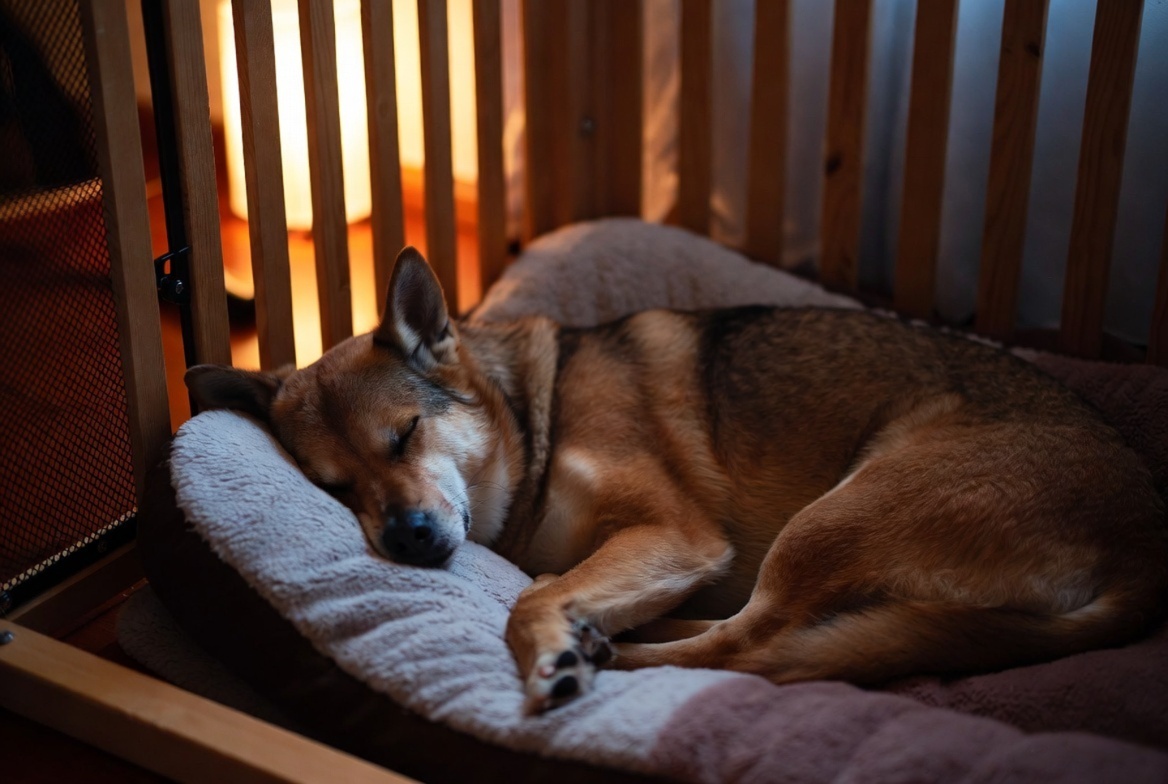
If your dog panics at thunderstorms, fireworks, or even doorbells, you’re not alone. Noise anxiety affects thousands of dogs—and it can turn your home into a stress zone. But here’s the good news: with the right combination of soundproofing, behavior training, and smart tools, you can create a calm, safe environment your dog actually trusts.

BUGAZOOM Bitter Dog No Chew Spray
🔒 Secure transaction · Ships from Amazon · Minority-Owned Business
This content is part of a paid promotional campaign. As mandated by applicable advertising guidelines, platform policies, and campaign terms, the following disclosure applies: “This post includes an affiliate or sponsored link to Amazon. As an Amazon Associate / campaign participant, we earn from qualifying purchases.”
Transparency commitment: The relationship with the brand and retailer is clearly stated. No misleading claims are made. This disclosure is an unavoidable, permanent part of this content as required by campaign terms.
Noise-Proofing Your Home for Dogs with Anxiety: A Practical, Science-Backed Guide
Dogs experience the world through sound far more intensely than we do. What feels like a mild disturbance to you—a passing truck, a pressure cooker whistle, or a thunderclap—can register as a high-stress event for your dog. For noise-sensitive or anxious dogs, repeated exposure to sudden or loud sounds can trigger chronic stress, destructive behavior, and even health issues. The good news: with a structured approach to noise-proofing your home, you can significantly reduce these triggers and help your dog feel safe and in control.
This guide breaks down the acoustic principles, environmental modifications, and behavior strategies that actually work—so you’re not just guessing, but implementing solutions grounded in how dogs hear and process sound.
Why Noise Affects Dogs So Strongly
Dogs can hear frequencies up to ~45–65 kHz (humans cap around 20 kHz). That means they detect high-pitched and distant sounds we often miss. Combine that with a heightened startle response and associative learning (e.g., fireworks = fear), and you get a system primed for anxiety.
Common triggers include:
- Thunderstorms and fireworks
- Construction, traffic, and horns
- Doorbells, alarms, pressure cookers
- Loud TVs or music
- Neighbor noise (voices, footsteps)
Repeated exposure without a coping mechanism can lead to sensitization (worsening reactions over time), not habituation.
Step 1: Create a Dedicated “Safe Zone”
Start by giving your dog a predictable, low-stimulus area where sound is minimized.
Where to set it up
- Interior room with fewer windows (bedroom, closet, or a corner away from street-facing walls)
- Avoid echo-prone areas like kitchens or tiled hallways
How to build it
- Use a covered crate or a den-like bed
- Add thick bedding and familiar scents (your worn T-shirt works)
- Keep lighting dim and consistent
- Provide long-lasting chews or puzzle toys for positive association
Why it works
A safe zone leverages predictability + control—two variables that measurably reduce anxiety responses in animals.
Step 2: Block External Noise (Sound Insulation Basics)
You don’t need a recording studio to make a meaningful difference. Focus on mass, sealing, and absorption.
1) Windows & Doors
- Install weatherstripping to seal gaps (reduces sound leakage paths)
- Use door sweeps at the bottom of doors
- Hang thick blackout curtains or acoustic curtains over windows
2) Walls & Floors
- Place bookshelves, wardrobes, or filled cabinets against noise-facing walls (adds mass)
- Use rugs, carpets, and underlays to reduce reflections and footfall noise
- Consider acoustic panels or foam tiles on shared walls (helpful for apartments)
3) Quick Wins
- Draft stoppers (door snakes) for immediate gap reduction
- Double-layer curtains (sheer + heavy) for flexible light and sound control
- Move the dog’s bed away from direct noise paths (e.g., windows)
Principle: Sound travels through air gaps and vibrates through surfaces. You’re reducing both transmission and reflection.
Step 3: Use Sound Masking (White Noise & Calming Audio)
Complete silence isn’t realistic. Instead, mask unpredictable spikes with steady, low-level background sound.
Options
- White noise machines
- Fans or air purifiers (continuous hum)
- Calming dog playlists or classical music
Best practices
- Keep volume low and constant (avoid sudden changes)
- Start masking before the expected trigger (e.g., before a storm)
- Pair with the safe zone to build a consistent “sound environment”
Why it works
Masking reduces the signal-to-noise contrast of sudden sounds, making them less salient and less likely to trigger a startle response.
Step 4: Desensitization & Counterconditioning (Behavioral Layer)
Physical changes help, but behavioral training is what creates lasting resilience.
Gradual Desensitization
- Play recordings of triggers (thunder, fireworks) at very low volume
- Increase volume slowly over days/weeks—only if your dog remains relaxed
Counterconditioning
- Pair the sound with high-value rewards (chicken, cheese)
- Goal: sound predicts something good, not fear
Protocol Tips
- Short, frequent sessions (3–5 minutes)
- Watch body language: ears back, lip licking, pacing = too intense
- Never flood (don’t expose your dog to full-volume triggers)
Outcome: You’re rewiring the emotional response from fear → neutrality/positive.
Step 5: Strategic Scheduling & Routine Control
Many noise events are predictable. Plan around them.
- Walk and exercise your dog before expected triggers (tired dogs cope better)
- Feed meals or provide enrichment during noise windows
- Close windows/curtains ahead of storms or peak traffic hours
- For fireworks seasons, pre-load the environment: masking sound + safe zone ready
Consistency reduces uncertainty—a major driver of anxiety.
Step 6: Enrichment to Redirect Focus
A busy brain is less reactive.
Effective tools
- Frozen KONGs or lick mats (promote calming through licking)
- Puzzle feeders and snuffle mats
- Long-lasting chews (bully sticks, dental chews)
Why it works
These activities activate soothing, repetitive behaviors and shift attention away from external stimuli.
Step 7: When to Consider Wearables & Aids
Some dogs benefit from adjunct tools:
- Anxiety wraps/pressure vests: Provide gentle, constant pressure (similar to swaddling)
- Pheromone diffusers: Synthetic dog-appeasing pheromones may reduce baseline stress
- Calming supplements: L-theanine, tryptophan, or herbal blends (use with guidance)
Important: These are support tools, not substitutes for environmental control and training.
Step 8: Advanced Soundproofing (If Needed)
For severe cases or high-noise locations:
- Double-glazed windows or window inserts
- Solid-core doors (heavier = better sound blocking)
- Door seals and acoustic gaskets
- Decoupling techniques (e.g., resilient channel on shared walls—more involved/renovation-level)
Expect diminishing returns: each upgrade helps incrementally. Combine methods for best results.
Step 9: Monitor Stress Signals and Progress
Track how your dog responds so you can adjust.
Signs of improvement
- Reduced startle, quicker recovery
- Willingness to eat/play during noise
- Choosing the safe zone independently
Red flags
- Persistent panting, drooling, pacing
- Destructive behavior, escape attempts
- Refusal to eat or engage
Use a simple log: trigger, intensity (1–5), duration, recovery time. Data beats guesswork.
Step 10: When to Involve a Professional
If anxiety is severe or escalating, consult:
- A certified canine behaviorist for structured protocols
- A veterinarian to rule out medical contributors and discuss short-term anti-anxiety medication if appropriate
Medication, when indicated, can lower the baseline arousal, making training more effective—not replace it.
Common Mistakes to Avoid
- Flooding: Exposing your dog to full-intensity noise “to get used to it” (often worsens fear)
- Inconsistent setup: Changing the safe zone or sound environment frequently
- Over-reliance on gadgets: Skipping training and environmental basics
- Punishment: Scolding fear responses increases anxiety and erodes trust
Putting It All Together (Action Plan)
- Design a safe zone in a quiet interior space
- Seal gaps + add soft materials (curtains, rugs, furniture mass)
- Introduce steady masking sound at low volume
- Start desensitization + counterconditioning with recordings
- Use enrichment during trigger windows
- Layer in aids (wraps/pheromones) if helpful
- Track progress and iterate
- Escalate to professional help if needed
Final Takeaway
Noise-proofing for an anxious dog isn’t a single product—it’s a system that combines acoustics, routine, and behavior science. When you reduce sound intensity, stabilize the environment, and retrain your dog’s emotional response, you convert unpredictable, scary events into manageable background noise. The result is not just fewer panic episodes, but a dog that recovers faster, relaxes more easily, and trusts its environment again
Why Dogs Are So Sensitive to Noise
- Brief science explanation (hearing range, sensitivity)
- Emotional trigger patterns
- Internal link:
👉 Also read: How to Calm an Anxious Dog Naturally (Complete Guide)
If your dog struggles with noise anxiety, don’t wait for it to get worse. Start with small changes—create a safe space, reduce noise, and train gradually. With consistency, you can transform your home into a calm, stress-free environment your dog feels safe in.










Leave a Reply