


If you think you’ve seen every kind of house cat, think again. While breeds like Persians, Maine Coons, and Siamese are common in many homes, some felines are so rare that even seasoned cat lovers may never encounter one in person.
In this guide, we’ll explore the top 10 rarest domestic cat breeds in the world, what makes them unique, where they come from, and why they’re so hard to find.
Sokoke Cat – The Rarest Domestic Cat Breed
When cat lovers debate the most exotic felines, names like the Bengal or Savannah usually come to mind. But there is a hidden gem in the feline world, a cat so rare that most veterinarians will never see one in their lifetime: the Sokoke Cat.
Holding the official title of the rarest domestic cat breed in the world, the Sokoke is a living piece of natural history. Unlike man-made hybrids (like the Ashera or Bengal), the Sokoke is a naturally occurring landrace—meaning nature designed it, not human breeders.
But why is this Kenyan forest cat so scarce? And what does it cost to own a creature rarer than a diamond? Let’s dive into the mysterious world of the Sokoke Cat.
What Exactly is a Sokoke Cat?
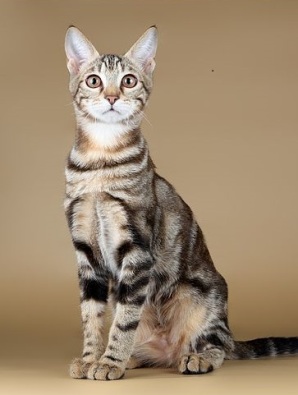
The Sokoke (pronounced So-KO-kay) originates from the Arabuko-Sokoke Forest in coastal Kenya. First discovered in the 1970s, these cats were initially feral tree-dwellers. Their coat is a ticked, marbled tabby pattern reminiscent of tree bark or “clouded wood,” with a long, muscular body described by breeders as “a weasel on stilts.”
The breed gained full championship status with FIFe, but to this day, the Sokoke Cat remains critically endangered—even within the domestic pet trade.
Why is the Sokoke the Rarest Domestic Cat Breed?
Global population: Fewer than 100 purebred Sokoke cats exist worldwide. Breeding pairs number less than a dozen active catteries globally. There are more Giant Pandas in the wild than purebred Sokokes in captivity.
- Low litter sizes: Only 2–3 kittens per litter.
- Slow maturity: Nearly 3 years to reach full reproductive maturity.
- Strict breeding standards: No outcrossing to preserve Kenyan genetics.
- Low demand: Their short, sleek coat is less “flashy” than Bengals or Persians.
True Cost of Ownership: Price vs. Rarity
Average Purchase Price: $2,000 – $5,000. Expect to wait 12–24 months on a breeder’s waiting list.
| Expense Category | Estimated Cost | Why It’s Higher for Sokokes |
|---|---|---|
| Relocation & Transport | $1,500 – $3,000 | Most breeders are international (EU to US). Requires specialized pet couriers. |
| Genetic Screening | $400 – $600 | Limited gene pool means higher risk; mandatory DNA profiling. |
| Veterinary Familiarity | Varies | Most vets misidentify as “Bengal mix”; may need a feline geneticist. |
| Enrichment (Vertical Space) | $800 – $2,000 | Sokokes are arboreal (tree-dwellers). Need 6ft+ cat trees or wall shelving. |
| Annual Insurance | $600 – $1,200 | Rare breeds often require exotic pet insurance riders. |
Health, Lifespan & Personality
Unlike the Persian (prone to PKD) or Sphynx (prone to HCM), the Sokoke is remarkably healthy with no known breed-specific genetic diseases and a lifespan of 15–20 years. But they are not lap cats: they are active, vocal, and bond intensely to one person. A screened “catio” or exercise wheel is mandatory.
🐾 Luxury Essentials for Your Rare Sokoke Cat
Your Sokoke deserves the same exclusivity it brings to your home. Below are hand-picked premium products available on Amazon USA — from designer cat trees to organic treats. Every purchase through our aaibi-20 store ID supports our independent cat journalism at no extra cost to you.
🏰 Designer Cat Tree
Floor-to-ceiling, real wood, modern aesthetic — built for Sokoke climbing.
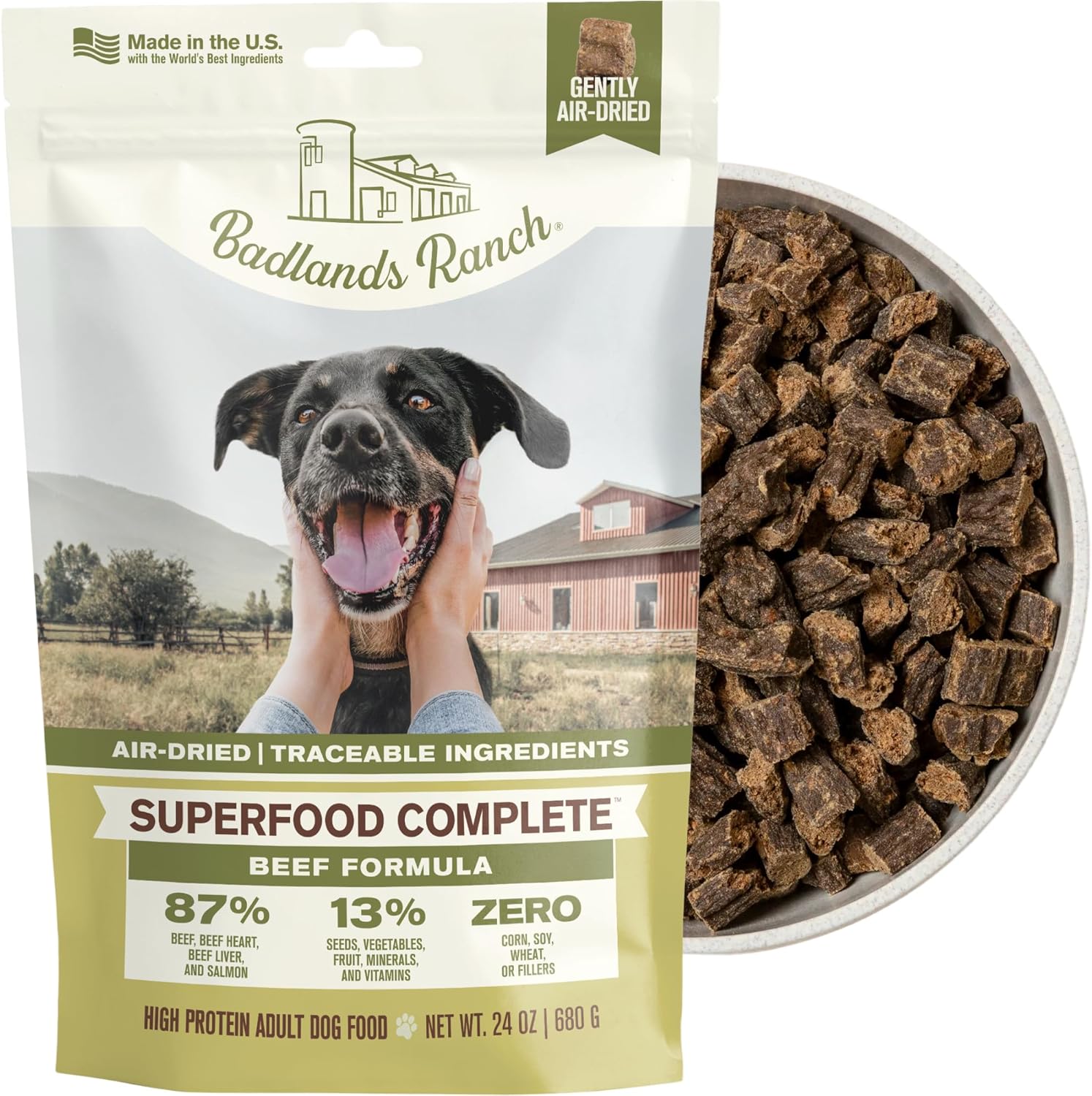
Shop on Amazon →🥩 Organic Freeze-Dried Raw Food
High-protein, grain-free, ethical ingredients for wild-origin breeds.
Shop on Amazon →⚡ Large Cat Exercise Wheel
For high-energy Sokokes & Bengals — silent, sturdy, indoor running.
Shop on Amazon →✈️ Premium Leather/Canvas Carrier
Airline-approved, luxury materials, safety-certified for rare breeds.
Shop on Amazon →🧬 Cat DNA & Genetic Test
Essential for Sokoke owners — ancestry, health markers, breed ID.
Shop on Amazon →Designer Collars Smart Water Fountains Organic Catnip & Sprays Heated Orthopedic Beds Pet Cameras with Treat Toss Spaceship Cat Backpacks Handmade Artisan Beds Wall-Mounted Activity Centers
✨ As an Amazon Associate (aaibi-20) we earn from qualifying purchases. This helps us create rare breed content — thank you for your support.
Sokoke vs. Other Rare Breeds: Quick Comparison
| Breed | Rarity Level | Average Price | True Cost Over 10 Years |
|---|---|---|---|
| Sokoke | Critically Rare (<100 cats) | $2k – $5k | $15k – $20k |
| Khao Manee | Rare (<500 cats) | $5k – $11k | $25k – $35k |
| Ashera | Ultra-Rare | $15k – $125k | $50k – $150k |
| Savannah (F1) | Rare | $12k – $50k | $40k – $80k |
Final Verdict: Is the Sokoke Right for You?
The Sokoke Cat is not a status symbol. It’s for the genetic purist who values natural history. With fewer than 100 specimens on the planet, owning a Sokoke is about stewardship — adopting a piece of Kenyan biodiversity. If you’re ready for a high-energy, loyal, and ultra-rare companion, the Sokoke will reward you with 15+ years of wild grace.
Have you ever encountered a Sokoke Cat? Share your story in the comments. For more deep dives into the world’s rarest and most expensive pets, keep reading aaibi.com.
Whether you’re curious about exotic-looking pets or researching a future feline companion, these rare cat breeds are sure to impress.
1. Sokoke Cat – The Rarest Domestic Cat Breed
The Sokoke cat is often considered the rarest domestic cat breed in the world. Originating from Kenya’s Arabuko-Sokoke Forest, this naturally occurring breed has a wild appearance with a marbled tabby coat.
Why It’s Rare:
- Limited breeding programs worldwide
- Naturally occurring breed with a small gene pool
- Not widely available outside Europe and North America
Traits:
- Athletic and lean
- Highly intelligent
- Energetic and playful
2. Khao Manee – The Diamond-Eyed Cat
The Khao Manee is an ancient cat breed from Thailand known for its striking white coat and dazzling eyes, which can be blue, gold, or odd-colored.
Why It’s Rare:
- Historically reserved for Thai royalty
- Only recently introduced to Western countries
Traits:
- Friendly and social
- Vocal and affectionate
- Elegant appearance
3. American Wirehair – The Curly-Coated Wonder
The American Wirehair is one of the rarest breeds in North America. Its wiry, springy coat is caused by a natural genetic mutation.
Why It’s Rare:
- Mostly bred in the United States
- Few breeders worldwide
Traits:
- Calm and adaptable
- Easygoing personality
- Unique coarse fur
4. Turkish Van – The Swimming Cat
The Turkish Van is famous for loving water—an unusual trait for cats.
Why It’s Rare:
- Native to a remote region around Lake Van in Turkey
- Limited export and breeding
Traits:
- Semi-longhaired coat
- Energetic and intelligent
- Loves water and climbing
5. LaPerm – The Curly-Haired Cat
The LaPerm has a curly coat and whiskers due to a spontaneous mutation first discovered in Oregon in the 1980s.
Why It’s Rare:
- Small breeding population
- Less common outside the U.S.
Traits:
- Affectionate lap cat
- Curly soft coat
- Gentle nature
6. Kurilian Bobtail – The Wild-Looking Bobtail
Originating from Russia’s Kuril Islands, this cat is known for its naturally short “pom-pom” tail.
Why It’s Rare:
- Limited breeding outside Russia and Europe
- Relatively new to cat registries
Traits:
- Muscular build
- Loyal and dog-like
- Excellent hunters
7. Peterbald – The Elegant Hairless Cat
The Peterbald is a sleek and unusual breed from Russia that may be hairless or have peach-fuzz-like fur.
Why It’s Rare:
- New breed with limited breeders
- Specialized care requirements
Traits:
- Social and affectionate
- Intelligent and active
- Exotic appearance
8. Devon Rex – The Pixie Cat
The Devon Rex has oversized ears, huge eyes, and a wavy coat that gives it an elf-like look.
Why It’s Rare:
- Distinct genetic line
- More niche popularity compared to common breeds
Traits:
- Mischievous and playful
- Loves attention
- Soft curly coat
9. Minskin – The Tiny Hairless Cat
The Minskin is a relatively new experimental breed created by crossing the Sphynx and Munchkin.
Why It’s Rare:
- Very limited breeders
- New and uncommon breed
Traits:
- Short legs
- Sparse fur
- Friendly and curious
10. Serengeti Cat – The Wild Look Without the Wild Genes
The Serengeti cat resembles a serval but is entirely domestic.
Why It’s Rare:
- New breed with a small population
- Specialized breeding programs
Traits:
- Long legs and large ears
- Very active
- Exotic spotted coat
Comparison Table: Top 10 Rarest Domestic Cat Breeds
| Breed | Origin | Unique Feature | Personality |
|---|---|---|---|
| Sokoke | Kenya | Marbled coat | Energetic |
| Khao Manee | Thailand | Odd-colored eyes | Social |
| American Wirehair | USA | Wiry fur | Calm |
| Turkish Van | Turkey | Loves swimming | Active |
| LaPerm | USA | Curly coat | Affectionate |
| Kurilian Bobtail | Russia | Pom-pom tail | Loyal |
| Peterbald | Russia | Hairless | Friendly |
| Devon Rex | UK | Large ears | Playful |
| Minskin | USA | Short legs | Curious |
| Serengeti | USA | Wild appearance | Energetic |
Why Are Some Cat Breeds So Rare?
Several factors contribute to rarity:
- Small breeding populations
- Geographic isolation
- Strict breeding standards
- New or experimental breed status
- Low demand or niche appeal
Are Rare Cat Breeds Expensive?
Yes. Rare domestic cats often cost between $1,000 and $10,000+, depending on pedigree, breeder reputation, and location.
Examples:
- Khao Manee: $7,000–$11,000
- Sokoke: $1,500–$2,000
- Peterbald: $1,700–$5,000
Final Thoughts
The top 10 rarest domestic cat breeds are fascinating, beautiful, and often expensive. From the forest-born Sokoke to the royal Khao Manee, these unique cats offer rare beauty and distinct personalities.
If you’re considering adopting one, always research reputable breeders or rescue organizations and make sure the breed fits your lifestyle.
Rare cats may look exotic—but they still need love, care, and a forever home








Leave a Reply