


The best shampoo depends on the reason for the smell. A general deodorizing shampoo may mask odors temporarily, but if your dog has a persistent, musty or yeasty smell, they likely need a medicated shampoo to treat the root cause .Dealing with a smelly, itchy dog can be frustrating for both of you and it gets difficult to decide What Shampoo is Good for Dogs That Smell Bad?
The underlying cause is often a skin imbalance, such as an infection or an allergic reaction. Below is a breakdown of the common causes and the most effective solutions.
⭐ Expert & Pet Parent Approved ⭐
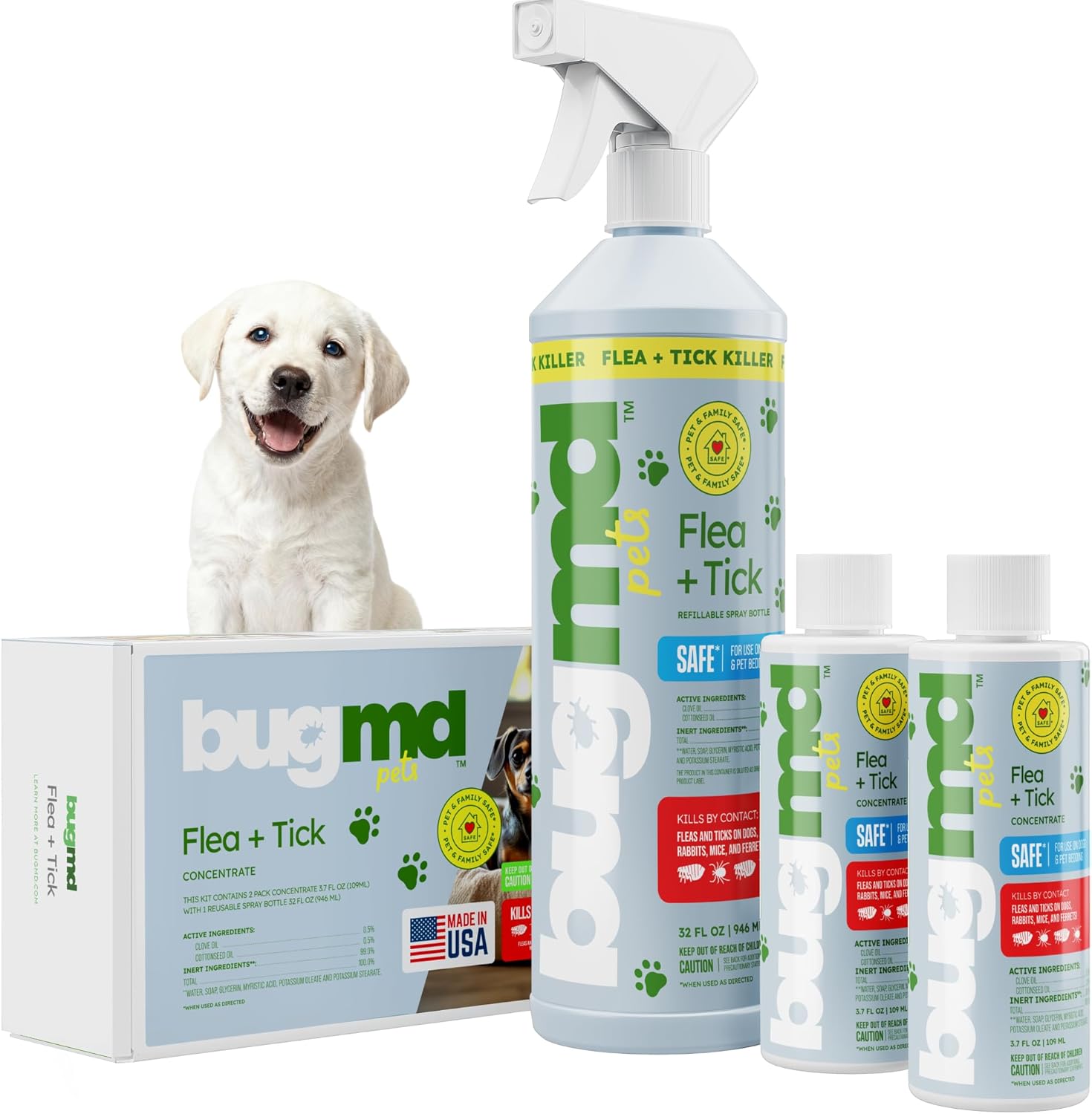
🐕 Expert & Pet Parent Note: “Expert & Pet Parent Approved” reflects that BugMD’s essential-oil formula (clove + cottonseed) is informed by veterinary guidance on plant-based pest control AND has received positive feedback from real pet owners. Important Safety: Essential oil products (including BugMD) should never be used directly on cats. Always follow label directions, test on a small area first, and consult your veterinarian before use on puppies, pregnant/nursing dogs, or pets with seizure disorders. Individual results may vary.
📍 This is an affiliate link. We only recommend products we genuinely trust as both veterinary-informed and pet-parent approved for flea and tick management. Amazon Associates Program Participant.
Here are the most effective types of shampoo for managing odor and the underlying issues:
Key Usage Tip: For medicated shampoos to be effective, you must leave the lather on your dog’s skin for 5 to 10 minutes before rinsing. This contact time allows the active ingredients to work .
🤔 Why Does My Dog Smell Bad and Itch?
If your dog smells bad and is itching, the most likely culprit is a yeast infection caused by an overgrowth of Malassezia . This yeast naturally lives on dog skin, but when conditions change (like increased skin oils from allergies), it multiplies rapidly.
Key signs of a yeast infection:
- The Smell: A distinct, strong “musty,” “corn chip,” or cheesy odor.
- The Itch: Extreme, relentless itching.
- The Skin: Look for redness, greasiness, flaky dandruff, and thickened skin that may look like “elephant skin.” Chronic licking can also turn the fur on paws a brownish-red color .
🦟 What is the Best Thing to Bathe Your Dog in to Get Rid of Fleas?
To get rid of fleas, you need a flea and tick shampoo containing specific insecticides.
For rapid, effective flea elimination, the most potent over-the-counter option contains permethrin. This ingredient is very effective but must be used with caution.
- Top Recommendation: Look for a shampoo with Permethrin (0.1%) combined with Piperonyl butoxide and Pyriproxyfen. This combination kills adult fleas and ticks and stops their eggs from hatching for up to 30 days .
⚠️ CRITICAL SAFETY WARNING:
- DO NOT USE ON CATS. Permethrin is highly toxic to cats and can be fatal.
- DO NOT USE on puppies under 12 weeks of age .
- DO NOT USE on sick, aged, or pregnant dogs without first consulting your veterinarian .
- ALWAYS wear rubber gloves to apply the shampoo to protect your own skin .
A Natural Alternative: If you prefer a naturally derived option, look for shampoos with a potent blend of essential oils (like lemongrass, cedarwood, clove, and sesame oil). These are safer for households with cats (as long as the cat doesn’t lick the dog when wet), and they work by repelling and killing pests on contact .
🩹 What Helps Dogs with Itchy Skin from Fleas?
For a flea allergy, a single flea bite can cause days of intense itching. Here’s how to help:
1. Immediate Relief During the Bath:
- Cool Water: Bathe with cool (not hot) water to soothe inflamed skin.
- Oatmeal or Pramoxine: Look for a shampoo with colloidal oatmeal or pramoxine hydrochloride, which are included to specifically stop itching .
2. Treat the Entire Environment:
Bathing your dog is only half the battle. Fleas live in your home. You must simultaneously:
- Wash all pet bedding in hot water.
- Vacuum carpets, rugs, and furniture thoroughly and frequently.
- Use a home flea spray or call an exterminator for severe infestations .
3. Veterinary Medications for Severe Itching:
If your dog is still miserable after the bath, see your vet. They can prescribe medications to break the itch-scratch cycle. These include:
- Oclacitinib (Apoquel®): A fast-acting pill that can start relieving itch within 1.5 hours .
- Lokivetmab (Cytopoint®): An injection given by your vet that provides relief from itching for about 4 weeks .
- Corticosteroids (e.g., prednisone): Used for short-term, rapid relief of severe inflammation .
Dealing with a smelly dog is a common challenge, but the good news is that with the right approach, you can keep your furry friend fresh and clean. Below are answers to your questions based on expert advice from veterinarians and professional groomers.
🧼 What Can I Wash My Smelly Dog With?
The best shampoo for a smelly dog depends on the underlying cause of the odor. Here are the most effective options recommended by professionals:
Top Professional Shampoos for Odor Control
Key Ingredients to Look For
When choosing a shampoo for a smelly dog, veterinarian Dr. Kari Murdoch recommends looking for products that use natural ingredients like oatmeal and aloe vera to help moisturize your dog’s fur and soothe their skin .
Effective odor-fighting ingredients include:
- Baking soda – A natural odor absorber that neutralizes smells
- Essential oils (eucalyptus, cedarwood, tea tree, citrus) – Provide deodorizing and antibacterial properties
- Oatmeal – Soothes skin while cleaning
- Triclosan – Eliminates odor-causing bacteria
- Ordenone – Encapsulates and eliminates foul odors
Important Warnings
⚠️ Never use human shampoo on your dog – It can be too harsh and strip away the natural oils that keep their skin and coat healthy
⚠️ Avoid artificial fragrances – They can irritate sensitive skin and interfere with a dog’s natural scent communication
⚠️ Test a small area first – Especially when using essential oil products or baking soda, as some dogs may have sensitivities
🛑 How Do I Stop My Dog from Smelling So Bad?
To stop your dog from smelling bad, you need to address the source of the odor, not just mask it. Persistent odor in dogs may come from the skin, ears, mouth, or anal glands. Bathing your dog without addressing the source will only provide temporary relief .
1. Establish a Regular Grooming Routine
2. Common Causes of Dog Odor
Understanding the source is crucial:
3. Professional Help
“Regular grooming, dental care and routine veterinary checkups are essential in maintaining a dog’s overall well-being and minimizing odors,” says Dr. Murdoch. You can also schedule appointments with a professional dog groomer who can bathe your pup, trim their fur, clip their nails, and express anal sacs if needed .
✨ How to Get Stinky Smell Out of Dog Fur (Without a Bath)
Sometimes a full bath isn’t practical or desirable. Here are effective ways to freshen your dog between baths :
Quick Fixes (No Bath Required)
The Brushing Solution
Regular brushing is your first line of defense! It not only removes loose fur, dirt, and debris that trap odors but also distributes your dog’s natural oils, promoting a healthier, less smelly coat. Aim for daily brushing, especially for long-haired breeds .
Homemade Deodorizing Spray Recipe
You can make a natural dog deodorizer spray using:
- Glycerin
- Fractionated coconut oil
- Lavender essential oil (calming properties) and sweet orange oil (cleansing properties)
Note: Always consult your veterinarian before using essential oils on your dog, as many are toxic if used improperly .
💈 What Shampoo Do Groomers Use That Smells So Good?
Professional groomers use high-quality, professional-grade shampoos that are formulated to provide long-lasting fragrance while being gentle on skin and coat.
Professional Groomer Favorites
What Makes These Shampoos Different?
Professional shampoos typically feature:
- High-quality essential oils – Natural deodorizers that smell divine without synthetic harshness
- Long-lasting fragrance technology – Some formulas keep dogs smelling fresh for up to two weeks
- pH-balanced formulas – Safe for frequent use without stripping natural oils
- No harsh chemicals – Free from alcohol, parabens, soaps, SLS, and artificial dyes
- Added coat conditioners – Ingredients like argan oil, wheat protein, and aloe vera leave coats glossy and soft
Why Groomer Shampoos Smell Better
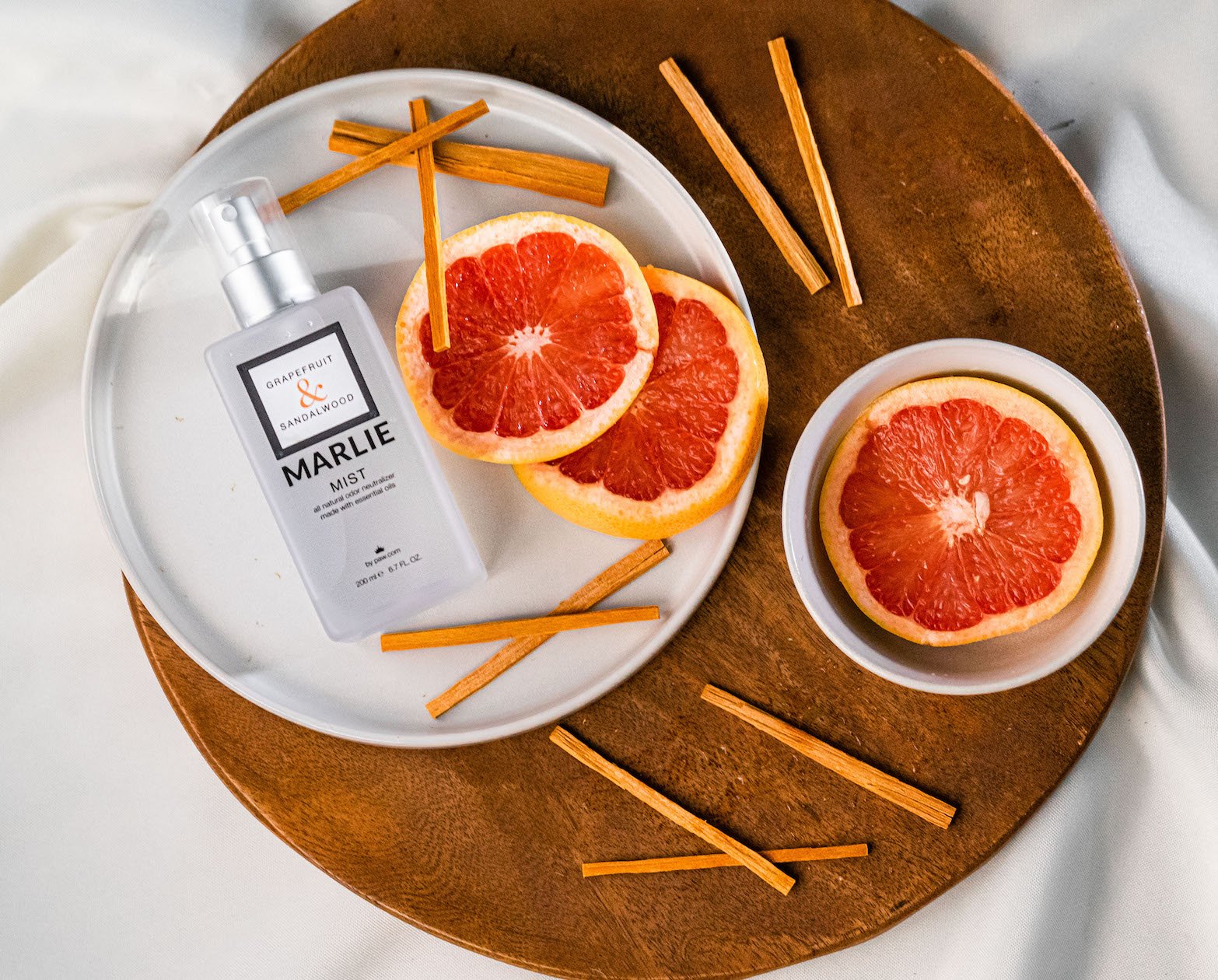
Groomers often layer scents by using a conditioning shampoo followed by a body mist for a long-lasting fresh fragrance . They also ensure complete rinsing (shampoo residue can actually trap odors!) and proper drying, which activates and locks in fragrances.
📋 Quick Summary Table
| Your Question | The Short Answer |
|---|---|
| What to wash smelly dog with? | Professional shampoos with baking soda, essential oils, or oatmeal (e.g., Fresh ‘n Clean, HOWND, Wahl) |
| How to stop dog smelling bad? | Regular brushing, bathing, ear cleaning, dental care; address underlying medical causes |
| How to remove stink from fur without bath? | Baking soda dry bath, waterless shampoo, grooming wipes, apple cider vinegar rinse |
| What shampoo do groomers use? | Professional brands like HOWND Yup You Stink, Fresh ‘n Clean, and Wahl with long-lasting essential oil scents |
🩺 When to See the Vet
If your dog’s odor persists despite regular grooming, or if it’s accompanied by symptoms like itching, redness, discharge, or changes in behavior, consult your veterinarian. Persistent odor can indicate:
💡 The Most Important Step
No matter which shampoo you choose, the most critical thing is to identify and treat the underlying cause. Yeast and bacterial infections almost always happen because of a primary problem like flea allergy dermatitis, food allergies, or environmental allergies .
- See your vet for a definitive diagnosis. They can run a simple skin test to confirm if it’s yeast or bacteria.
- Use monthly flea preventatives year-round, even for indoor dogs, to prevent flea allergy flare-ups .
- Keep medicated shampoos on hand as a maintenance therapy to manage flare-ups, but work with your vet to solve the long-term problem.
If your dog’s smell and itching are new or getting worse, a trip to the veterinarian is the best first step to get them (and your nose) some relief
Disclaimer: This information is for educational purposes and does not constitute professional veterinary medical advice. Always consult a licensed veterinarian for specific concerns about your dog’s health.






Leave a Reply