


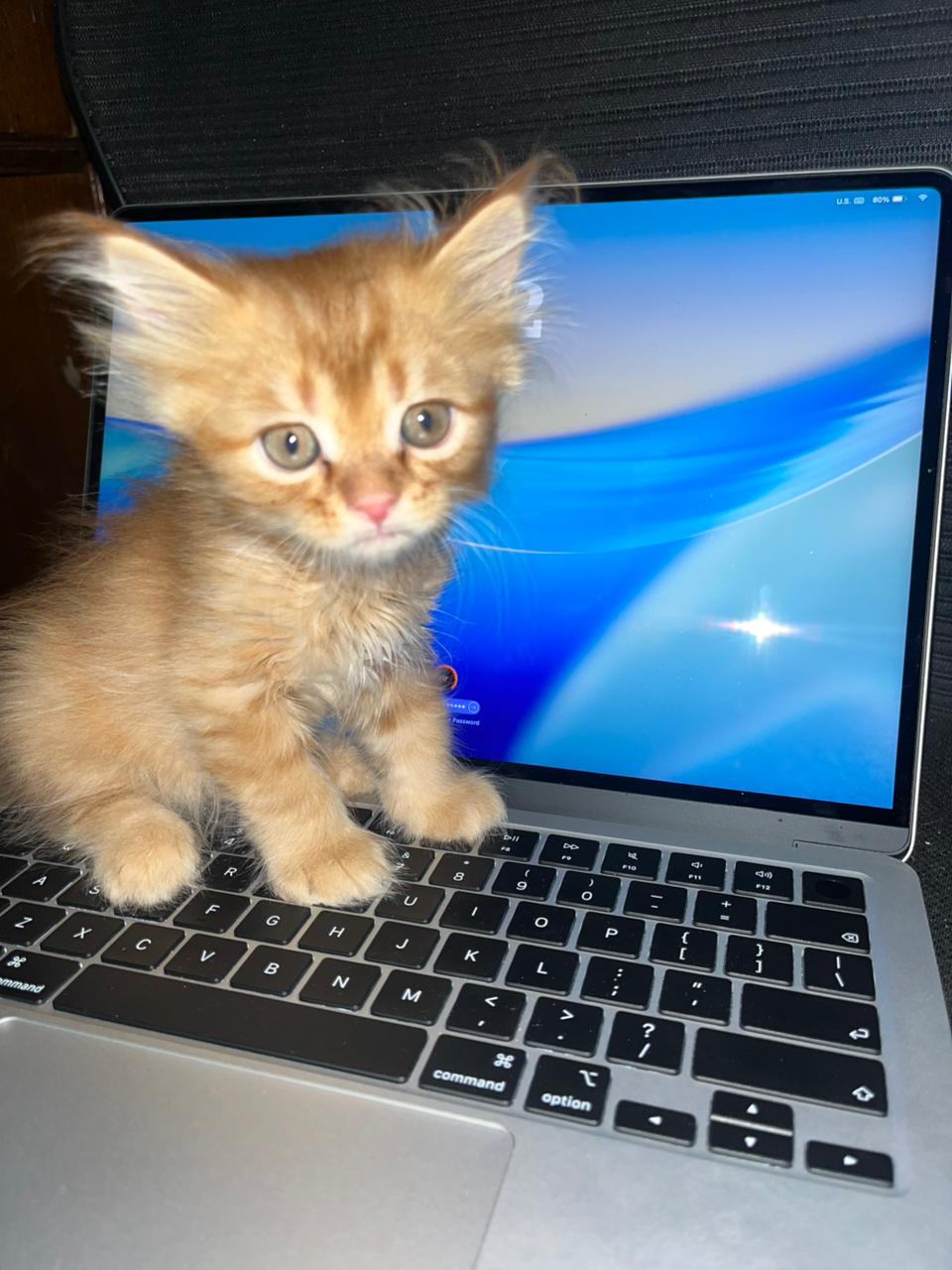
For decades, the Persian cat has reigned as one of the most beloved breeds worldwide. With their doll-like faces, luxurious coats, and placid demeanors, they are the epitome of feline elegance. However, beneath that flat, smooshed face lies a serious health threat that many owners overlook until it is too late. Veterinarians and breeders are currently sounding the alarm about what is now being recognized as a Dental Disease Crisis in Persian Cats.
While all cats are susceptible to periodontal issues, Persians are genetically predisposed to severe dental problems that can lead to chronic pain, organ failure, and a dramatically reduced lifespan.
Why Persians? The Brachycephalic Factor
The root cause of this crisis is the breed’s conformation. Persians are brachycephalic (flat-faced). Due to selective breeding for an extremely short muzzle and lower jaw (mandibular prognathism), the teeth of a Persian are often cramped, rotated, or misaligned.
In a normal cat, the teeth fit neatly like puzzle pieces. In a Persian, the upper jaw is wide, but the lower jaw is narrow and short. This creates painful occlusion issues where teeth rub against the gums or the roof of the mouth. Consequently, food debris becomes trapped easily, accelerating the buildup of plaque and tartar at an alarming rate.
The Stages of the Crisis
The Dental Disease Crisis in Persian Cats typically follows a predictable, degenerative path:
Stage 1: Juvenile Gingivitis
Owners of kittens as young as six months old notice bright red inflammation along the gum line. Because Persians are stoic animals (a trait inherited from their ancestors who needed to hide pain from predators), they rarely show obvious discomfort.
Stage 2: Periodontal Disease
By age two or three, untreated gingivitis progresses. The misalignment allows pockets to form between the teeth and gums, trapping bacteria. The breath becomes foul (halitosis), and the cat may begin “chattering” while eating.
Stage 3: Tooth Resorption & Loss
This is the most painful stage. The body begins to break down the hard structure of the tooth itself. Nerve endings become exposed. At this point, the cat may droop saliva, drop food from the mouth, or develop a “reluctance to chew,” preferring to swallow food whole.
Stage 4: Systemic Infection
The crisis is not limited to the mouth. The massive bacterial load from the gums enters the bloodstream, seeding the kidneys, liver, and heart muscle. In Persians, which are already prone to Polycystic Kidney Disease (PKD), dental infections are often the final blow that pushes them into renal failure.
The Hidden Signs Owners Miss
Because cats hide pain exceptionally well, owners often dismiss the early warning signs. You are likely facing a dental crisis if your Persian:
- Drops kibble while eating (they are trying to avoid chewing on painful molars).
- Only uses one side of the mouth to chew.
- Has a “sour” or metallic smell to the breath (not “normal cat breath”).
- Develops excessive tearing or snorting; severe tooth root abscesses can drain into the sinuses.
- Becomes reclusive or stops grooming (grooming is painful when the mouth hurts).
Solving the Crisis: A Two-Pronged Approach
To end the Dental Disease Crisis in Persian Cats, owners must move away from the outdated “dry food cleans teeth” myth (it doesn’t) and adopt aggressive preventative care.
1. The Veterinary Protocol
- Radiographs are non-negotiable: 60% of the tooth is below the gum line. Visual exams alone will miss the crisis.
- Annual COHATs: Comprehensive Oral Health Assessment and Treatment under anesthesia should begin at age 1, not age 5.
- Extraction over retention: Unlike humans, cats do not need root canals on rotten teeth. Removing problematic teeth (especially lower canines that dig into the upper palate) immediately resolves pain.
2. The Home Care Regimen
- Daily brushing: Persians require tooth brushing with enzymatic pet toothpaste. Start slow, using cotton swabs before progressing to a feline toothbrush.
- Chlorhexidine rinses: For cats that refuse brushing, veterinary gels or oral rinses can reduce bacterial load.
- Diet modification: If your Persian has stage 3 disease, stop kibble. Switch to soft, high-moisture pate or raw/textured ground diets that do not require grinding.
The Prognosis
The good news is that this crisis is manageable. Once a Persian undergoes a full-mouth dental evaluation and necessary extractions, the transformation is remarkable. Owners frequently report that their “lazy” cat suddenly becomes playful, or their “picky eater” finishes every meal.
If you own a Persian, do not wait for the tell-tale drool or pawing at the mouth. By the time those signs appear, your cat has been in significant pain for months or years. Schedule a veterinary dental exam today. Addressing the Dental Disease Crisis in Persian Cats is not just about saving teeth—it is about giving your flat-faced friend a life free of chronic, silent agony.
Disclaimer: This article is for informational purposes only and does not constitute veterinary medical advice. Always consult a qualified veterinarian, preferably one specializing in feline dentistry, for diagnosis and treatment.






Leave a Reply