


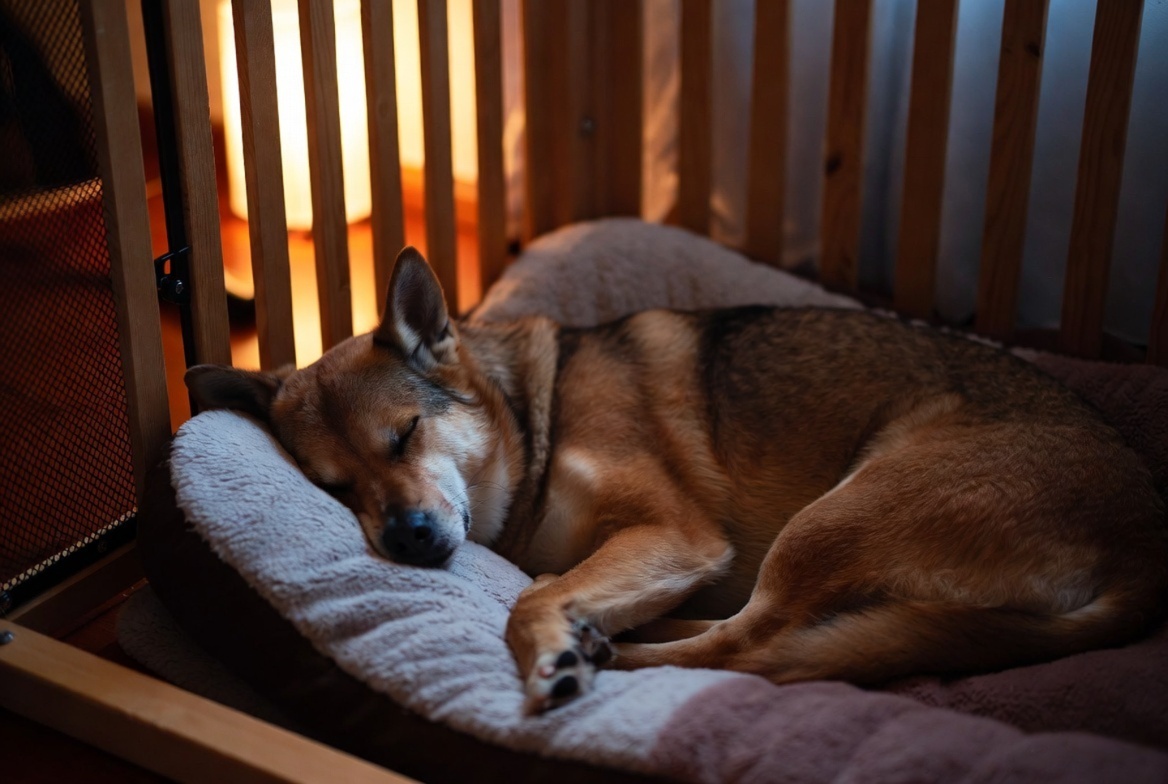
In 2026, we know more about canine mental health than ever before. Gone are the days when a trembling dog was dismissed as simply “nervous” or a destructive cheater labeled “bad.” Today, veterinary science recognizes anxiety as a medical condition—one that affects an estimated 72% of dogs in some form, according to recent veterinary behavioral studies.
⭐ Vet Expert Recommended ⭐
🐕 Veterinary Note: “Vet Expert Recommends” indicates that this product’s formulation aligns with current veterinary guidelines for canine anxiety support. Always consult your own veterinarian before starting any new supplement or calming aid, especially if your dog has pre-existing medical conditions, is pregnant/nursing, or is taking other medications. Individual results may vary.
📍 This is an affiliate link. We only recommend products we genuinely trust. Amazon Associates Program Participant.
Whether your dog paces during thunderstorms, panics when you grab your car keys, or hides from visitors, the good news is that 2026 offers an unprecedented range of solutions. From AI-powered behavior trackers to next-generation nutraceuticals, this guide will walk you through what veterinarians are doing differently now, how to recognize anxiety in a world of remote work transitions, and the most effective evidence-based strategies to help your dog feel safe, secure, and happy.
What Can Vets Do for Dog Anxiety in 2026?
Veterinary medicine has evolved significantly. Today’s approach is less about “sedating” the anxious dog and more about precision behavioral medicine—tailoring treatments to the individual dog’s genetics, environment, and specific triggers.

The 2026 Veterinary Anxiety Workup
The first thing a veterinarian does in 2026 is rule out physical causes using rapid, in-house diagnostic tools. Pain is still the number one mimic of anxiety. New portable ultrasound devices and saliva-based biomarker tests can now detect chronic pain, thyroid dysfunction, and gut inflammation in under 15 minutes—conditions that were easily mistaken for behavioral anxiety just a few years ago.
Once medical causes are excluded, your vet will conduct a digital behavioral intake using standardized questionnaires that have been validated on thousands of dogs. Many clinics now use AI-assisted behavior analysis tools that compare your dog’s reported symptoms against a database of 500,000+ canine cases to suggest the most likely anxiety subtype: separation-related disorder, noise aversion, generalized anxiety, or social fear.
Prescription Medications in 2026: What’s New
The pharmaceutical landscape for canine anxiety has expanded dramatically. While older medications like fluoxetine (Prozac) and clomipramine remain useful, 2026 has introduced several new options:
- Gepirone ER (Anxicalm™): A novel azapirone approved specifically for generalized anxiety disorder in dogs. Unlike benzodiazepines, it has no sedative effect and no known dependency risk. Onset is 7–10 days.
- Dexmedetomidine Oromucosal Gel (Sileo® 2.0): An updated formulation of the noise aversion medication, now available in a longer-acting (6–8 hour) version for extended stressful events like New Year’s Eve fireworks or multi-day thunderstorms.
- Cannabidiol (CBD) Veterinary Formulas: In 2026, three CBD products have received conditional FDA approval for canine anxiety. These are pharmaceutical-grade, dose-standardized, and contain no THC. Your veterinarian can now prescribe CBD with confidence in legality and efficacy.
- Gabapentin + Melatonin Combination Capsules: A popular 2026 custom-compounded option for situational anxiety, especially before vet visits or travel.
Veterinary behaviorists now emphasize “start low, go slow, but start sooner.” The old reluctance to medicate anxious dogs has largely disappeared, replaced by evidence showing that early pharmacological intervention prevents the brain from “hardwiring” fear responses.
Telehealth and Virtual Behavior Consults
In 2026, access to veterinary behaviorists has exploded through telemedicine platforms. You can now video-chat with a board-certified behaviorist from anywhere, submit video clips of your dog’s anxious episodes, and receive a treatment plan within 48 hours—often at half the cost of an in-person specialty visit.
What Is the 3-3-3 Rule for Dog Anxiety in 2026?
The 3-3-3 rule remains a foundational guideline for rescue and newly adopted dogs, but in 2026, it has been refined and expanded based on recent research into canine neuroplasticity and stress recovery.
The Original Framework (Still Relevant)
| Timeframe | What to Expect |
|---|---|
| First 3 Days | Decompression phase. Dog may hide, refuse food, tremble, or shut down. Do not force interaction. Provide a quiet “safe zone.” |
| First 3 Weeks | Learning routines. Dog begins to test boundaries. Mild separation anxiety or destructive chewing may appear. Establish consistent schedules. |
| First 3 Months | True personality emerges. Trust is built. If anxiety persists beyond 3 months, professional intervention is recommended. |
The 2026 Update: The 3-3-3-3 Rule
Modern veterinary behaviorists have added a fourth “3” to account for the reality that some dogs—especially those from traumatic backgrounds—need longer than three months to settle.
- 3 Days – Decompression
- 3 Weeks – Routine establishment
- 3 Months – Trust and personality emergence
- 3 Seasons (9 months) – Full emotional regulation for traumatized dogs
Research published in the Journal of Veterinary Behavior (2024) found that dogs with severe prior neglect or abuse often show continuing improvement even at 6–9 months post-adoption, with significant drops in cortisol levels measured at the 9-month mark. The updated advice: do not panic if your rescue dog is still anxious at 3 months. Give them up to 9 months before concluding that medication is necessary.
⚠️ 2026 Caveat: If your dog shows no improvement after 3 months of consistent routine and enrichment, or if their anxiety worsens, consult your veterinarian immediately. Do not wait 9 months for severe cases.
Does My Dog Have Anxiety? 2026 Symptom Checklist
Anxiety in dogs looks different in 2026 because we now understand that subtle signs matter just as much as dramatic ones. You don’t need a dog who destroys doors to have a clinically anxious pet.
Primary Signs of Canine Anxiety (2026 Edition)
Body Language (Visible to the trained eye):

- Tucked tail or low tail carriage (not just between legs)
- Ears pinned back or asymmetrically positioned
- “Whale eye” – showing the white crescent of the eye
- Lip licking when no food is present
- Yawning when not tired (a displacement behavior)
- Trembling or shaking that stops when the trigger is removed
- Panting without physical exertion or heat exposure
Behavioral Signs (Observed over time):
- Pacing or inability to settle in one spot
- Hiding under furniture, behind toilets, or in closets
- Excessive barking, whining, or howling (especially when alone)
- Destructive behavior focused on exit points (doors, windows)
- Spontaneous urination or defecation in a house-trained dog
- Loss of appetite or reluctance to take high-value treats
- Excessive licking (paws, flanks, furniture) leading to bald spots or sores
- Following you from room to room (velcro dog behavior)
The 2026 “Hidden Anxiety” Signs (Often Missed):
- Hypervigilance – constantly scanning the environment
- Startle reflex – overreacting to sudden sounds or movements
- Difficulty settling even after long walks
- Over-greeting visitors with frantic jumping (often mistaken for excitement)
- Refusing to eat unless you are present
Types of Dog Anxiety Recognized in 2026
Veterinary behaviorists now classify anxiety into more specific categories than before:
| Type | 2026 Definition |
|---|---|
| Separation Anxiety Disorder | Distress specifically triggered by absence of attachment figure; not just boredom |
| Noise Aversion Syndrome | Fear of specific sounds; can include thunderstorms, fireworks, vacuum cleaners, smoke alarms, construction noise |
| Confinement Anxiety | Fear of being crated or enclosed; often confused with separation anxiety |
| Social Anxiety | Fear of unfamiliar humans, other dogs, or both |
| Generalized Anxiety Disorder (GAD) | Persistent, low-grade anxiety not tied to specific triggers; dog seems “always on edge” |
| Situational Phobia | Intense fear of vet clinics, car rides, grooming salons, or specific locations |
| Post-Traumatic Stress Disorder (PTSD) | Recognized in dogs with documented trauma history (abuse, neglect, natural disasters, shelter trauma) |
When to See a Veterinarian in 2026

Schedule a veterinary visit if:
- Your dog shows two or more of the primary signs listed above
- The signs occur most days of the week
- Your dog cannot be calmed by you or distracted by treats
- The anxiety interferes with quality of life (refusing walks, not eating, self-injury)
- You have tried natural calming methods for 4 weeks with no improvement
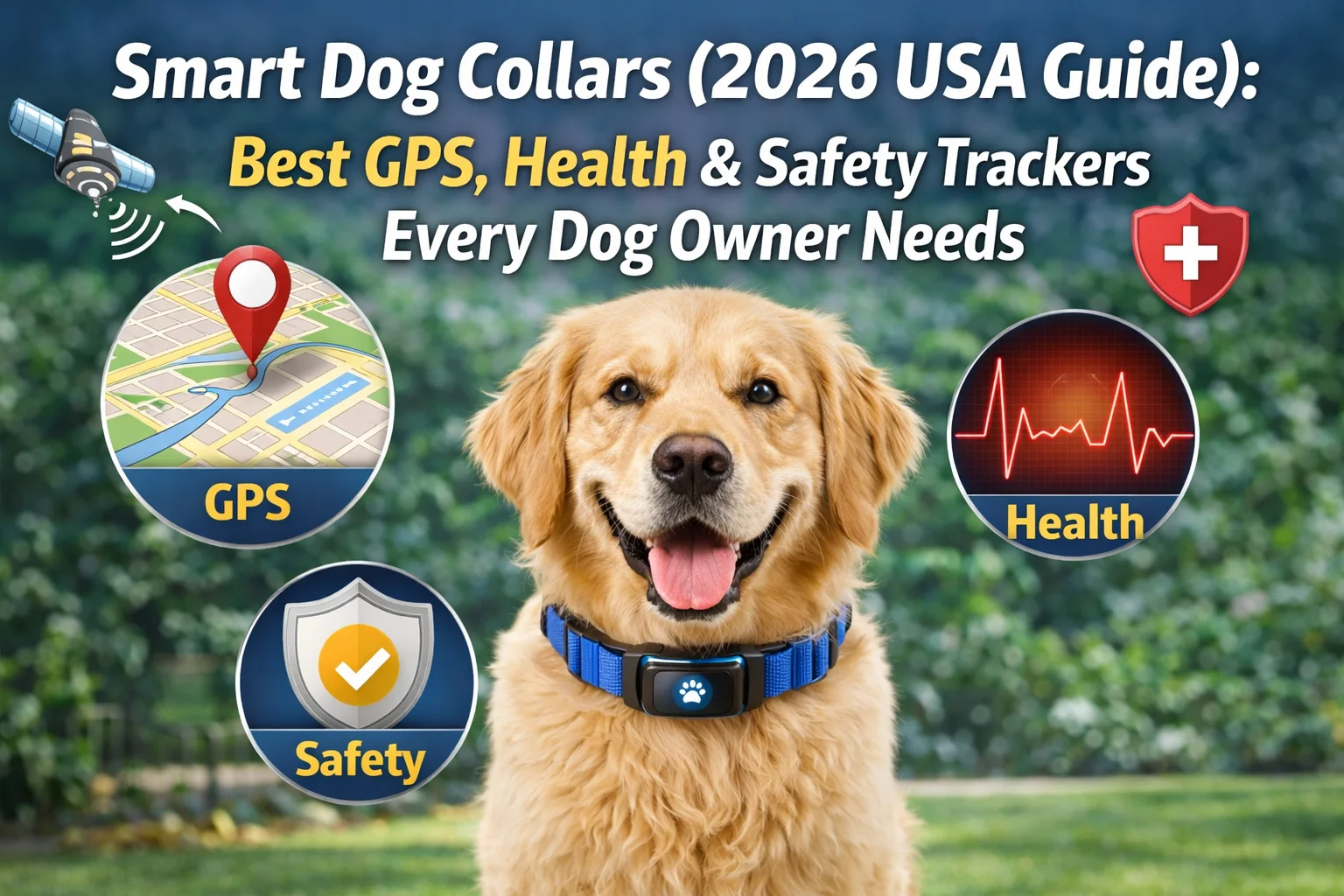
📱 2026 Tip: Use a pet activity tracker (like Fi, Tractive, or Whistle) to monitor your dog’s sleep, heart rate, and activity patterns. Many anxious dogs show elevated resting heart rates and fragmented sleep long before visible behavioral signs appear. Share this data with your veterinarian.
How Do I Make My Dog’s Anxiety Go Away in 2026?
The honest answer: for most dogs, anxiety doesn’t completely “go away” like a cold. But with 2026’s tools, significant improvement—often to the point of being unnoticeable—is achievable in over 85% of cases. The goal is management, not elimination. Here is the modern, multi-layered approach.
First-Line Strategies (Try These First)
1. Enhanced Physical Exercise (Smart, Not Just Long)
In 2026, we know that aimless walking is less effective than structured, engaging exercise. Try:
- Decompression walks on a long line in nature (allows sniffing, which lowers cortisol)
- Flirt pole sessions (taps into prey drive for anxious, high-energy dogs)
- Swimming (low-impact, naturally calming for many anxious dogs)
- Dog treadmill training for high-energy breeds on rainy days
Aim for 45–60 minutes of combined physical and mental activity daily.
2. Mental Enrichment (The 2026 Upgrade)
Boredom is a major anxiety amplifier. Move beyond basic puzzle toys:
- Snuffle mats with hidden kibble (activates foraging instincts)
- Lick mats smeared with plain yogurt, peanut butter (xylitol-free), or pumpkin puree (licking releases calming endorphins)
- Treat-dispensing cameras (like Furbo 360) that let you watch and reward your dog remotely
- Scent work games – hide treats around the house and say “find it”
- DIY cardboard box destruction (supervised) – allows safe outlet for destructive urges
3. Environmental Management (Set Up for Success)
- Create a safe zone – a crate (only if your dog likes it), a bed in a quiet closet, or a covered playpen
- Play canine-specific calming music (playlists from “Through a Dog’s Ear” or “iCalmDog”)
- Use a white noise machine or fan to mask triggering outdoor sounds
- Install window film to block visual triggers (passing dogs, people, mail carriers)
- Try pressure wraps (Thundershirt or Anxiety Wrap) – effective for situational anxiety in about 60% of dogs
4. Natural Supplements (Evidence-Based Options in 2026)
| Supplement | Evidence Level | Best For |
|---|---|---|
| L-Theanine | Strong | Noise phobia, mild generalized anxiety |
| Alpha-casozepine (Zylkene) | Strong | Situational anxiety, travel, vet visits |
| Pharmaceutical-grade CBD | Moderate to Strong (2026) | Generalized anxiety, pain-related anxiety |
| Magnesium + L-Tryptophan | Moderate | Evening anxiety, sleep disruption |
| Phellodendron + Magnolia (Relaxivet) | Moderate | Chronic stress, elevated cortisol |
Always consult your veterinarian before starting supplements, as some can interact with medications.
Second-Line Strategies (When Natural Isn’t Enough)
If 4–6 weeks of consistent natural management does not produce meaningful improvement, it is time to involve your veterinarian for prescription options.
Prescription Medications (2026 Options):
- For situational anxiety (thunder, fireworks, vet, travel): Dexmedetomidine (Sileo® 2.0), gabapentin, trazodone, or alprazolam
- For daily / chronic anxiety (separation, GAD): Fluoxetine (Prozac), clomipramine, sertraline, or gepirone ER (Anxicalm™)
- For complex cases: Veterinary behaviorists may combine two medications (e.g., fluoxetine + gabapentin) or use novel compounds
💊 2026 Reality Check: Medication is not a “last resort.” It is a tool. Many dogs need medication to lower their baseline anxiety enough that behavior modification can actually work. Think of it like a cast for a broken bone—it creates the conditions for healing.
The 2026 Training Revolution: Fear-Free & Force-Free
Punishment-based training is now widely recognized as increasing anxiety. The gold standard in 2026 is positive reinforcement combined with systematic desensitization and counterconditioning (DS/CC) .
- Desensitization: Exposing your dog to their trigger at a very low intensity (e.g., playing thunder sounds at volume 1) where they remain calm
- Counterconditioning: Pairing the trigger with something amazing (chicken, cheese, play)
- Professional help: Certified trainers (CPDT-KA, KPA-CTP) and veterinary behaviorists (DACVB) are widely available via telehealth
2026 Tech Tools for Training:
- Soundproof Puppy App – custom desensitization playlists for noise phobias
- Dog camera with treat tossing – practice separation anxiety protocols remotely
- Wearable heart rate monitors – track exactly when your dog’s stress rises during training
The Gut-Brain Axis: A 2026 Breakthrough
Get 5% off on Brain & Memory Support Supplements! Use promo code: PC2023 at checkoutEmerging research confirms that gut health profoundly affects anxiety in dogs. Probiotics, prebiotics, and diet modifications are now standard components of anxiety treatment plans.
- Probiotic strains with evidence for canine anxiety: Bifidobacterium longum, Lactobacillus rhamnosus
- Diets to consider: Novel protein diets (if food sensitivity is suspected), fresh whole-food diets, or veterinary prescription calming diets (e.g., Purina Pro Plan Veterinary Diets Calming Care)
- Foods to avoid: High-carbohydrate, high-preservative diets; artificial colors and flavors
When Nothing Works: The 2026 Safety Net
For the small percentage of dogs with severe, treatment-resistant anxiety, veterinary specialists now offer:
- Intensive inpatient behavior modification programs (2–4 week stays)
- Telemedicine behavior support groups for owners of anxious dogs
- Rehoming as a kindness – in rare cases where a dog’s anxiety cannot be managed in their current environment, ethical rehoming to a quieter, more suitable home is advocated, not shamed
The Bottom Line for 2026
Your anxious dog is not giving you a hard time—they are having a hard time. In 2026, we have the knowledge, the tools, and the compassion to help. Start with your veterinarian. Be patient with the process. Celebrate small wins. And remember: a dog who learns to feel safe in your care is one of the greatest gifts you will ever give—and receive.
Summary Table: Anxiety Management in 2026 at a Glance
| Question | 2026 Answer |
|---|---|
| What can vets do? | Precision diagnostics, novel medications (gepirone ER, approved CBD), telehealth behavior consults |
| What is the 3-3-3 rule? | Updated to 3-3-3-3 (days, weeks, months, seasons) for traumatized dogs |
| Does my dog have anxiety? | Look for subtle signs: lip licking, yawning, hypervigilance, refusal to eat alone |
| How do I make it go away? | Multi-layer approach: exercise + enrichment + environment + supplements + medication + training + gut health |
Disclaimer: This article is for informational purposes only and does not constitute veterinary medical advice. Always consult a licensed veterinarian for diagnosis and treatment of your specific dog’s condition.











Leave a Reply