



Bully breeds are powerful, but their immune systems can be fragile. Find out how to pick a protein-rich diet that builds muscle, not inflammation.
vet-approved tipsIf you’re the proud parent of a Bully breed—whether it’s an American Bully, English Bulldog, French Bulldog, or Bull Terrier—you already know these dogs are muscular, energetic, and absolutely full of personality. But you also know the struggle: skin issues, chronic itching, ear infections, and digestive upset are all too common in these beloved breeds.
The culprit? Often, it’s food allergies hiding in plain sight. Bully breeds are notoriously prone to food sensitivities, with beef, chicken, dairy, and grains ranking among the top offenders. Yet, these dogs also require high-quality protein to maintain their impressive muscle mass and energy levels. So, how do you strike the balance?
Choosing the right high-protein formula for bully dogs with food allergies is the key to unlocking their full health potential—without the itch, the rash, or the digestive distress.
Why Bully Breeds Need High-Protein Diets
Before we dive into allergen management, let’s talk about why protein matters so much for Bully breeds:
- Muscle maintenance: Bullies are naturally muscular. Protein provides the essential amino acids needed to preserve and build lean muscle mass.
- Energy: These dogs are active and require sustained energy. Protein is a cleaner, more stable energy source than carbohydrates.
- Skin and coat health: Many protein sources are rich in omega fatty acids, which support skin health—a critical factor for allergy-prone dogs.
- Satiety: High-protein diets keep your dog feeling full, reducing begging and overeating.
However, not all proteins are created equal—and for allergic dogs, the wrong protein can do more harm than good.
Common Food Allergens in Bully Breeds
Bully breeds have sensitive immune systems that can overreact to certain ingredients. The most frequent culprits include:
| Allergen | Why It’s Problematic |
|---|---|
| Chicken | One of the most common protein allergens in dogs |
| Beef | Another top-tier allergen, often overused in commercial foods |
| Dairy | Lactose intolerance and casein allergies are common |
| Wheat & Corn | Cheap fillers that trigger skin and digestive issues |
| Soy | Often genetically modified and highly allergenic |
| Eggs | Can cause reactions in sensitive dogs |
What to Look for in a High-Protein Formula for Allergic Bullies
When choosing the right high-protein formula for bully dogs with food allergies, keep these criteria front and center:
1. Novel Protein Sources
A “novel” protein is one your dog has never (or rarely) eaten. Because allergies develop over time through repeated exposure, switching to a novel protein can bypass the immune response.
- 🐟 Salmon – Rich in omega-3s, anti-inflammatory
- 🦆 Duck – Highly digestible, low allergy risk
- 🐏 Lamb – Gentle on the stomach, nutrient-dense
- 🦌 Venison – Lean, exotic, and hypoallergenic
- 🐇 Rabbit – Ultra-lean, ideal for sensitive systems
- 🐗 Boar – Novel and packed with flavor
2. Limited Ingredient Formula (LIF)
The fewer ingredients, the fewer chances for an allergic trigger. Look for foods with a single animal protein, a single carbohydrate source (like sweet potato or peas), and no artificial colors, flavors, or preservatives.
3. Grain-Free or Ancient Grains?
While grain-free diets were once the gold standard for allergies, recent research has linked them to heart issues (DCM) in some breeds. The safer route today is grain-inclusive with ancient grains like oats, quinoa, millet, or sorghum—less allergenic than wheat and corn.
4. High Protein, Moderate Fat
Aim for crude protein: 28%–36% and crude fat: 14%–20%. This ratio supports muscle while preventing obesity.
5. Added Functional Ingredients
- Omega-3 and Omega-6 (from fish oil or flaxseed) to soothe skin
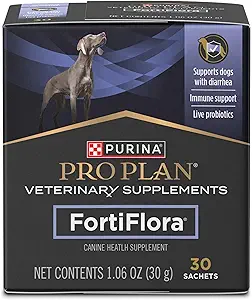
- Probiotics and prebiotics for gut health
- Glucosamine and chondroitin for joint support (crucial for heavy-bodied Bullies)
- Antioxidants (blueberries, spinach, kale) to reduce inflammation
Top High-Protein Formulas for Allergic Bully Dogs (2026)
| Brand | Protein Source | Protein % | Key Feature |
|---|---|---|---|
| Natural Balance L.I.D. Salmon & Sweet Potato | Salmon | 26% | Limited ingredients, grain-free |
| Zignature Kangaroo | Kangaroo | 31% | Novel protein, hypoallergenic |
| Merrick Backcountry Raw Infused | Duck or Salmon | 38% | Freeze-dried raw pieces, grain-inclusive |
| Acadia Ancestral Diet | Lamb & Millet | 32% | Ancient grains, no chicken or beef |
| Hill’s Prescription Diet d/d | Venison & Potato | 24% | Veterinary formula for food allergies |
| Royal Canin Veterinary Hydrolyzed | Hydrolyzed soy | 22% | Extensively hydrolyzed for severe allergies |
| Open Farm Salmon & Ancient Grains | Salmon | 30% | Transparent sourcing, ethical |
| Wellness Core Digestive Health | Turkey & Oats | 34% | Probiotic-enhanced, gentle on stomach |
Pro Tip: Always transition to a new food gradually over 7–10 days to avoid digestive upset.
Hydrolyzed Proteins: The Gold Standard for Severe Allergies
For dogs with extreme food sensitivities, hydrolyzed protein diets are often the answer. In these formulas, proteins are broken down into tiny peptides that are too small for the immune system to recognize and attack.
- Pros: Virtually zero allergic reactions, prescription-grade, complete and balanced nutrition.
- Cons: More expensive, requires a vet prescription, limited flavor variety.
If your Bully has chronic, unmanageable allergies, ask your veterinarian about a hydrolyzed diet trial lasting 8–12 weeks.
Reading the Ingredient Label: A Quick Guide
- First ingredient: Should be a named animal protein (e.g., “Salmon,” not “Poultry by-product meal”).
- Second ingredient: Should be a wholesome carbohydrate (e.g., “Sweet Potato,” “Oats”).
- Avoid vague terms: “Meat meal,” “animal fat,” “digest” are red flags.
- Check the Guaranteed Analysis: Ensure protein ≥ 28%, fat ≤ 20%.
- Look for AAFCO statement: Ensures the food meets nutritional standards for your dog’s life stage.
Homemade vs. Commercial: Which is Better?
Some owners opt for homemade meals to have total control over ingredients. While this can be effective, it’s also risky—nutritional imbalances are common without veterinary guidance.
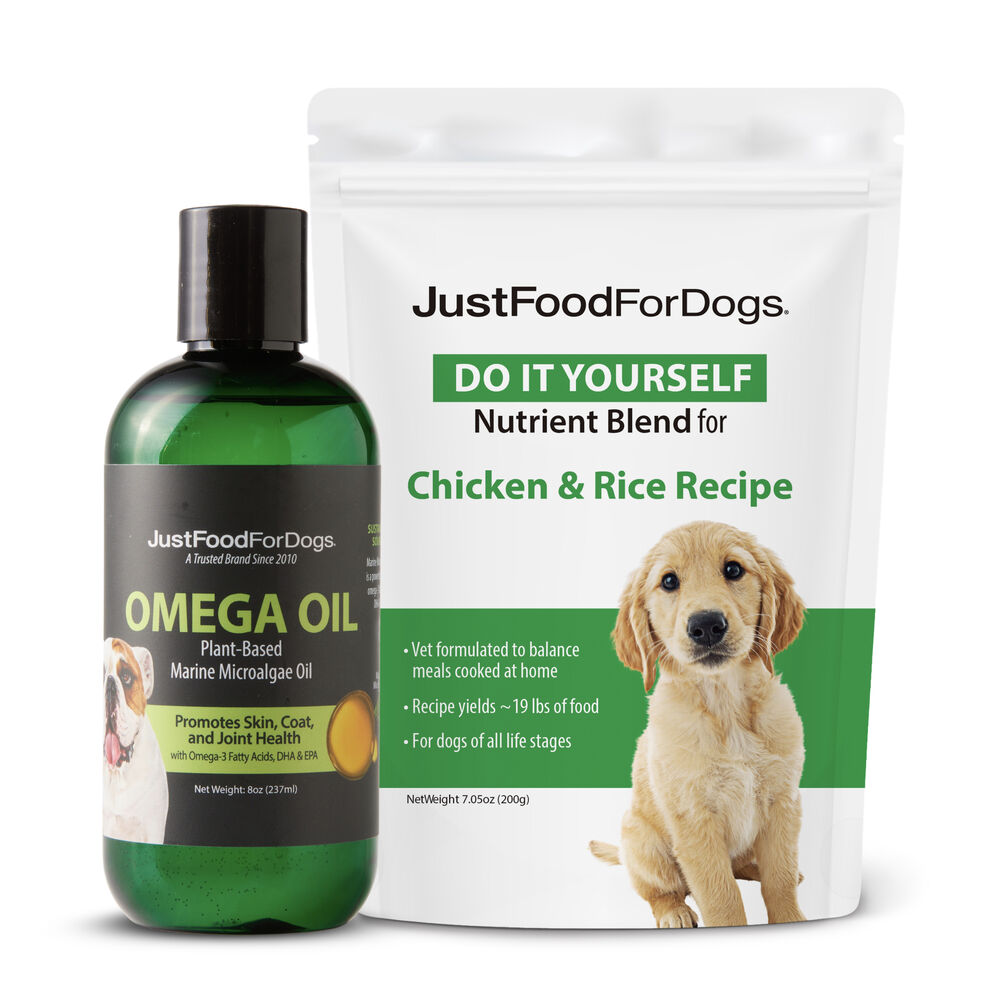
- If you choose homemade: Work with a veterinary nutritionist, include a multivitamin supplement, and rotate proteins to prevent new allergies.
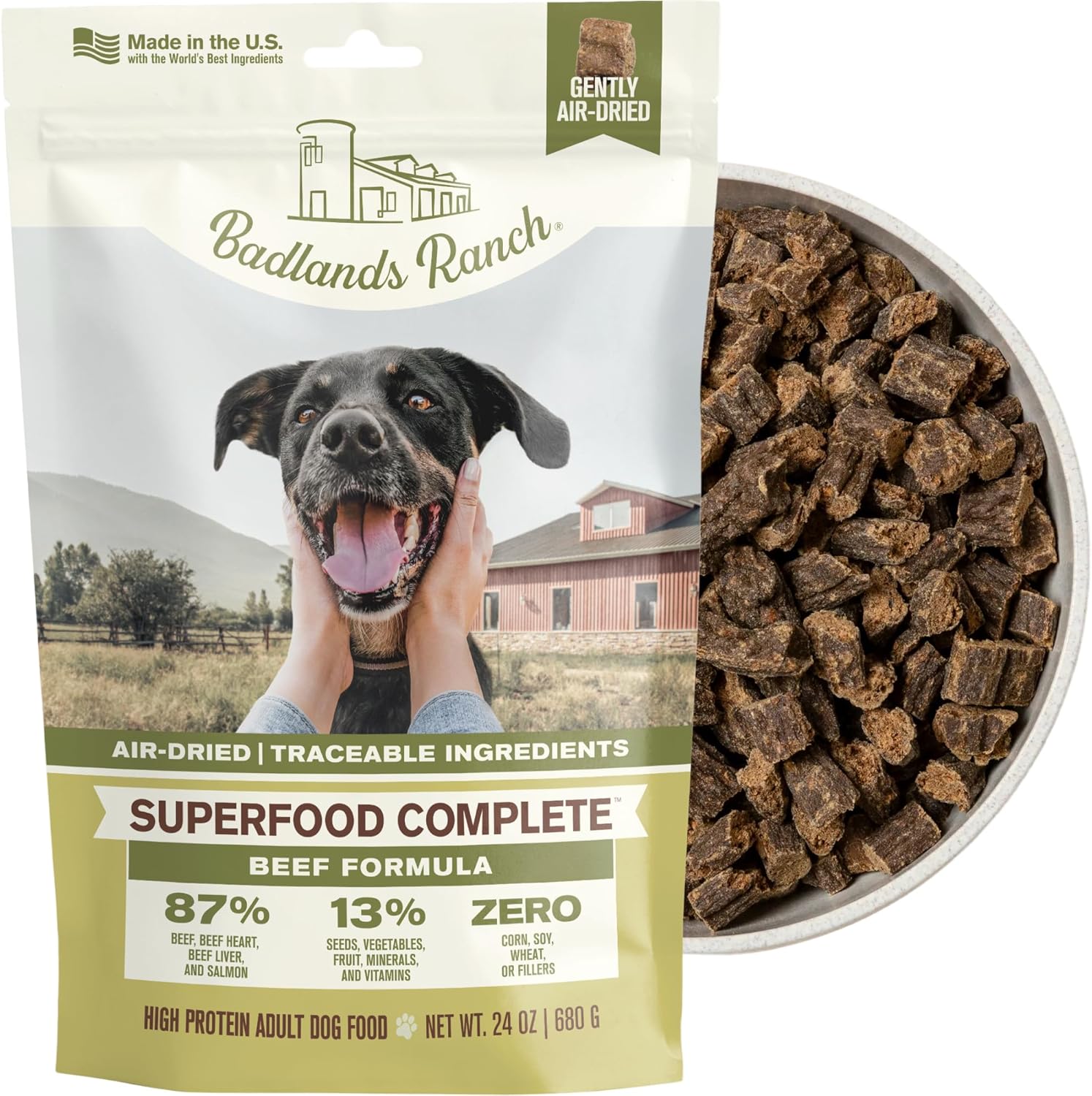
- Commercial diets are convenient, balanced, and often more affordable in the long run. For most owners, a premium limited-ingredient kibble or freeze-dried raw food is the sweet spot.
Transitioning to a New High-Protein Formula
| Day | New Food % | Old Food % |
|---|---|---|
| 1–2 | 25% | 75% |
| 3–4 | 50% | 50% |
| 5–6 | 75% | 25% |
| 7+ | 100% | 0% |
Monitor for any signs of intolerance during the transition. If symptoms worsen, revert to the old food and consult your vet.
Additional Tips for Managing Allergies in Bully Breeds
- Probiotic supplements: Support gut flora and reduce inflammation.
- Omega-3 oils: Add fish oil or krill oil to meals for skin relief.
- Regular bathing: Use hypoallergenic, oatmeal-based shampoos to remove environmental allergens.
- Clean bowls: Wash food and water bowls daily to prevent bacterial buildup.
- Avoid table scraps: Many human foods are trigger ingredients.
Final Thoughts: The Right Formula Changes Everything
Choosing the right high-protein formula for bully dogs with food allergies is not just about feeding your dog—it’s about giving them a better quality of life. A dog that isn’t scratching, vomiting, or suffering from chronic ear infections is a happier, more energetic companion.
The journey may involve some trial and error. But with patience, careful label reading, and perhaps a consultation with your veterinarian, you’ll find a protein-rich diet that fuels your Bully’s powerful body without triggering their sensitive immune system.
Remember: Every dog is unique. What works for one Bully may not work for another. Keep a food diary, observe your dog’s reactions, and adjust accordingly. Your Bully deserves the best—and the best starts with the right protein.
Some links are affiliate links. As an affiliate, I may earn a small commission at no extra cost to you.






Leave a Reply