


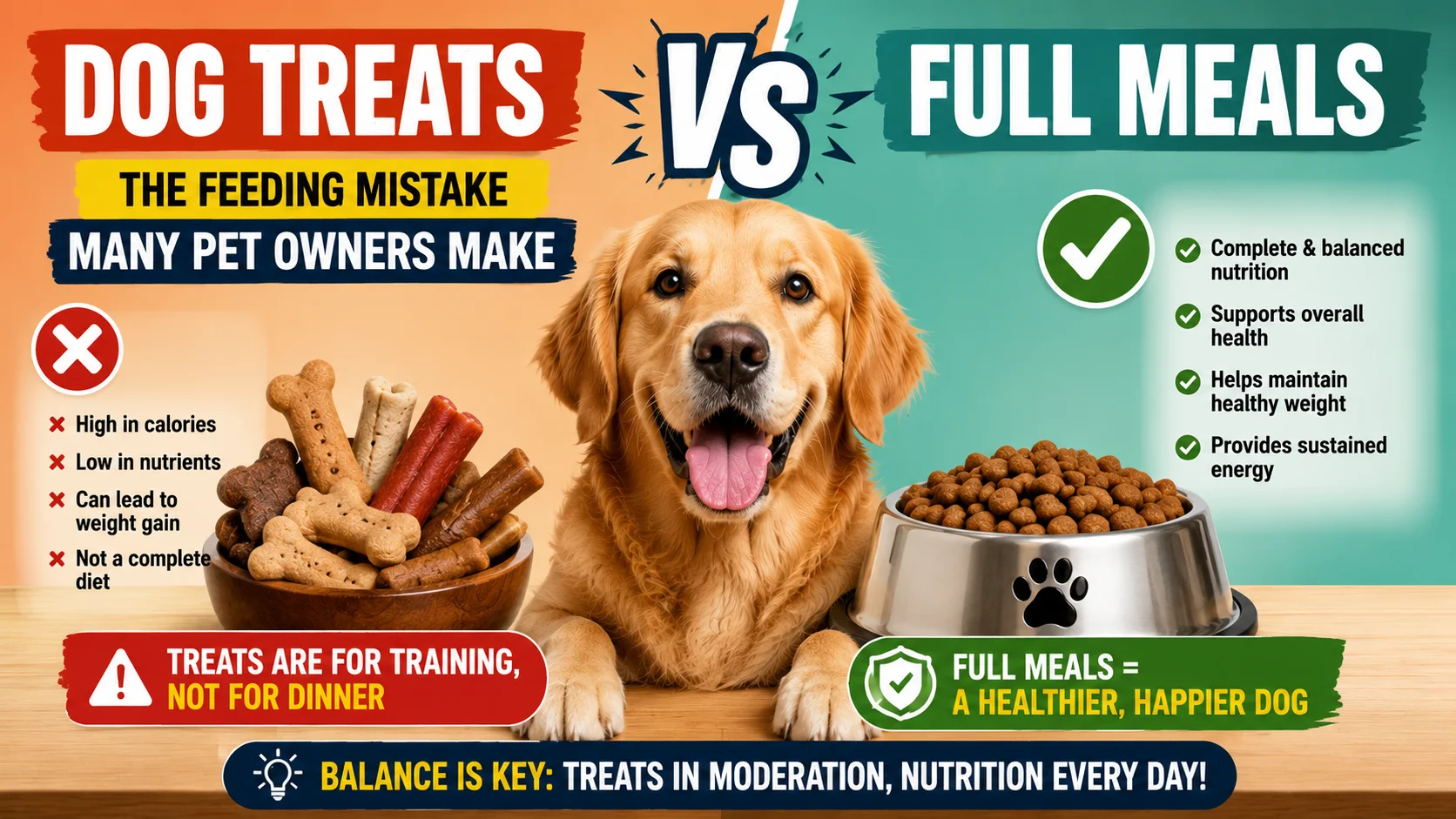
🍖 Dog treats are a powerful tool for training and bonding, but they should never replace a complete meal. Here’s the honest guide to getting the balance right.
📑 Table of Contents
- 1. Dog Treats vs Full Meals: The Nutritional Difference
- 2. What Is the 90/10 Rule for Dogs?
- 3. Can Dogs Eat Treats as a Meal?
- 4. Do Dogs Lower Your Cortisol? (The Science)
- 5. Treats for Dogs With Pancreatitis (Low-Fat Options)
- 6. Treats for Dogs With Osteoarthritis (Joint Support)
- 7. Bloat (GDV) & Treat Precautions for Deep-Chested Breeds
- 8. Precautions: Feeding Treats to a Sick Dog
- 9. Quick-Fire FAQs
- 10. 🛒 Vet-Recommended, Condition-Specific Treats
🥗 Dog Treats vs Full Meals: The Nutritional Difference
Many owners don’t realize that most commercial dog treats are not nutritionally complete. They are designed as occasional rewards, not meal replacements. A high-quality complete meal contains precise ratios of protein, fat, vitamins, and minerals to sustain your dog long-term, while treats often lack essential micronutrients and can unbalance the diet when overfed.
| Criteria | Complete & Balanced Full Meal | Dog Treats (Typical) |
|---|---|---|
| Nutritional Completeness | ✅ Contains all essential nutrients (AAFCO-compliant) | ❌ Usually incomplete — lacks vitamins/minerals |
| Calorie Density | Controlled, steady energy release | Often higher in calories per gram; risks weight gain |
| Primary Role | Daily sustenance & health maintenance | Training reward, bonding, enrichment |
| Fat & Protein Balance | Tailored to life stage (puppy/adult/senior) | Often higher protein/fat — can trigger pancreatitis in sensitive dogs |
| Micronutrients (Vitamins, Minerals) | Precisely fortified | Minimal to none |
📐 What Is the 90/10 Rule for Dogs?
The 90/10 rule is a golden standard backed by veterinary nutritionists: 90% of your dog’s daily calories must come from a complete and balanced diet, while treats (including chews and table scraps) should never exceed the remaining 10%. This simple guideline prevents nutritional dilution, obesity, and chronic diseases like pancreatitis or joint strain. For example, a dog needing 500 kcal/day gets no more than 50 kcal from treats.
❓ Can Dogs Eat Treats as a Meal?
No, never. Treats lack the dense nutrient profile required to sustain organ function, immune health, and energy levels. Even if your dog eats a large volume of treats, they won’t get the right balance of amino acids, fatty acids, or micronutrients. Always reserve treats for rewards, not meal replacements.
🧠 Do Dogs Lower Your Cortisol? (The Science)
Yes — and it’s measurable. Numerous studies show that interacting with a dog reduces cortisol (the stress hormone) in humans. One meta-analysis found that dog-assisted interventions lasting over 15 minutes significantly lowered cortisol levels in stressed individuals. So while treats aren’t the primary stress-reliever, the act of bonding over a healthy treat can amplify that calming effect.
🥨 Treats for Dogs With Pancreatitis (Low-Fat & Safe Options)
Dogs with a history of pancreatitis need to avoid rich, fatty foods indefinitely. High-fat treats (like bacon bites, milk bones, or cheese) can trigger a relapse. The goal: choose treats with less than 5–8% fat on a dry matter basis. Safe options include steamed veggies (green beans, carrots, sweet potato), lean proteins like boiled chicken, and specifically formulated low-fat commercial treats.
✅ Vet-approved commercial low-fat treats — look for fat content <5%.
✅ Homemade low-fat recipes: Sweet potato & carrot biscuits.
❌ Avoid: fatty meats, dairy, processed biscuits, anything fried.
🦴 Treats for Dogs With Osteoarthritis (Joint & Mobility Support)
For dogs with stiff, painful joints, look for treats that contain glucosamine, chondroitin, green-lipped mussels, and anti-inflammatory ingredients like turmeric. These won’t cure arthritis but can help maintain cartilage and reduce inflammation alongside veterinary care.
⚠️ Bloat (GDV) & Treat Precautions for Deep-Chested Breeds
Bloat (Gastric Dilatation-Volvulus) is a life-threatening emergency, especially in large, deep-chested breeds. Treat-related risks include high-fat treats (slow stomach emptying) and swallowing large treats whole. Prevention: Offer small, easily digestible treats; avoid feeding before/after vigorous exercise; consider a prophylactic gastropexy for at-risk breeds.
🩺 Precautions: Feeding Treats to a Sick Dog
When a dog is unwell (vomiting, diarrhea, lethargy, or recovering from surgery), treats should be temporarily stopped or severely restricted. For dogs with chronic conditions like kidney disease or heart failure, only vet-approved prescription treats are safe. Always reintroduce treats gradually after recovery.
📌 Quick-Fire FAQs
🛍️ Condition-Specific, Vet-Friendly Treats (Limited-Time Offers)
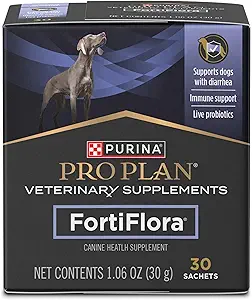
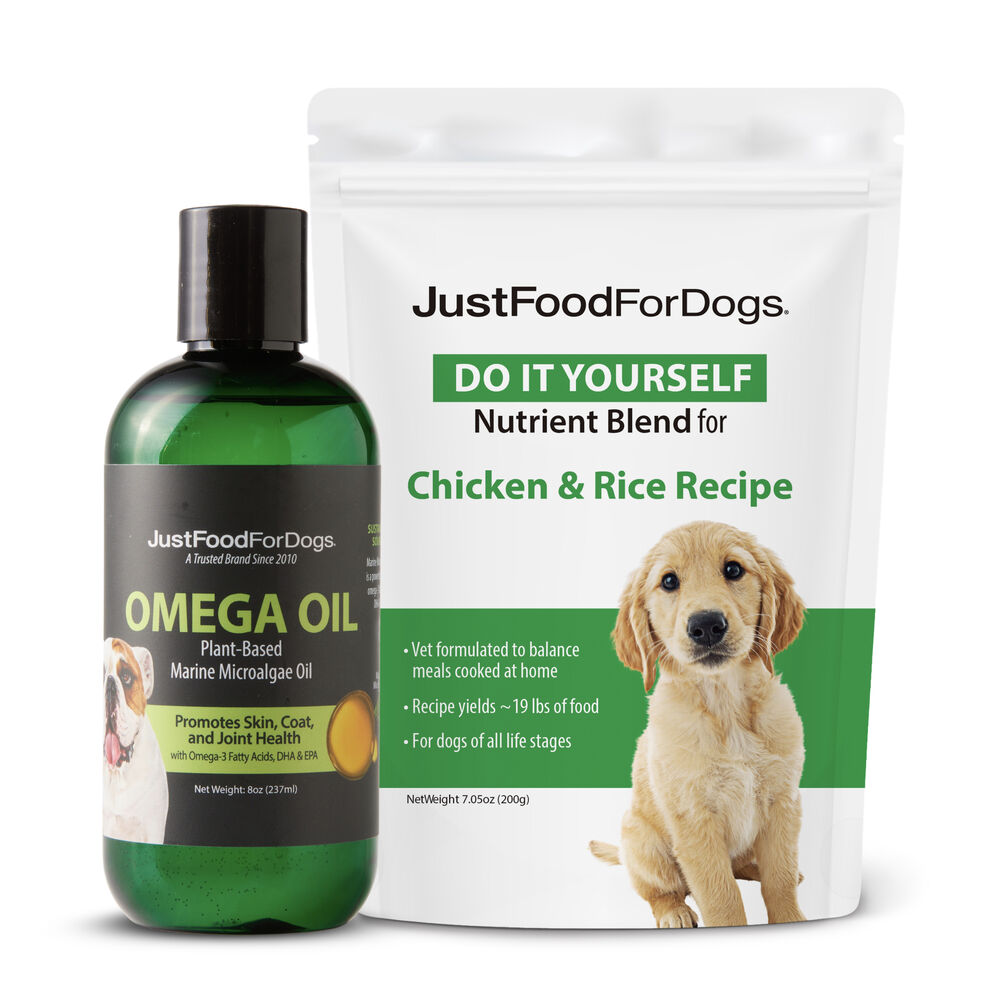
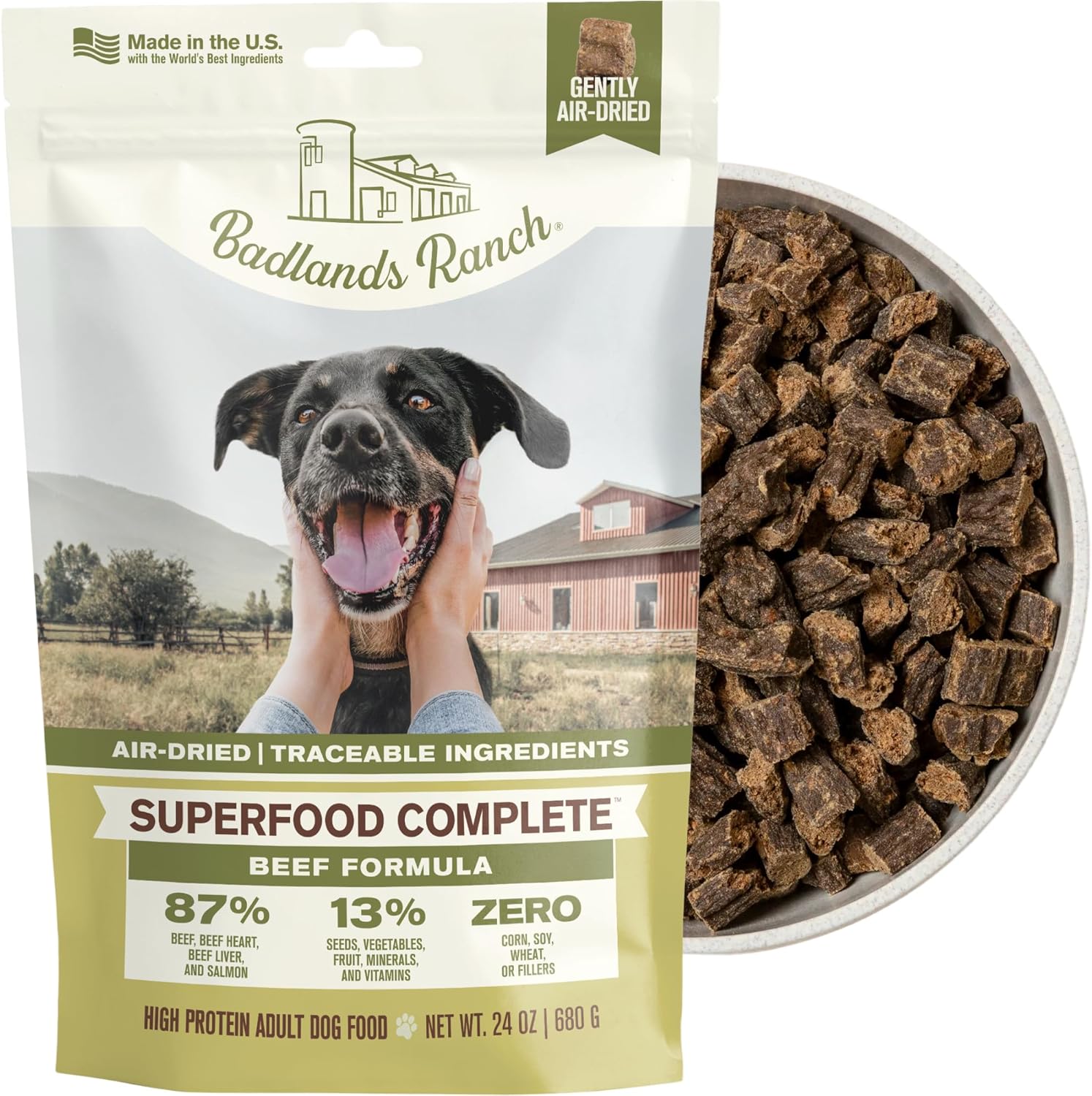
Every purchase helps support our free pet health content. Below you’ll find snacks for pancreatitis, joint care, and everyday healthy snacking — all curated with the 90/10 rule in mind.
✅ Always check the fat content and ingredient list before feeding — especially if your dog has a medical condition.
📌 Missed a section? Jump back to the nutritional comparison, pancreatitis-safe snacks, or bloat precautions.
📢 PS: The UTM parameters in our links help us understand which resources help you most — so we can write more targeted, helpful guides. You just gave your pup a healthier, more balanced future. 🐾




Leave a Reply