


📑 Table of Contents
- Introduction: Can Dogs Thrive on Plant-Based Protein?
- Are Dogs Carnivores or Omnivores? The Science Explained
- Why Protein Quality Matters for Vegetarian Dogs
- Top Vegetarian Protein Sources for Dogs
- Key Nutrients to Watch in Vegetarian Dog Diets
- Which Dogs Might Benefit from a Vegetarian Diet?
- Frequently Asked Questions (FAQ)
- Final Thoughts
Introduction: Can Dogs Thrive on Plant-Based Protein?
More pet owners than ever are exploring plant-based nutrition for their dogs—whether for ethical, environmental, or health reasons. The question on everyone’s mind: can dogs really thrive without meat?
The short answer is yes—but only when their diet is expertly balanced to meet all their nutritional requirements. With the right combination of plant-based proteins and essential supplements, dogs can live healthy, active lives on vegetarian or even vegan diets.
In this guide, we’ll explore the best vegetarian protein sources for dogs, break down the science behind plant-based canine nutrition, and help you make informed choices for your furry friend.
Are Dogs Carnivores or Omnivores? The Science Explained
Dogs (Canis lupus familiaris) are often called carnivores, but scientifically, they are facultative carnivores. This means they thrive on animal protein but are also capable of digesting and absorbing nutrients from plant-based foods.
A landmark study published in Nature (Axelsson et al., 2013) revealed that dogs have evolved extra genes for starch digestion—supporting their ability to adapt to an omnivorous diet. This evolutionary adaptation makes dogs more flexible eaters than their wolf ancestors.
Why Protein Quality Matters for Vegetarian Dogs
Dogs require ten essential amino acids that must come from their food:
- Arginine
- Histidine
- Isoleucine
- Leucine
- Lysine
- Methionine (plus cysteine)
- Phenylalanine (plus tyrosine)
- Threonine
- Tryptophan
- Valine
Animal proteins naturally contain all these essential amino acids. Plant proteins, however, require careful pairing. For example, soy is high in lysine but low in methionine, while rice is rich in methionine but lower in lysine.
A 2019 study in JAVMA (Dodd et al.) confirms that properly formulated vegetarian diets can meet AAFCO and FEDIAF standards. The key is getting the amino acid profile right through strategic protein combinations.
Top Vegetarian Protein Sources for Dogs
🥢 Soybeans & Tofu – The Complete Protein Powerhouse TOP PICK
Soy is one of the most digestible plant-based proteins available for dogs. It contains nine of the ten essential amino acids dogs require, making it especially high in lysine.
Key benefits:
- Highly digestible—dogs can digest amino acids in soybean meal to the same extent as good-quality animal proteins
- Less allergenic than common animal proteins like chicken or beef
- Excellent source of fiber, vitamins, and antioxidants
- May support weight management in spayed and neutered dogs
Forms to look for: Soy protein concentrate (about 70% crude protein) and soy protein isolate (about 90% crude protein) are the most digestible options.
🐕 Best for: Complete protein needs, dogs with meat allergies🛒 Shop Soy-Based Dog Food
🫘 Lentils & Peas – Fibre-Rich & Research-Backed
Lentils and peas are fantastic sources of plant-based protein and fibre. A year-long study confirmed that dogs fed a nutritionally complete plant-based diet with pea protein as a main ingredient maintained their health with no signs of amino acid deficiencies or heart problems.
Key benefits:
- Rich in protein (pea protein concentrate typically contains 80–85% protein)
- Provides essential amino acids for growth, muscle development, and general health
- Red lentils provide all the amino acids important to animals
- Fibre acts as a prebiotic to support gut health
🛒 Shop Lentil & Pea Protein Treats
🌾 Quinoa & Chickpeas – Ancient Grains & Versatile Legumes
Quinoa is a nutritional powerhouse that contains all nine essential amino acids, making it a complete protein source. Chickpeas and faba beans are also emerging as valuable plant-based protein sources, with faba bean protein featuring a high protein content of 61 grams per 100 grams.
Key benefits:
- Complete protein profile (quinoa) – rare among plant sources
- Rich in fibre, antioxidants, and micronutrients
- Supports digestive health
- Chickpeas and faba beans are highly versatile and well-tolerated
🛒 Shop Quinoa & Chickpea Blends
🥛 Dairy & Eggs – Great for Lacto-Vegetarian Diets
For lacto-vegetarian diets, dairy products like cottage cheese and yoghurt are excellent protein sources. They provide high-quality protein with a complete amino acid profile. Yoghurt also offers probiotics for digestive health.
Eggs are a fantastic protein source for lacto-vegetarian diets. They contain all essential amino acids, are highly digestible, and are rich in vitamins and minerals. Serve cooked as a topper or mixed into meals.
Key Nutrients to Watch in Vegetarian Dog Diets
A poorly planned vegetarian diet can lead to dangerous deficiencies. Nutrients requiring special attention include:
| Nutrient | Why It Matters |
|---|---|
| Taurine | Essential for heart health; absent in plants other than algae |
| L-Carnitine | Supports heart function and energy metabolism |
| Vitamin B12 | Critical for nerve function; only found in animal products |
| Iron & Zinc | Plant forms are less bioavailable than animal sources |
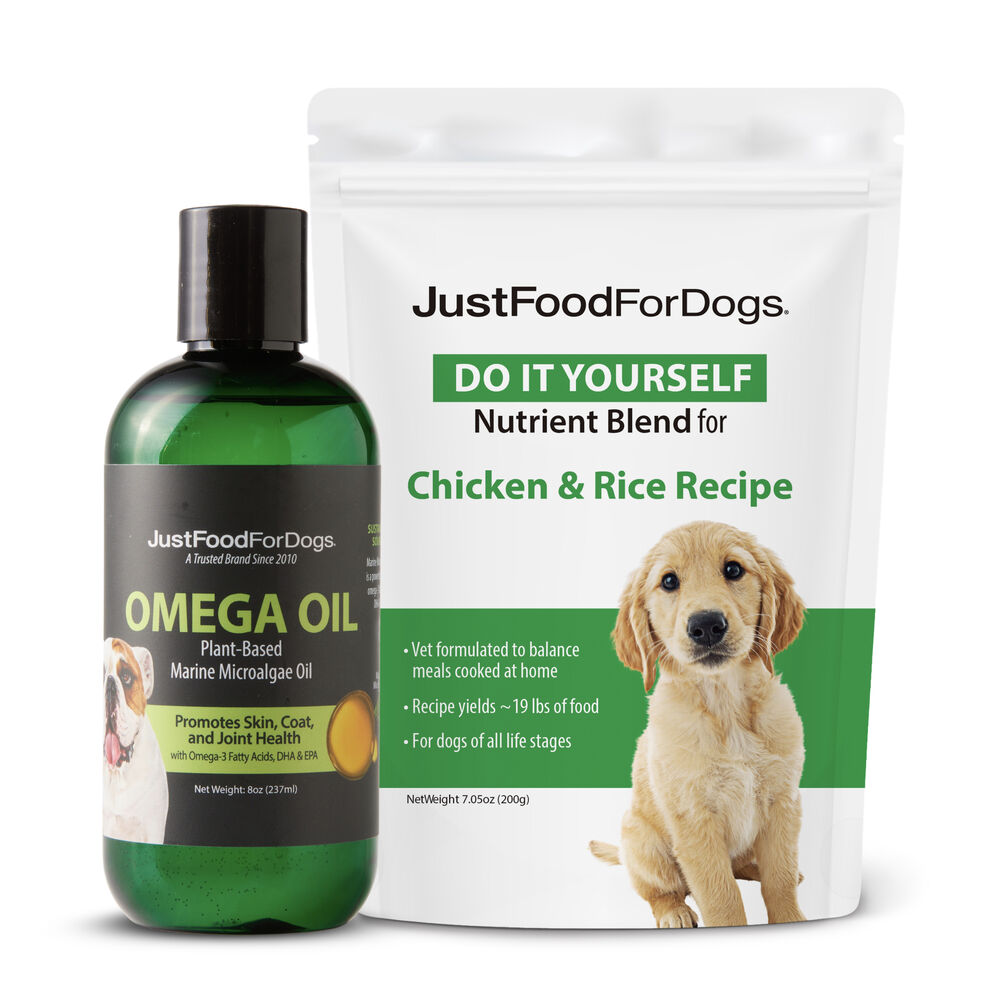
| Omega-3 (EPA/DHA) | Essential for brain, skin, and coat health; algae oil is a plant-based source |
Always choose commercially prepared complete and balanced vegetarian dog foods rather than attempting a DIY diet unless guided by a veterinary nutritionist.
Which Dogs Might Benefit from a Vegetarian Diet?
A vegetarian diet won’t suit every dog, but in certain cases, it can be beneficial:
- 🐕 Dogs with food allergies: Vegetarian diets can help manage sensitivities to beef, chicken, or lamb
- 🫁 Dogs with liver disease: Plant proteins may reduce ammonia production and support liver health
- 💧 Dogs prone to urinary stones: Vegetarian diets are lower in purines, helping prevent certain stones
- 🏠 Dogs in vegetarian households: As long as the diet is balanced, dogs can thrive on plant-based meals
⚠️ Important: Dogs with heart conditions like dilated cardiomyopathy (DCM) need special attention when fed grain-free or pulse-heavy diets. Always consult a qualified canine nutritionist before making significant dietary changes.
🌱 Give Your Dog the Best Plant-Based Nutrition!
Explore our top-rated vegetarian protein products and help your pup thrive on a meat-free diet.
🛒 Shop All Vegetarian Dog Foods⬆️ Click above to check prices & read reviews!
Frequently Asked Questions (FAQ)
A: Yes—dogs can be vegetarian, but only when their diet is expertly balanced to meet all nutritional requirements. A well-planned vegetarian diet can meet AAFCO and FEDIAF standards.
A: Soy in the form of soy protein concentrate or isolate is one of the most digestible plant-based proteins. It contains nine of the ten essential amino acids dogs need. Other excellent options include lentils, peas, and quinoa.
A: Yes, lentils are non-toxic and safe for dogs to eat. Red lentils are particularly beneficial as they provide all the amino acids important to animals. Always cook them thoroughly and serve plain without salt or seasoning.
A: Yes. A year-long study confirmed that dogs fed a pea-protein-based diet maintained their health with no signs of deficiencies or heart problems. Pea protein provides essential amino acids and supports muscle development.
A: While some dogs may have soy sensitivities, soy is actually less allergenic than common animal proteins like chicken or beef. Hydrolyzed soy is even used in hypoallergenic veterinary diets.
A: Yes. Key nutrients like taurine, vitamin B12, L-carnitine, and certain omega-3 fatty acids (EPA/DHA) may need to be supplemented in plant-based diets. Commercially prepared vegetarian dog foods are typically fortified with these nutrients.
A: Avoid DIY vegetarian diets unless guided by a veterinary nutritionist. Also, avoid feeding raw legumes, as cooking is essential to improve digestibility and remove anti-nutrients.
A: Puppies have higher protein and nutrient requirements than adult dogs. Consult your veterinarian before feeding a vegetarian diet to a growing puppy.
Final Thoughts
Choosing the best vegetarian protein sources for dogs is about more than just replacing meat—it’s about understanding your dog’s nutritional needs and selecting high-quality, digestible proteins that provide a complete amino acid profile.
Whether you’re exploring plant-based nutrition for ethical, environmental, or health reasons, the options are better than ever. From soy and lentils to peas and quinoa, there’s a wide range of vegetarian protein sources that can help your dog thrive.
Remember: Always choose commercially prepared complete and balanced vegetarian dog foods or work with a veterinary nutritionist to ensure your dog gets everything they need. Your dog’s health and happiness are worth the extra care.
Happy feeding! 🐾🌱
📑 Table of Contents
- Introduction: Can Dogs Thrive on Plant-Based Protein?
- Are Dogs Carnivores or Omnivores? The Science Explained
- Why Protein Quality Matters for Vegetarian Dogs
- Top Vegetarian Protein Sources for Dogs
- Key Nutrients to Watch in Vegetarian Dog Diets
- Which Dogs Might Benefit from a Vegetarian Diet?
- Frequently Asked Questions (FAQ)
- Final Thoughts
Introduction: Can Dogs Thrive on Plant-Based Protein?
More pet owners than ever are exploring plant-based nutrition for their dogs—whether for ethical, environmental, or health reasons. The question on everyone’s mind: can dogs really thrive without meat?
The short answer is yes—but only when their diet is expertly balanced to meet all their nutritional requirements. With the right combination of plant-based proteins and essential supplements, dogs can live healthy, active lives on vegetarian or even vegan diets.
In this guide, we’ll explore the best vegetarian protein sources for dogs, break down the science behind plant-based canine nutrition, and help you make informed choices for your furry friend.
Are Dogs Carnivores or Omnivores? The Science Explained
Dogs (Canis lupus familiaris) are often called carnivores, but scientifically, they are facultative carnivores. This means they thrive on animal protein but are also capable of digesting and absorbing nutrients from plant-based foods.
A landmark study published in Nature (Axelsson et al., 2013) revealed that dogs have evolved extra genes for starch digestion—supporting their ability to adapt to an omnivorous diet. This evolutionary adaptation makes dogs more flexible eaters than their wolf ancestors.
Why Protein Quality Matters for Vegetarian Dogs
Dogs require ten essential amino acids that must come from their food:
- Arginine
- Histidine
- Isoleucine
- Leucine
- Lysine
- Methionine (plus cysteine)
- Phenylalanine (plus tyrosine)
- Threonine
- Tryptophan
- Valine
Animal proteins naturally contain all these essential amino acids. Plant proteins, however, require careful pairing. For example, soy is high in lysine but low in methionine, while rice is rich in methionine but lower in lysine.
A 2019 study in JAVMA (Dodd et al.) confirms that properly formulated vegetarian diets can meet AAFCO and FEDIAF standards. The key is getting the amino acid profile right through strategic protein combinations.
Top Vegetarian Protein Sources for Dogs
🥢 Soybeans & Tofu – The Complete Protein Powerhouse TOP PICK
Soy is one of the most digestible plant-based proteins available for dogs. It contains nine of the ten essential amino acids dogs require, making it especially high in lysine.
Key benefits:
- Highly digestible—dogs can digest amino acids in soybean meal to the same extent as good-quality animal proteins
- Less allergenic than common animal proteins like chicken or beef
- Excellent source of fiber, vitamins, and antioxidants
- May support weight management in spayed and neutered dogs
Forms to look for: Soy protein concentrate (about 70% crude protein) and soy protein isolate (about 90% crude protein) are the most digestible options.
🐕 Best for: Complete protein needs, dogs with meat allergies🛒 Shop Soy-Based Dog Food
🫘 Lentils & Peas – Fibre-Rich & Research-Backed
Lentils and peas are fantastic sources of plant-based protein and fibre. A year-long study confirmed that dogs fed a nutritionally complete plant-based diet with pea protein as a main ingredient maintained their health with no signs of amino acid deficiencies or heart problems.
Key benefits:
- Rich in protein (pea protein concentrate typically contains 80–85% protein)
- Provides essential amino acids for growth, muscle development, and general health
- Red lentils provide all the amino acids important to animals
- Fibre acts as a prebiotic to support gut health
🛒 Shop Lentil & Pea Protein Treats
🌾 Quinoa & Chickpeas – Ancient Grains & Versatile Legumes
Quinoa is a nutritional powerhouse that contains all nine essential amino acids, making it a complete protein source. Chickpeas and faba beans are also emerging as valuable plant-based protein sources, with faba bean protein featuring a high protein content of 61 grams per 100 grams.
Key benefits:
- Complete protein profile (quinoa) – rare among plant sources
- Rich in fibre, antioxidants, and micronutrients
- Supports digestive health
- Chickpeas and faba beans are highly versatile and well-tolerated
🛒 Shop Quinoa & Chickpea Blends
🥛 Dairy & Eggs – Great for Lacto-Vegetarian Diets
For lacto-vegetarian diets, dairy products like cottage cheese and yoghurt are excellent protein sources. They provide high-quality protein with a complete amino acid profile. Yoghurt also offers probiotics for digestive health.
Eggs are a fantastic protein source for lacto-vegetarian diets. They contain all essential amino acids, are highly digestible, and are rich in vitamins and minerals. Serve cooked as a topper or mixed into meals.
Key Nutrients to Watch in Vegetarian Dog Diets
A poorly planned vegetarian diet can lead to dangerous deficiencies. Nutrients requiring special attention include:
| Nutrient | Why It Matters |
|---|---|
| Taurine | Essential for heart health; absent in plants other than algae |
| L-Carnitine | Supports heart function and energy metabolism |
| Vitamin B12 | Critical for nerve function; only found in animal products |
| Iron & Zinc | Plant forms are less bioavailable than animal sources |
| Omega-3 (EPA/DHA) | Essential for brain, skin, and coat health; algae oil is a plant-based source |
Always choose commercially prepared complete and balanced vegetarian dog foods rather than attempting a DIY diet unless guided by a veterinary nutritionist.
Which Dogs Might Benefit from a Vegetarian Diet?
A vegetarian diet won’t suit every dog, but in certain cases, it can be beneficial:
- 🐕 Dogs with food allergies: Vegetarian diets can help manage sensitivities to beef, chicken, or lamb
- 🫁 Dogs with liver disease: Plant proteins may reduce ammonia production and support liver health
- 💧 Dogs prone to urinary stones: Vegetarian diets are lower in purines, helping prevent certain stones
- 🏠 Dogs in vegetarian households: As long as the diet is balanced, dogs can thrive on plant-based meals
⚠️ Important: Dogs with heart conditions like dilated cardiomyopathy (DCM) need special attention when fed grain-free or pulse-heavy diets. Always consult a qualified canine nutritionist before making significant dietary changes.
🌱 Give Your Dog the Best Plant-Based Nutrition!
Explore our top-rated vegetarian protein products and help your pup thrive on a meat-free diet.
🛒 Shop All Vegetarian Dog Foods⬆️ Click above to check prices & read reviews!
Frequently Asked Questions (FAQ)
A: Yes—dogs can be vegetarian, but only when their diet is expertly balanced to meet all nutritional requirements. A well-planned vegetarian diet can meet AAFCO and FEDIAF standards.
A: Soy in the form of soy protein concentrate or isolate is one of the most digestible plant-based proteins. It contains nine of the ten essential amino acids dogs need. Other excellent options include lentils, peas, and quinoa.
A: Yes, lentils are non-toxic and safe for dogs to eat. Red lentils are particularly beneficial as they provide all the amino acids important to animals. Always cook them thoroughly and serve plain without salt or seasoning.
A: Yes. A year-long study confirmed that dogs fed a pea-protein-based diet maintained their health with no signs of deficiencies or heart problems. Pea protein provides essential amino acids and supports muscle development.
A: While some dogs may have soy sensitivities, soy is actually less allergenic than common animal proteins like chicken or beef. Hydrolyzed soy is even used in hypoallergenic veterinary diets.
A: Yes. Key nutrients like taurine, vitamin B12, L-carnitine, and certain omega-3 fatty acids (EPA/DHA) may need to be supplemented in plant-based diets. Commercially prepared vegetarian dog foods are typically fortified with these nutrients.
A: Avoid DIY vegetarian diets unless guided by a veterinary nutritionist. Also, avoid feeding raw legumes, as cooking is essential to improve digestibility and remove anti-nutrients.
A: Puppies have higher protein and nutrient requirements than adult dogs. Consult your veterinarian before feeding a vegetarian diet to a growing puppy.
Final Thoughts
Choosing the best vegetarian protein sources for dogs is about more than just replacing meat—it’s about understanding your dog’s nutritional needs and selecting high-quality, digestible proteins that provide a complete amino acid profile.
Whether you’re exploring plant-based nutrition for ethical, environmental, or health reasons, the options are better than ever. From soy and lentils to peas and quinoa, there’s a wide range of vegetarian protein sources that can help your dog thrive.
Remember: Always choose commercially prepared complete and balanced vegetarian dog foods or work with a veterinary nutritionist to ensure your dog gets everything they need. Your dog’s health and happiness are worth the extra care.
Happy feeding! 🐾🌱






Leave a Reply