


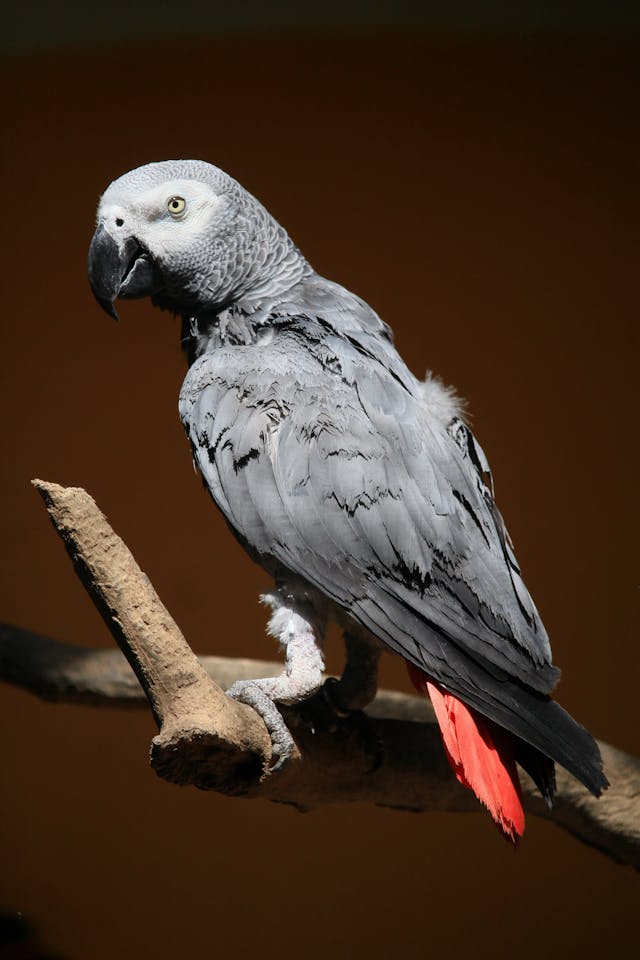
The African Grey Parrot is widely considered the undisputed genius of the bird world. Renowned for its incredible intelligence and ability to mimic human speech with astounding clarity, the African Grey (Psittacus erithacus) is more than just a pet; it is a lifelong companion with the emotional complexity of a toddler and the intellect of a young child. However, this brilliance comes with a price. African Greys are notoriously sensitive and demanding, requiring an owner who is prepared to meet their complex physical and psychological needs. If you are considering inviting one of these feathered Einsteins into your home, here is your essential guide to diet, training, and common issues.
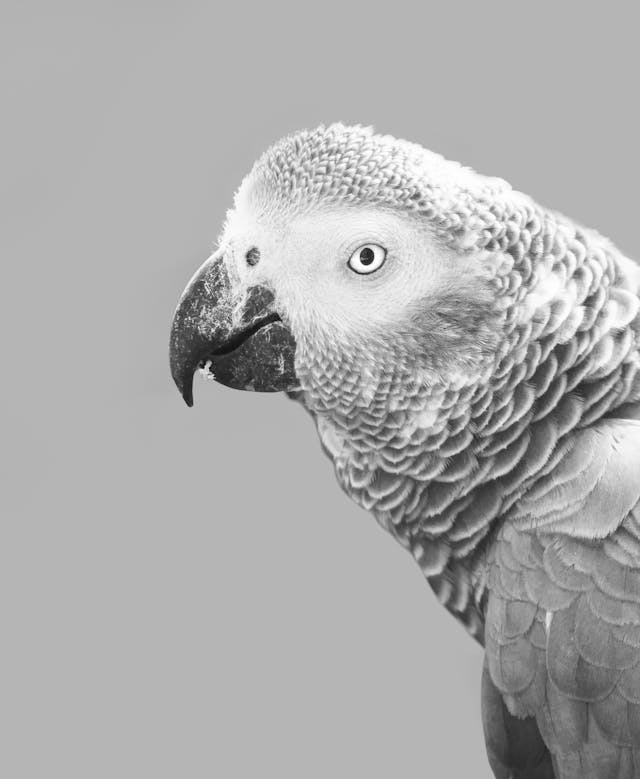
Understanding the Grey
Before diving into care, it’s important to distinguish between the two subspecies you are likely to encounter:
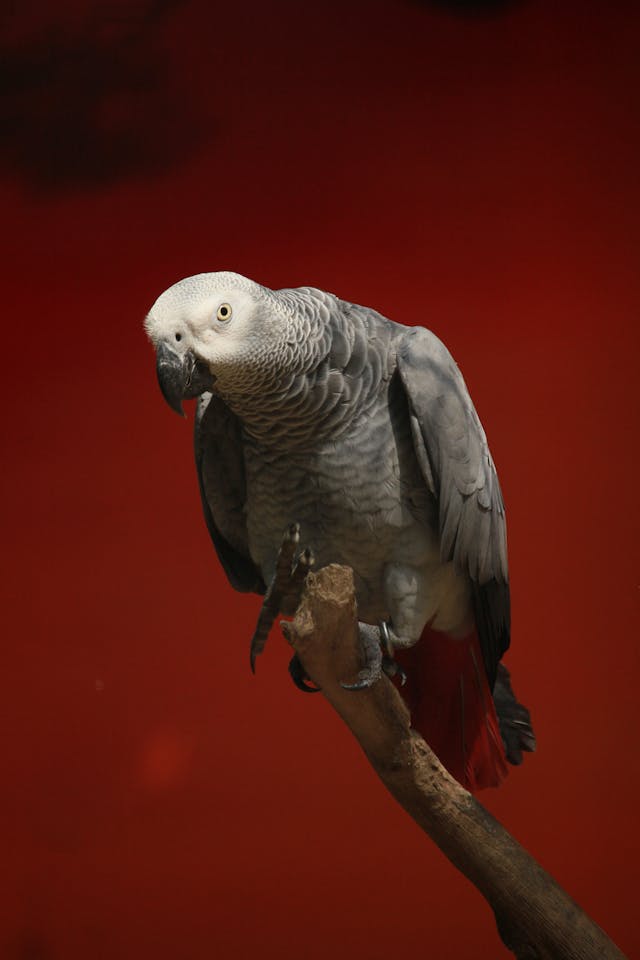
- Congo African Grey (Psittacus erithacus erithacus): The larger of the two, with light gray feathers, a solid black beak, and a vibrant red tail.
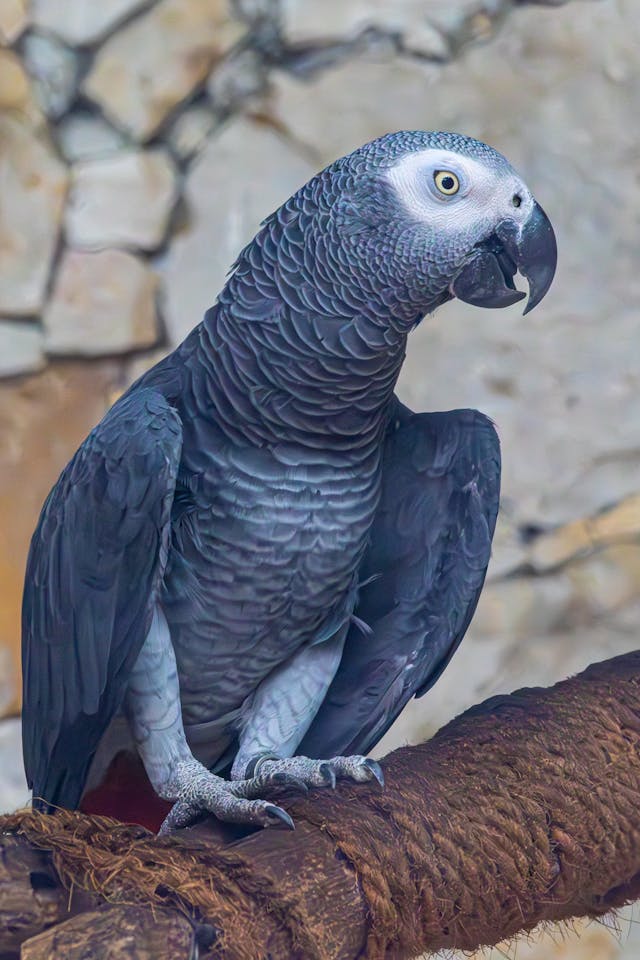
- Timneh African Grey (Psittacus erithacus timneh): Slightly smaller, with a darker charcoal-gray plumage, a horn-colored upper mandible, and a maroon or dark burgundy tail. They are often said to be a bit less high-strung and may begin speaking at an earlier age than the Congo .
These birds are not for beginners. With a lifespan of 40 to 60 years (or even longer in captivity), owning an African Grey is a multi-decade commitment that will outlast most other pets and requires extensive planning for their future .
Part 1: The Foundation of Health – Diet
In the wild, African Greys spend their days foraging for a wide variety of foods. Replicating this nutritional diversity in captivity is the single most important factor in preventing disease and ensuring a long, healthy life.
The Pellet Base
A high-quality, formulated pellet should make up approximately 60-80% of your Grey’s diet. Pellets are designed to be nutritionally complete, preventing the bird from picking out only its favorite (and often fatty) seeds. Avoid seed-heavy mixes, as these lead to obesity and nutritional deficiencies .
The Rainbow of Fresh Foods
The rest of the diet should consist of a daily offering of fresh, bird-safe fruits and vegetables. Think of it as creating a “chop”—a finely chopped mix that prevents the bird from picking out only the tasty bits.
- Vegetables (should make up the bulk of fresh food): Leafy greens like kale, collard greens, and romaine lettuce. Also offer chopped bell peppers (a great source of Vitamin C), broccoli, carrots, zucchini, and cooked sweet potatoes.
- Fruits (in moderation due to sugar content): Apples (without seeds), berries, bananas, mango, and oranges are all excellent choices.
The Calcium Connection
African Greys are notoriously prone to calcium deficiencies, which can lead to seizures, weakness, and egg-binding in females. It is vital to ensure they have access to calcium. This can be provided through:
- Dark, leafy greens like kale and collards.
- A cuttlebone placed in their cage, which also helps keep their beak trimmed.
- Calcium supplements (consult your avian vet for the correct type and dosage).
Foods to AVOID
Never feed your African Grey avocado, chocolate, caffeine, alcohol, or onions and garlic, as these are toxic to birds.
Part 2: Shaping a Genius – Training
You don’t just “own” an African Grey; you negotiate with it. Training is not optional; it is essential for their mental well-being and for building a trusting relationship.
The Power of Positive Reinforcement
Forget old-school dominance techniques. African Greys are highly sensitive and will shut down or become fearful if treated harshly. Positive reinforcement—rewarding desired behaviors with treats, praise, or head scratches—is the only effective method .
- Clicker Training: Using a small clicker to “mark” a desired behavior, followed immediately by a treat, is incredibly effective for Greys. It provides clear, instant communication .
Step-Up Command
This is the foundation of all training. Gently press a dowel or your finger against the bird’s lower chest and say “step up.” The moment they lift a foot to step onto it, give the command and reward them. Never force the issue.
Foraging: The Ultimate Brain Game
In the wild, Greys spend hours finding food. In a cage, we hand it to them in a bowl. This boredom is a primary cause of behavioral issues.
- Start Simple: Wrap a favorite treat in a piece of paper and tuck it into the cage bars.
- Get Creative: Use foraging toys, cardboard boxes, or specially designed puzzles where they have to slide doors or unscrew caps to find a hidden nut. Aim to have your bird “work” for at least some of its daily food .
Part 3: The Shadow Side – Common Issues
Owning a genius is rewarding, but it also comes with challenges. African Greys are prone to specific issues that every owner must watch for.
Feather Plucking and Self-Mutilation
This is the most heartbreaking and common issue in Greys. It is almost always a symptom of an underlying problem, not the problem itself.
- Causes: Boredom (lack of foraging/enrichment), loneliness (not enough social interaction), stress (changes in the home), hormonal changes, or medical issues like skin infections or pain.
- Solution: Never scold a bird for plucking. Instead, consult an avian vet to rule out medical causes. Then, conduct an “audit” of their life: Is the diet right? Is there enough sleep (10-12 hours of darkness)? Are there enough foraging opportunities? Do they need more out-of-cage time?
Night Frights
African Greys are prone to sudden panic attacks in the dark. A noise or a shadow can send them flapping wildly against their cage bars, causing injury or broken blood feathers.
- Prevention: Provide a small, low-wattage night light in the room. Ensure the cage is placed against a wall to make the bird feel more secure .
Sensitivity to Change
Greys are creatures of habit. A new piece of furniture, a different brand of food, or a new family member can cause them significant stress. Any changes to their environment should be introduced slowly and patiently.
Calcium Deficiency
As mentioned in the diet section, this is a major medical concern. Signs can include weakness, tremors, incoordination, and seizures. A diet rich in calcium and regular vet check-ups are the only prevention.
The Bonding Trap
Greys often choose one favorite person in the household. While this can be flattering, it can lead to the bird becoming aggressive or fearful towards other family members. It is crucial that all members of the household participate in feeding, training, and positive interactions from day one to prevent this .
Caring for an African Grey is not a hobby; it’s a lifestyle. They demand patience, consistency, and a deep understanding of their unique needs. But for those who are willing to put in the work, the reward is a profound, once-in-a-lifetime bond with one of the most intelligent and fascinating creatures on the planet










Leave a Reply