


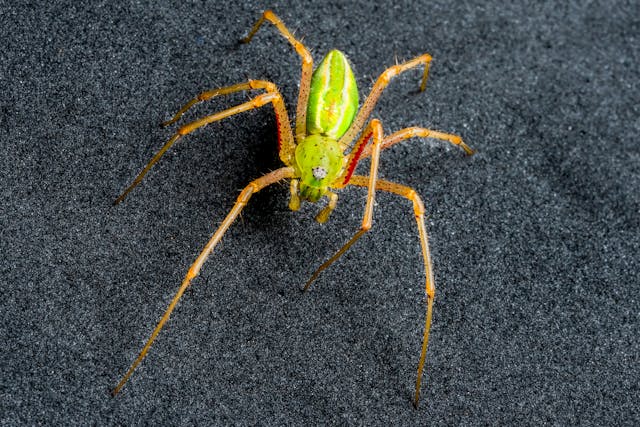
Spiders in cotton farming are among the most important natural enemies of crop pests. Correctly identifying the key species helps farmers and agronomists recognize and conserve these valuable biological control agents. Here are the most common and beneficial spider species found in cotton fields worldwide, along with their key identification features and roles.
1. Lynx Spiders (Family: Oxyopidae)
These are among the most abundant and important spiders in cotton.
- Striped Lynx Spider (Oxyopes salticus) Small to medium-sized (about 5–8 mm), with distinctive longitudinal stripes on the body and legs. They have prominent eyes arranged in a hexagonal pattern and long, spiny legs. Highly active hunters that move quickly across foliage.
- Green Lynx Spider (Peucetia viridans) Larger and bright green with reddish-orange markings on the legs and abdomen. They blend perfectly with cotton leaves. Excellent visual hunters that stalk and pounce on prey.
Role: Major predators of cotton fleahoppers, bollworm eggs and small larvae, aphids, and plant bugs. Often considered the most valuable spiders in U.S. cotton fields.
2. Wolf Spiders (Family: Lycosidae)
Ground-dwelling hunters that patrol the soil surface and lower plant canopy.
- Pardosa species (e.g., Pardosa sternalis, Pardosa crassipalpis) Medium-sized, brownish-gray with dark markings and a distinct “racing stripe” pattern on the cephalothorax. They have excellent eyesight and run swiftly when disturbed.
- Other wolf spiders like Tasmanicosa leuckartii and Hogna crispipes (common in Australian cotton) Larger and robust, often with mottled brown patterns for camouflage on soil.
Role: Voracious predators of bollworm larvae (especially late-instar ones descending to pupate), crickets, and various ground-dwelling pests.
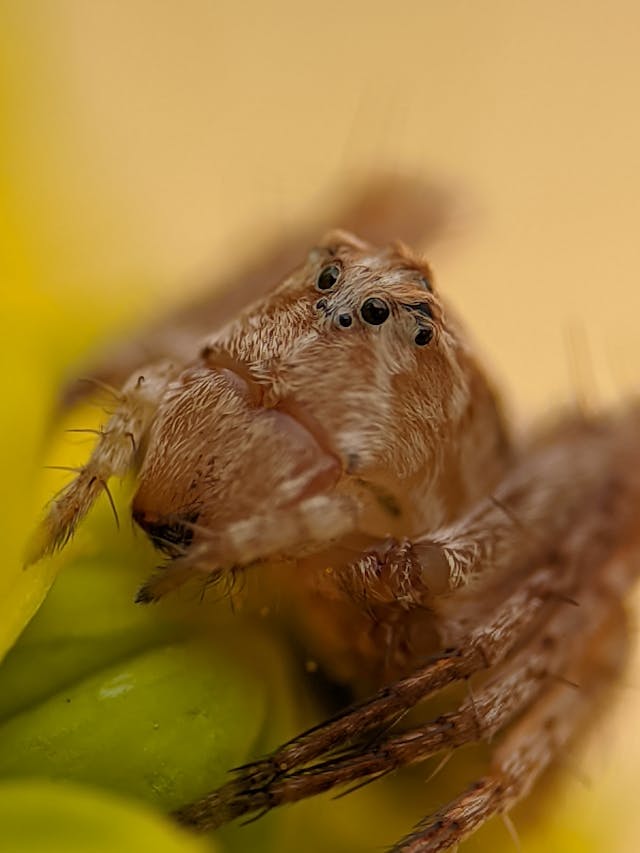
3. Crab Spiders (Family: Thomisidae)
Ambush predators that hide in flowers or on leaves.
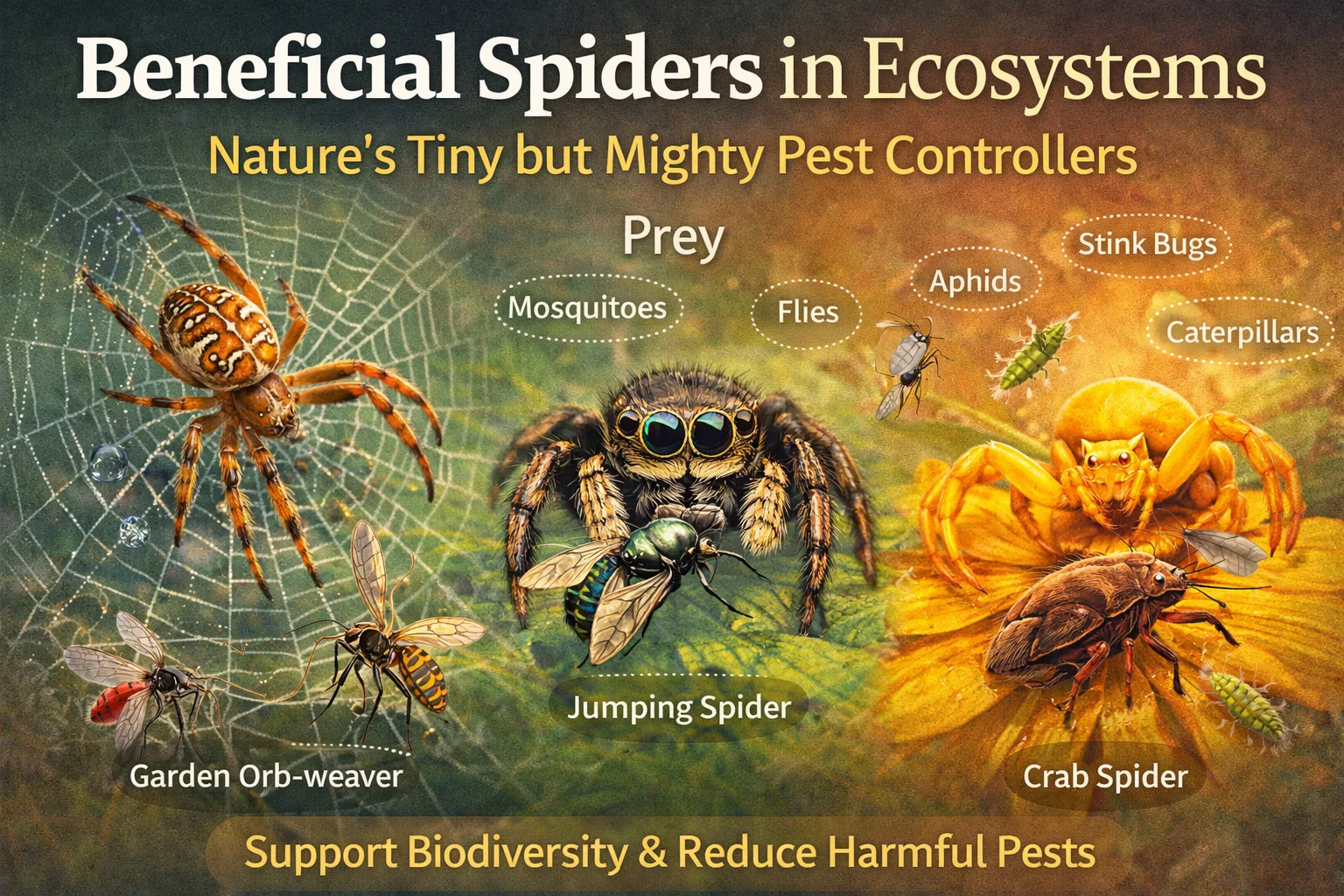
- Misumenops celer (Celer Crab Spider) and related species Small, flat-bodied spiders that can change color slightly to match the flower or leaf. They move sideways like crabs.
Role: Capture small insects visiting flowers, including fleahoppers, thrips, and small caterpillars.
4. Jumping Spiders (Family: Salticidae)
Active daytime hunters with excellent vision.
- Various species (e.g., Zygoballus, Sitticus, and others) Compact, hairy bodies with large forward-facing eyes. They have a distinctive “crouch and pounce” hunting style.
Role: Consume a wide variety of small pests, including aphids, leafhoppers, and moth eggs.
5. Other Notable Spiders in Cotton
- Orb-weavers and Long-jawed Spiders (Tetragnatha species): Build webs between plants to trap flying insects.
- Sheet-web and Mesh-web Spiders (Linyphiidae and Dictynidae): Small spiders that build horizontal webs near the ground or in foliage.
- Ghost Spiders (Anyphaenidae): Pale, fast-moving nocturnal hunters.
Quick Identification Tips for Farmers
- On foliage: Look for fast-moving green or striped spiders → likely Lynx spiders.
- On the ground: Brown, robust spiders that run quickly → likely Wolf spiders.
- In flowers: Small, crab-like spiders that sit motionless → Crab spiders.
- With big eyes and jumping behavior: Jumping spiders.
Conservation Advice
Avoid broad-spectrum insecticides early in the season, as they kill these beneficial spiders and can lead to pest outbreaks later. Maintain field borders, reduce tillage, and leave some crop residue to support spider populations.
Recognizing these beneficial cotton spider species is the first step toward effective Integrated Pest Management (IPM). Instead of viewing every spider as a threat, farmers who identify and protect these natural allies often enjoy lower pest pressure, reduced chemical costs, and healthier cotton crops.
Would you like photos descriptions, regional variations (e.g., India, USA, Australia), or a simple field identification guide for these species?
Spiders in Cotton Farming: Nature’s Effective Pest Controllers for Healthier Yields
Spiders in cotton farming serve as powerful, free biological allies that help suppress key insect pests while reducing the need for chemical insecticides. Cotton fields attract a wide variety of spiders that actively hunt or trap damaging insects, making them essential players in Integrated Pest Management (IPM) programs worldwide.
Why Spiders Excel in Cotton Fields
Cotton crops host numerous pests, and spiders thrive in these warm, structured environments. They “balloon” into fields on silk threads carried by the wind and quickly establish populations. Spiders are often more abundant than other predators in row crops and provide consistent, broad-spectrum control throughout the growing season.
Major Cotton Pests Controlled by Spiders
Spiders target many economically important cotton pests, including:
- Cotton fleahoppers
- Bollworm and tobacco budworm larvae and eggs
- Aphids
- Plant bugs
- Caterpillars
- Thrips (to some extent)
- Other soft-bodied insects
By preying on these, spiders help keep pest numbers below damaging thresholds and limit outbreaks.
Key Beneficial Spider Species in Cotton
- Lynx Spiders (Oxyopes salticus and Peucetia viridans): Among the most important in cotton. These active hunters are aggressive and abundant. The striped lynx spider is a key predator of cotton fleahoppers.
- Wolf Spiders (Lycosidae, e.g., Pardosa species): Ground-dwelling hunters that patrol soil and lower plants, consuming larvae and various crawling pests.
- Crab Spiders (Thomisidae): Ambush predators that hide in flowers or on leaves and grab passing insects, including fleahoppers and small caterpillars.
- Jumping Spiders (Salticidae): Excellent visual hunters with keen eyesight that stalk and pounce on a variety of pests.
- Orb-weavers and Sheet-web Spiders: Web-builders that trap flying insects effectively.
These spiders work together as a natural pest control team across different layers of the cotton plant.
Major Benefits of Spiders in Cotton Farming
1. Reduced Insecticide Use Preserving spider populations allows farmers to cut back on broad-spectrum sprays, lowering costs and slowing the development of pesticide resistance.
2. Improved Crop Yields and Quality Effective natural predation reduces boll damage and fruit loss, leading to higher lint yields and better fiber quality.
3. Environmental Sustainability Fewer chemical applications mean less harm to soil, water, beneficial insects, and pollinators. Spiders support overall biodiversity on the farm.
4. Cost-Effective Long-Term Control Spiders provide ongoing, self-sustaining pest suppression once established, especially in fields with habitat refuges and reduced tillage.
5. Resilience in IPM Systems In both conventional and Bt cotton systems, spiders complement other biological controls and help stabilize pest populations.
Practical Ways to Boost Spider Populations in Cotton Fields
- Minimize early-season broad-spectrum insecticides to allow spiders to colonize fields.
- Maintain habitat refuges such as field borders, grass strips, hedgerows, and cover crops.
- Reduce tillage and leave some crop residue for overwintering sites.
- Use selective or targeted sprays only when necessary.
- Avoid unnecessary disturbance in drainage ditches and field margins, which act as spider reservoirs.
The Bottom Line
Spiders in cotton farming are valuable assets that deliver silent, round-the-clock biological control. Instead of viewing them as pests, forward-thinking cotton growers recognize them as partners that improve sustainability and profitability.
By adopting spider-friendly practices, farmers can harness nature’s pest management power, reduce chemical inputs, and build more resilient cotton production systems.
Would you like tips for identifying common cotton spiders, region-specific advice (e.g., India, USA, Australia), or strategies to combine spiders with other biological controls? Let me know!
Spiders in Rice Farming: Nature’s Powerful Ally for Sustainable Pest Control
Spiders in rice farming play a crucial, often underappreciated role as highly effective natural predators. In rice paddies across Asia and other major rice-growing regions, these arachnids serve as frontline defenders against devastating insect pests. By naturally suppressing populations of planthoppers, leafhoppers, stem borers, and leaf folders, spiders help farmers reduce chemical pesticide use while boosting crop yields and promoting ecological balance.
Why Spiders Thrive in Rice Ecosystems
Rice fields provide an ideal habitat for spiders — with standing water, dense vegetation, and abundant prey. Spiders are among the most abundant predators in tropical and subtropical rice ecosystems. They occupy various niches: hunting on the ground, stalking on rice stems, or building webs between plants. Their presence is especially vital during the early crop stages when pest populations can explode rapidly.
Major Pests Controlled by Spiders in Rice Fields
Spiders target some of the most destructive rice pests, including:
- Brown planthopper (Nilaparvata lugens)
- Green leafhopper (Nephotettix species)
- Rice stem borers
- Leaf folders
- Rice bugs and various moths
A single wolf spider can consume dozens of planthoppers per day, while web-building spiders trap flying insects efficiently. This predation helps keep pest numbers below economic damage thresholds.
Key Beneficial Spider Species in Rice Farming
- Pardosa pseudoannulata (Wolf Spider): A dominant hunter that actively patrols rice plants and water surfaces. It is considered one of the most important predators of brown planthoppers.
- Tetragnatha species (Long-jawed Orb-weavers): Common web-builders that thrive in flooded paddies and capture many flying insects.
- Oxyopes javanus (Lynx Spider): An agile hunter known for leaping on prey; it consumes leaf folder moths and other pests.
- Atypena formosana: A small but highly effective early-season predator.
- Other notable groups include jumping spiders (Salticidae), crab spiders, and dwarf spiders.
These species work together as a natural pest control team, providing continuous protection throughout the growing season.
Major Benefits of Spiders in Rice Farming
1. Reduced Pesticide Dependence Heavy insecticide use often kills spiders and other beneficials, leading to pest resurgence. Preserving spider populations helps break this cycle and supports Integrated Pest Management (IPM).
2. Higher Yields and Cost Savings Healthy spider communities suppress pests naturally, resulting in better grain quality and quantity while lowering input costs for farmers.
3. Ecological Sustainability Spiders promote biodiversity, reduce chemical runoff into waterways, and contribute to long-term soil and water health in rice ecosystems.
4. Resilience Against Outbreaks In organic and low-spray systems, spiders help prevent sudden pest explosions, making farming more stable and climate-resilient.
Practical Ways to Encourage Spiders in Rice Fields
- Avoid broad-spectrum insecticides, especially early in the season.
- Maintain habitat refuges such as rice stubble, field margins, bunds, and weeds for overwintering spiders.
- Use mulching and reduced tillage to support alternative prey (like midges and gnats) that sustain spiders between crops.
- Adopt organic or IPM practices that favor biodiversity.
- Integrate rice with heterogeneous landscapes (trees, ditches, or mixed crops) to boost spider migration into paddies.
The Bottom Line
Spiders in rice farming are silent heroes that deliver free, round-the-clock biological pest control. By shifting from heavy chemical reliance toward spider-friendly practices, rice farmers can achieve more sustainable, profitable, and environmentally responsible production.
The next time you walk through a rice paddy and spot webs glistening or small hunters darting across the leaves, remember — these are not pests, but valuable partners working hard to protect the harvest.
Would you like region-specific advice (e.g., for India, Philippines, or China), identification tips for common rice field spiders, or strategies to combine spiders with other biological controls?













Leave a Reply