


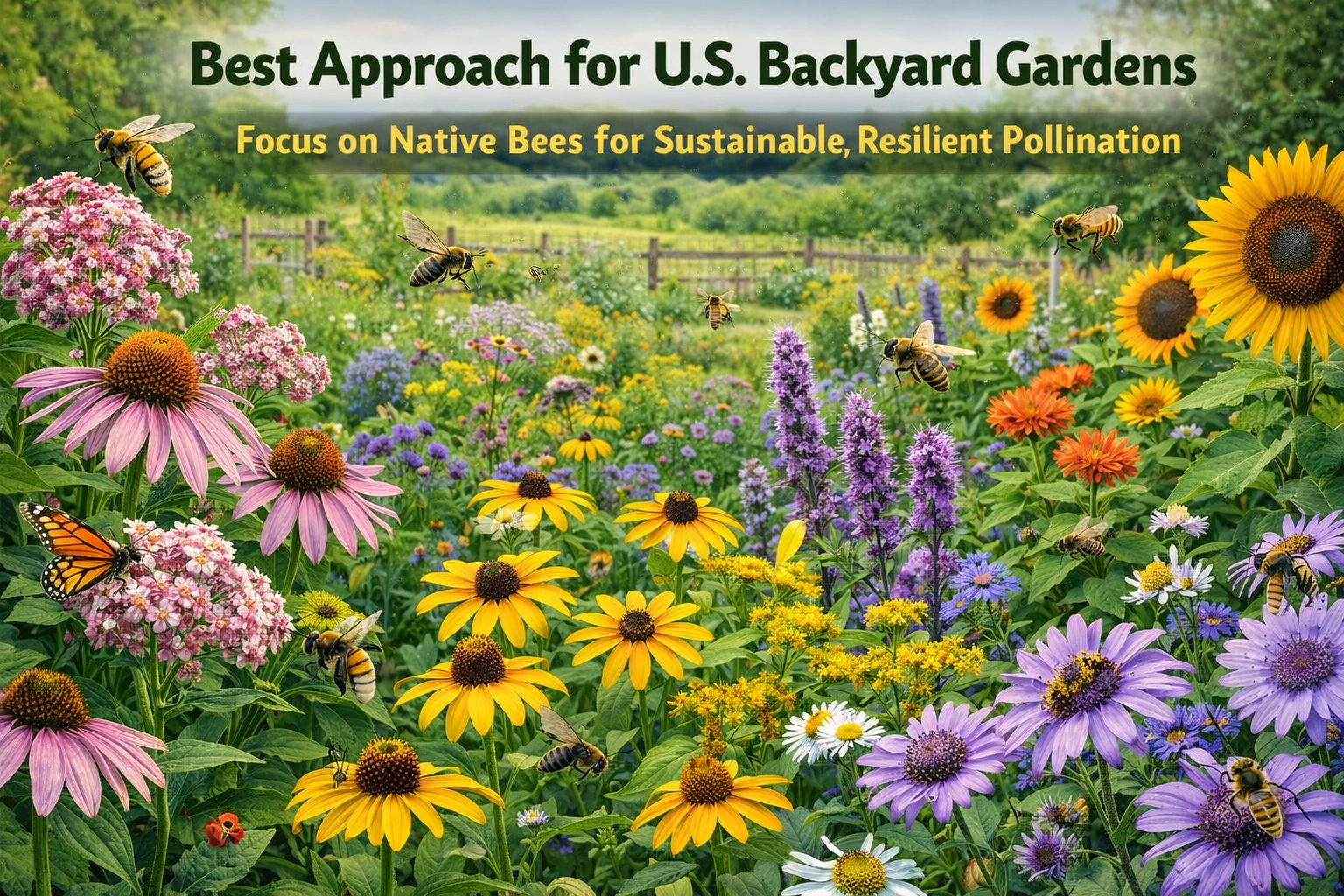
Continuing our series on sustainable backyard systems—where chickens, ducks, and rabbits boost composting and pest control—let’s dive deeper into bees for pollination. In the United States, with its vast diversity of climates and gardens from coast to coast, choosing the right bees makes a big difference in creating productive, eco-friendly spaces.
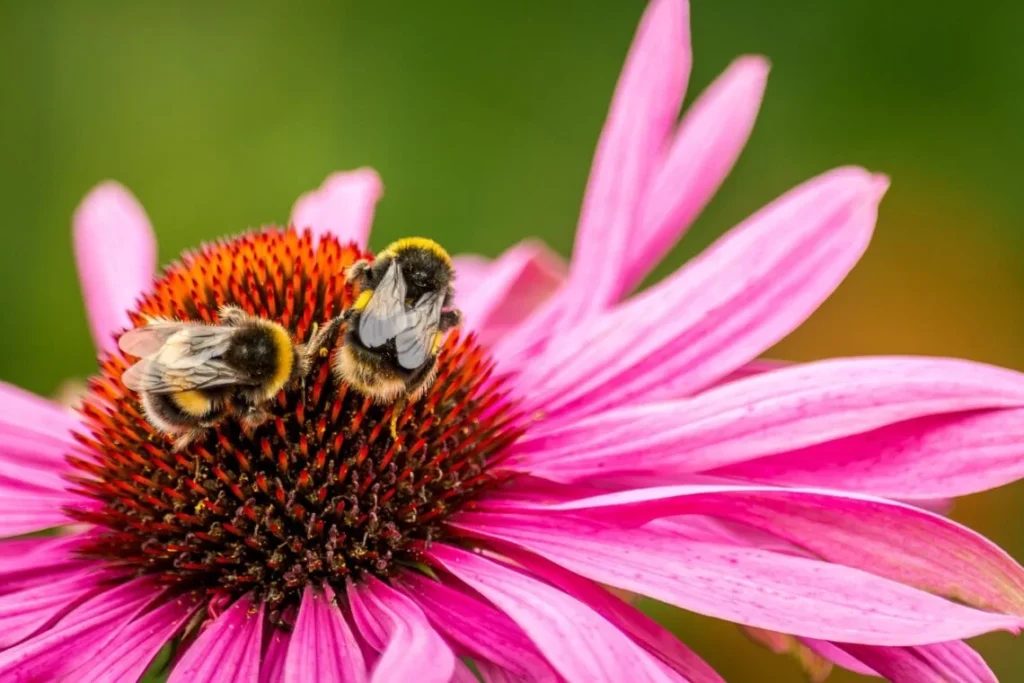
The key comparison is between honeybees (primarily the managed, non-native European honeybee, Apis mellifera) and native bees (over 4,000 species, including bumblebees, mason bees, sweat bees, carpenter bees, mining bees, and others). While honeybees get most of the attention for their role in agriculture, research shows native bees often provide superior, more resilient pollination for home gardens. They align better with true sustainability by supporting biodiversity without the management demands or potential downsides of hives.
Pollination Effectiveness: Native Bees Frequently Outshine Honeybees
Native bees are typically more efficient pollinators on a per-visit basis:
- Studies (including from Cornell University and others) show native bees are 2–4 times more effective per flower visit than honeybees. They transfer more pollen because they’re often “messier” (pollen sticks loosely to hairy bodies rather than being neatly packed into leg baskets like honeybees do).
- Many native species excel at buzz pollination—vibrating flowers to release pollen—essential for crops like tomatoes, blueberries, eggplants, peppers, cranberries, and squash. Honeybees lack this technique and can be less effective or even act as “nectar robbers” on some plants.
- Native bees work in cooler, wetter, or early/late conditions where honeybees may stay in the hive, providing more consistent pollination across seasons.
- In diverse gardens, a mix of native species ensures reliable results; relying on one species (like honeybees) can lead to vulnerabilities.
Native bees have co-evolved with North American plants for millions of years, making them ideal for local wildflowers, fruits, and veggies in backyard settings.
Pros and Cons Comparison
Native Bees (Wild/Solitary/Social U.S. Species)
Pros:
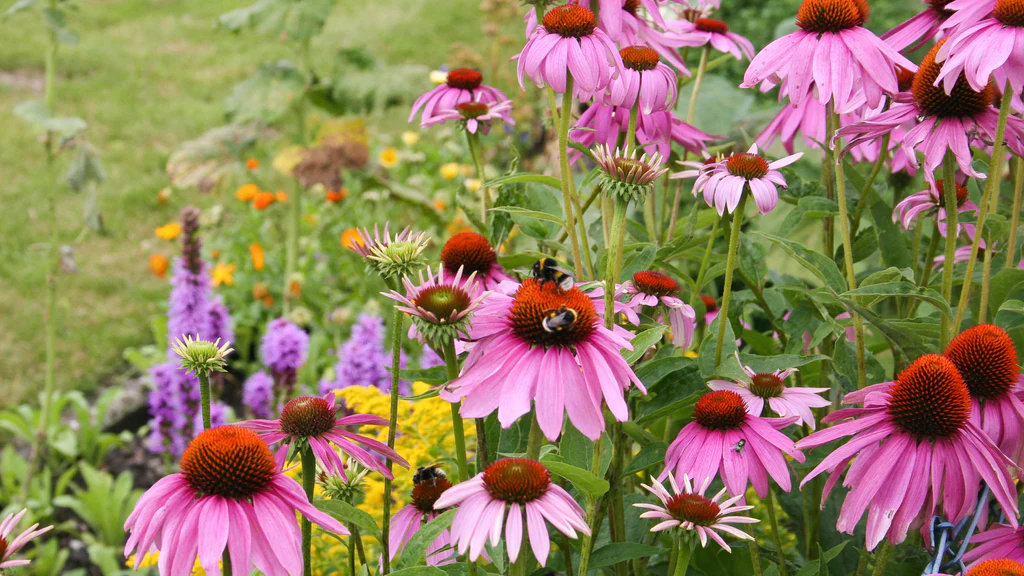
- Superior per-visit pollination efficiency, especially for native and many garden crops.
- No maintenance required—encourage them naturally for low-effort, high-impact results.
- Enhance biodiversity: Support ecosystems, butterflies, birds, and rare plants.
- Mostly non-aggressive (solitary bees rarely sting; no hive defense).
- Resilient to local conditions; less affected by diseases/parasites that plague managed colonies.
- Perfect for U.S. backyards: From small urban lots to larger suburban spaces, they thrive with minimal intervention.
Cons:
- Populations depend on habitat quality—no “ordering” more like managed bees.
- No honey or wax harvest (though some provide minor benefits).
Honeybees (Managed Hives, Apis mellifera)
Pros:
- Large colonies deliver high-volume pollination—great for boosting yields in bigger gardens or orchards.
- Produce harvestable honey, beeswax, and propolis for home use.
- Educational and engaging to observe.
- Forage widely, benefiting surrounding areas.
Cons:
- Non-native; can compete with natives for limited floral resources, potentially reducing native bee numbers (a single hive’s pollen needs equate to supporting tens of thousands of solitary natives).
- Risk transmitting diseases/parasites to wild populations.
- Require significant management (monitoring for mites/diseases, feeding in poor seasons, winter prep)—not truly low-maintenance.
- Less effective for certain plants (no buzz pollination; sometimes inefficient transfer).
- In resource-limited urban/suburban areas, high hive numbers can crowd out natives.
Many experts (Xerces Society, USGS, and others) emphasize that while honeybees are vital for large-scale agriculture, backyard efforts should prioritize natives to avoid unintended harm.
Best Approach for U.S. Backyard Gardens
Across the country—from Northeast orchards to Midwest prairies, Southern veggie patches, or Western coastal plots—focus on native bees for sustainable, resilient pollination:
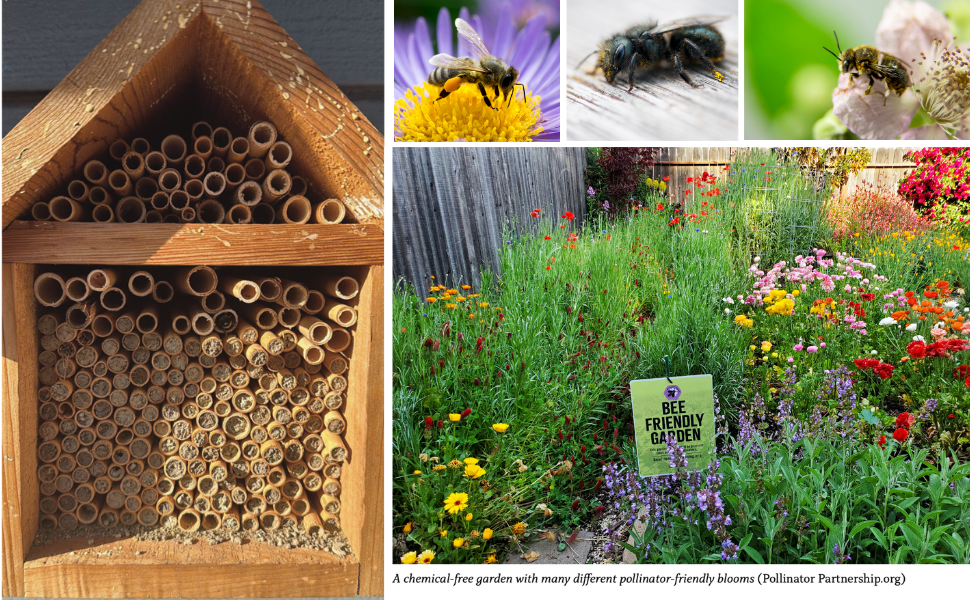
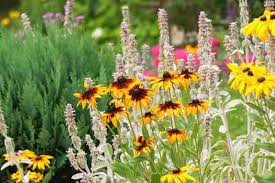
- Plant diverse native flowers: Use regional guides (e.g., from Xerces Society, USDA Forest Service, or state extensions) for species like coneflowers (Echinacea), black-eyed Susans (Rudbeckia), bee balm (Monarda), goldenrod, asters, milkweed (Asclepias), sunflowers, blazing star (Liatris), and wild bergamot. Aim for blooms from spring through fall.
- Provide habitat: Install bee hotels or nesting blocks for cavity-nesters (mason bees, leafcutters); leave bare soil patches or mulch-free areas for ground-nesters; add shallow water sources with pebbles.
- Avoid pesticides: Rely on your chickens, ducks, and rabbits for natural pest control.
- If you want honey or managed pollination: Check local regulations (many cities allow limited hives with setbacks; some states require registration). Start small with healthy practices, and plant abundantly to minimize competition.
The ideal setup supports both by creating floral abundance—natives draw wild bees first, while extra resources help honeybees without heavy impact. Diverse pollinators mean better fruit set on tomatoes, berries, apples, squash, and more.
Native bees embody eco-friendliness: They’re America’s original pollinators, require zero inputs, and deliver efficient, biodiverse results. By focusing on habitat (plant natives, provide nesting), your backyard becomes a thriving pollinator sanctuary—healthier harvests, stronger ecosystems, and the simple joy of watching these vital workers in action. Start with regional native plants, and consider a small hive only if it fits your goals and local rules!
By prioritizing native plants and simple enhancements, you create a thriving pollinator corridor that boosts yields, supports biodiversity, and complements your existing system (chickens/ducks for pests, rabbits for fertilizer, butterflies/hummingbirds/moths for diversity, birds/bats for control).
Core Steps for Success
- Plant Diverse Native Flowers Use regional guides from the Xerces Society (xerces.org), USDA Forest Service, or your state extension service—enter your zip code for tailored lists. Aim for a succession of blooms from early spring through fall to support multiple generations and species. Key nationwide favorites:
- Coneflowers (Echinacea spp.)
- Black-eyed Susans (Rudbeckia spp.)
- Bee balm (Monarda spp.)
- Goldenrod (Solidago spp.)
- Asters (Symphyotrichum spp.)
- Milkweed (Asclepias spp.)
- Sunflowers (Helianthus spp.)
- Blazing star (Liatris spp.)
- Wild bergamot (Monarda fistulosa)









Leave a Reply