



Cats are notoriously stoic creatures, but when it comes to their digestive systems, they often send clear signals that something is wrong. Whether it’s a sudden episode of vomiting, a lingering case of diarrhea, or a finicky eating pattern, digestive issues are among the most common reasons pet parents seek veterinary advice,consider telehealth Vet for Digestive Problems of your cat.
Impact-Site-Verification: e7f31f28-4917-4b49-9355-edb62de6f2be

🐾 SUGGESTED USE (per label)
Shake well. Give directly by mouth or mix into pet’s food.
| UNDER 10 LBS | → 1 dropper |
| 10–35 LBS | → 2 droppers |
| 36+ LBS | → 3 droppers |
* Use once or twice a day. 2 oz bottle provides approx. 1200 drops.
🇺🇸 Made in USA | Distributed by Golden Paw, Libertyville, IL
GoldenPaw Probiotic for Pets
Liquid Digestion Balance
🔒 Secure transaction · Authorized retailer
📦 Note: Check seller availability and shipping options. Small business product.
This content is part of a paid promotional campaign. As mandated by applicable advertising guidelines, platform policies, and campaign terms, the following disclosure applies: “This post includes an affiliate or sponsored link to Amazon. As an Amazon Associate / campaign participant, we earn from qualifying purchases.”
Transparency commitment: The relationship with the brand and retailer is clearly stated. No misleading claims are made. This disclosure is an unavoidable, permanent part of this content as required by campaign terms.
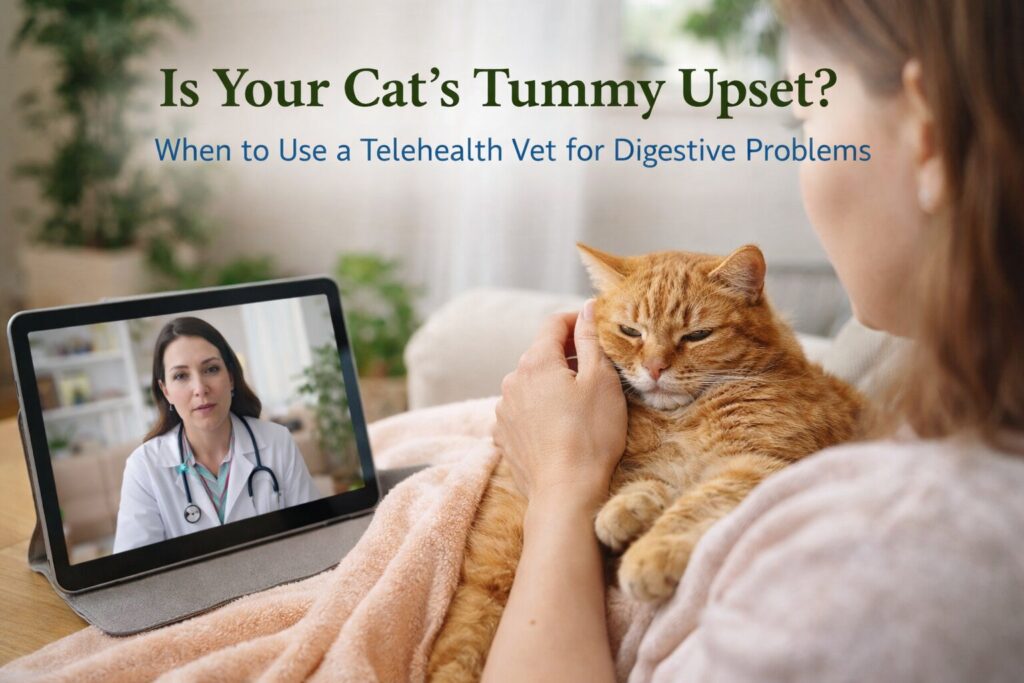
However, a trip to the physical clinic can be stressful for both you and your feline friend. The carrier, the car ride, the strange smells, and the waiting room can send a cat’s stress levels—and subsequently their digestion—into a tailspin. This is where telehealth veterinary services are revolutionizing pet care.
But can a vet really help a cat with tummy trouble through a screen? The answer is often yes—provided you know when to use it and what to expect.
🐱 Telehealth Vet To-Do List
Prep for your cat’s digestive health consult — step by step. Check items as you go.
💡 Each accordion = one prep category. Expand and tick tasks.
The Rise of the Virtual Vet Visit
Telehealth in veterinary medicine isn’t meant to replace hands-on care, but rather to serve as a triage tool and a convenience option for non-emergencies. For cats with digestive problems, a video consultation can be the first and best line of defense.
Common Feline Digestive Issues Suited for Telehealth
While a virtual vet cannot perform an abdominal palpation or take X-rays, they can gather a massive amount of information through observation and your history. Consider a virtual consult for these scenarios:
- Chronic Vomiting (Hairballs vs. Illness): If your cat vomits occasionally, it might be a hairball. But if vomiting becomes frequent, a vet can observe your cat’s behavior, breathing, and appearance via video to determine if this is a dietary issue, a sensitivity, or a sign of something like inflammatory bowel disease (IBD).
- Dietary Indiscretion: Did your cat get into the garbage or steal a piece of people food? A telehealth vet can help you decide if you need to monitor at home or head to an emergency room.
- Changes in Appetite: A cat refusing to eat can develop hepatic lipidosis (liver failure) quickly. A virtual vet can assess your cat’s hydration levels (by looking at the eyes and mouth) and advise you on immediate appetite stimulants or fluid therapy needs.
- Litter Box Issues: While they can’t test a stool sample remotely, they can guide you on how to collect one, and discuss the nuances of your cat’s diarrhea or constipation to rule out parasites or obstruction risks.
The Benefits of Going Virtual for Tummy Troubles
- Reduced Stress: Cats are creatures of habit. Stress can exacerbate digestive issues like colitis or stress-induced cystitis (which often mimics digestive pain). Consulting from the safety of their home environment keeps them calm and allows for a more accurate assessment of their baseline behavior.
- Immediate Triage: Is it a emergency, or can it wait until morning? A telehealth vet can provide that answer in minutes, potentially saving you an unnecessary (and expensive) emergency vet visit—or confirming that you absolutely need to go.
- Dietary Counseling: Nutrition is the cornerstone of digestive health. A virtual vet can review the ingredients of your current food and recommend specific prescription diets, probiotics, or hydrolyzed protein trials without you having to leave the house.
The Limitations: When You Still Need an In-Person Visit
Telehealth is powerful, but it has its limits. You must seek in-person care immediately if you observe any of the following “red flags,” regardless of what a virtual vet says:
- Blood in vomit or stool (especially if it looks like coffee grounds or bright red blood).
- Suspected foreign body ingestion (e.g., you know your cat ate string or a toy).
- Lethargy and collapse.
- Inability to keep water down for more than 12 hours (risk of dehydration).
- A distended, hard, or painful abdomen.
How to Prepare for a Telehealth Vet Appointment
To make the most of your virtual visit, have the following ready:
- A Weight: If you don’t have a baby scale, weigh yourself holding the cat, then weigh yourself alone. Vets need this for medication dosing.
- Video Evidence: If possible, have a video of your cat vomiting or using the litter box. Cats often refuse to perform for the camera during the actual call.
- A Timeline: When did the vomiting start? How many times? What did it look like? (Photos of the vomit/stool are helpful, though unpleasant for you).
- Product Labels: Have your food bag and any supplements or medications handy to show the camera.
The Verdict
Telehealth for cat digestive problems is an excellent tool for modern pet parents. It respects the unique psychological needs of felines by keeping them in their safe zone while providing you with access to professional medical advice.
It bridges the gap between a frantic Google search and a stressful car ride, ensuring that when you do need to go to the clinic, your cat is stable, and you are prepared. Always remember: a virtual vet is your partner in care, helping you decide the safest and smartest path forward for your furry friend’s sensitive stomach.
1️⃣ When should I use a telehealth vet for my cat’s digestive problems?
You can use a telehealth vet when your cat has mild symptoms such as occasional vomiting, soft stools, decreased appetite, or minor stomach discomfort. Telehealth is ideal for early guidance, diet advice, and determining whether in-clinic care is necessary. However, severe symptoms like persistent vomiting, blood in stool, lethargy, or dehydration require immediate in-person veterinary attention.
2️⃣ Can a telehealth vet prescribe medication for my cat’s upset stomach?
In many regions, telehealth vets can provide advice, dietary recommendations, and sometimes prescriptions—especially if they already have a veterinary-client-patient relationship (VCPR) with you. Regulations vary by location, so a virtual vet may guide you on next steps or refer you to a local clinic if medication or diagnostics are needed.
3️⃣ What digestive symptoms in cats are considered emergencies?
Seek urgent veterinary care if your cat shows repeated vomiting, severe diarrhea, blood in vomit or stool, abdominal pain, sudden weakness, refusal to eat for more than 24 hours, or signs of toxin ingestion. Telehealth can help assess urgency, but emergency symptoms should not be managed at home.
Disclaimer: The information provided herein does not constitute professional veterinary advice. Always consult a licensed veterinarian before starting your pet on any new supplement, probiotic, or dietary regimen, especially if your pet is pregnant, nursing, has a pre-existing medical condition (such as immune disorders, pancreatitis, or gastrointestinal disease), or is currently taking medication. Your veterinarian can advise on appropriate dosing, potential interactions, and suitability for your pet’s specific health status.











Leave a Reply