

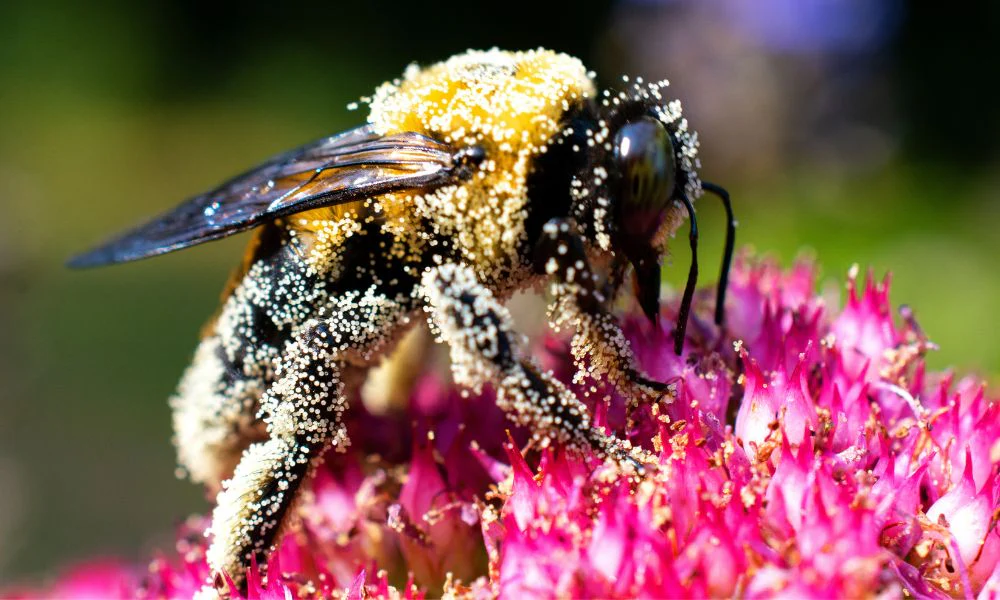
Wild bees—including bumblebees, mason bees, sweat bees, leafcutter bees, and thousands of other native solitary and semi-social species—are essential to North American ecosystems and agriculture. They provide irreplaceable pollination services for wild plants and many crops (e.g., blueberries, tomatoes, squash, cranberries, and almonds) that honey bees often pollinate less efficiently. Unfortunately, many U.S. wild bee populations have declined sharply over the past few decades, with some species—like the rusty patched bumblebee (Bombus affinis) and Franklin’s bumblebee (Bombus franklini)—listed as federally endangered. Others, such as the American bumblebee (Bombus pensylvanicus) and western bumblebee (Bombus occidentalis), have lost 50–90% of their historic ranges.
Threats to Honey Bee Populations: A Growing Crisis in 2025–2026
Honey bees (Apis mellifera) remain essential pollinators, supporting roughly one-third of global food crops and billions in agricultural value. However, managed honey bee colonies—especially in the United States—have faced severe, record-breaking declines in recent years. In 2025, commercial beekeepers reported unprecedented losses, with averages of 55–62% of colonies dying between 2024 and 2025 (some surveys showing up to 70% or more in certain periods). This marks the highest annual losses on record for consecutive years, threatening pollination services, food security, and beekeeping livelihoods. While managed honey bee numbers are often stabilized by beekeepers splitting and replacing colonies, the underlying stressors are intensifying, leading to higher replacement costs, reduced hive availability, and risks to crops like almonds, berries, and fruits.
The causes are multifactorial—rarely a single "smoking gun"—but interact synergistically to weaken colonies. Here's a breakdown of the major threats:
1. Parasites and Pathogens (The #1 Driver in Recent Crises)
- Varroa destructor mites — These parasitic mites are the most devastating threat. They feed on bees, weaken their immune systems, and transmit deadly viruses like Deformed Wing Virus (DWV), Acute Bee Paralysis Virus, and others.
- In 2025, widespread miticide resistance (especially to amitraz, a key treatment) was identified in nearly all sampled Varroa populations, making control extremely difficult. This resistance, combined with high virus loads, is widely linked to the mass collapses seen in early 2025 (e.g., 60–100% losses in many commercial operations).
- Other pathogens include Nosema gut parasites and emerging viruses, which spread rapidly in stressed colonies.
2. Pesticides and Chemical Exposures
- Bees encounter neonicotinoids, fungicides, and other agrochemicals while foraging on treated crops. These cause sublethal effects: impaired navigation, reduced foraging, weakened immunity, and shortened lifespans.
- Even low-level exposure amplifies other threats by suppressing bee defenses against mites and viruses. In-hive miticides add to the chemical load, and resistance in pests worsens the cycle.
3. Habitat Loss and Poor Nutrition
- Loss of diverse forage due to monoculture farming, urbanization, and land conversion reduces access to nutritious pollen and nectar.
- Poor nutrition weakens bee immunity, larval development, and colony resilience, making them more vulnerable to diseases and stress.
4. Climate Change and Extreme Weather
- Shifting seasons disrupt bloom timing (bees emerge before or after flowers), extreme heat/cold stresses colonies, and changing weather patterns spread pests/pathogens faster.
- Droughts and floods reduce forage quality, while warmer winters allow more mite reproduction.
5. Other Contributing Factors
- Colony management stresses — Transportation for pollination (e.g., almond orchards), overcrowding, and poor winter prep.
- Emerging issues — In some cases, trade policies, labor shortages, or even unrelated factors like extreme weather events exacerbate losses.
- Note: True Colony Collapse Disorder (CCD)—where adult bees vanish leaving brood and honey—is less common now, but similar sudden die-offs persist, often tied to the above stressors.
Current Status and Outlook
As of early 2026, 2025 is widely regarded as the worst year on record for U.S. honey bee losses, with over 1.6 million colonies reported lost in some periods. This has driven up pollination fees, risked crop shortages, and strained beekeepers economically (losses estimated in hundreds of millions). While global managed honey bee numbers aren't in immediate extinction risk (thanks to active management in some regions like Asia), North American declines highlight urgent needs.
What Can Help?
- Integrated Pest Management (IPM) for Varroa (new treatments, resistant bee stocks).
- Reduced pesticide use, habitat restoration (plant bee-friendly flowers), and supportive policies.
- Research into probiotics, mite-resistant bees, and climate adaptation.
Honey bees aren't going extinct anytime soon, but the unsustainable losses threaten the delicate balance of our food systems. Supporting local beekeepers, choosing pollinator-friendly practices, and advocating for bee-protective measures can make a real difference. 🐝
Conservation efforts across the U.S. have accelerated in 2025–2026, driven by federal agencies, nonprofits, universities, and community groups. Here’s a look at the key initiatives, successes, and ways everyday Americans can help.
Major National and Federal Efforts
- U.S. Fish and Wildlife Service (USFWS) Protections
- The rusty patched bumblebee (endangered since 2017) received proposed critical habitat designations in 2025, covering key areas in 13 states (Illinois, Indiana, Iowa, Maine, Massachusetts, Michigan, Minnesota, New York, Ohio, Pennsylvania, Virginia, West Virginia, Wisconsin).
- In January 2026, USFWS proposed a nationwide Conservation Benefit Agreement for 11 at-risk bumblebee species. This streamlined permitting program allows energy and transportation projects to proceed while funding habitat restoration, pesticide buffers, and monitoring on millions of acres of public and private land. Public comment period closed in February 2026.
- State-Level Listings and Recovery Plans
- States like Illinois (2025), California, Oregon, and Washington have added multiple bumblebee species to endangered/threatened lists.
- Recovery plans emphasize habitat corridors, captive breeding (for species like Franklin’s), and reintroduction trials.
- Xerces Society for Invertebrate Conservation
- Leads the Bee City USA and Bee Campus USA programs—over 200 certified communities and campuses (as of 2026) commit to pesticide-free landscaping, native plantings, and nesting habitat creation.
- Publishes regional guides (e.g., for the Midwest, Northeast, West Coast) on creating pollinator gardens, hedgerows, and no-mow areas.
- Pollinator Partnerships and Federal Initiatives
- The Pollinator Partnership runs the Monarch Joint Venture and broader pollinator habitat programs, including grants for farmers and landowners to plant wildflower strips, cover crops, and buffer zones.
- USDA’s Natural Resources Conservation Service (NRCS) offers cost-share programs (e.g., EQIP, CSP) for pollinator-friendly practices like reduced tillage, integrated pest management, and native seeding on farms.
Regional and Community-Led Actions
- Midwest and Northeast — Focus on rusty patched and American bumblebee recovery through prairie restoration, urban green spaces, and university-led monitoring (e.g., University of Minnesota, Cornell).
- West Coast — Efforts target western bumblebee declines with habitat protection in national forests, solar pollinator projects (flower-rich under solar panels), and restrictions on commercial bumblebee movement to prevent disease spread.
- Southeast and South — Work on American bumblebee includes roadside wildflower plantings and advocacy against broad-spectrum insecticides.
Emerging and Innovative Approaches (2025–2026)
- Solar Pollinator Habitats — Hundreds of solar farms now incorporate native wildflowers, boosting bee populations while generating clean energy.
- Citizen Science — Apps like iNaturalist and Bumble Bee Watch allow people to submit sightings, helping track trends and identify priority areas.
- Pesticide Advocacy — Groups push for stronger EPA restrictions on neonicotinoids and other bee-toxic chemicals; some states (e.g., Maryland, New Jersey) have enacted partial bans or warning labels.
- Research Advances — Studies on heat-tolerant strains, pathogen-resistant bees, and microplastic impacts inform future strategies.
What You Can Do Right Now (Practical Steps for Americans)
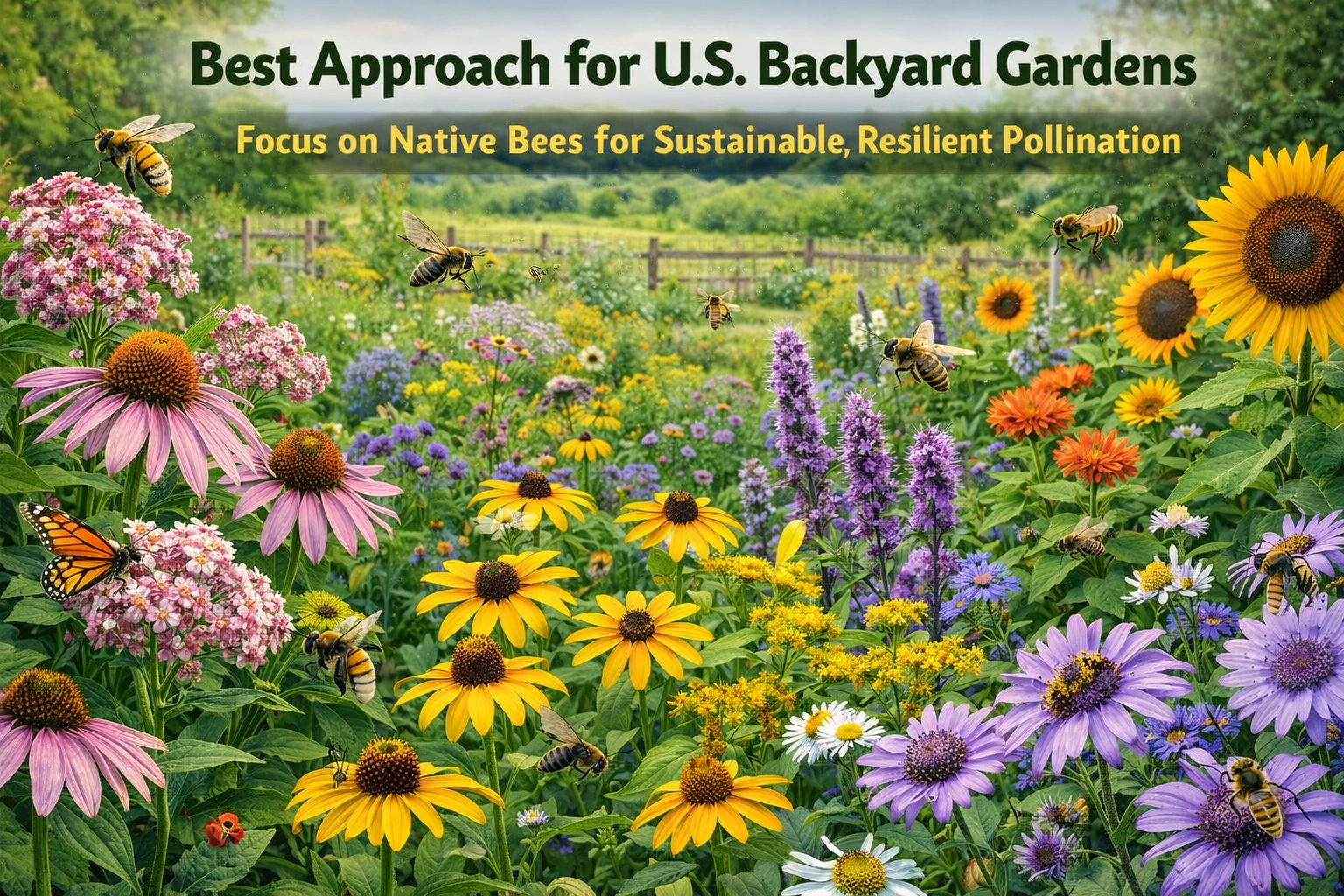
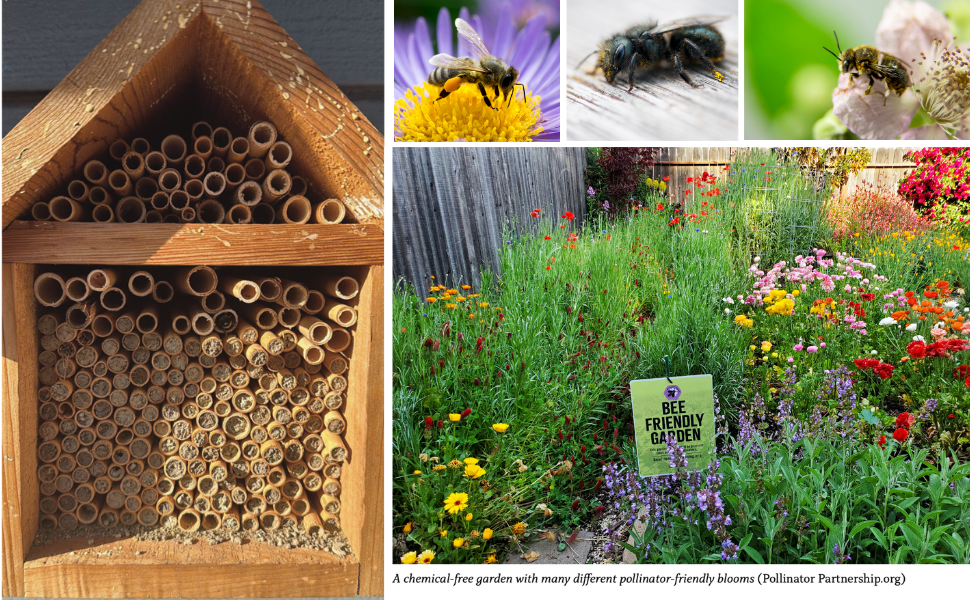
- Plant native wildflowers (e.g., bee balm, coneflower, goldenrod, asters) in yards, community spaces, or window boxes—choose species suited to your region via the Xerces or Pollinator Partnership plant lists.
- Leave bare soil patches, dead wood, or grass tussocks for ground-nesting bees; install bee hotels for cavity nesters.
- Avoid or minimize pesticides—opt for mechanical weed control or organic alternatives.
- Support local farms using pollinator-friendly practices and buy produce from them.
- Participate in citizen science by photographing and reporting bees on iNaturalist or Bumble Bee Watch.
- Advocate: Contact representatives to support pollinator habitat funding and pesticide reforms.
Wild bee conservation in the U.S. is making measurable progress through science, policy, and grassroots action. Every garden, farm, campus, and community that prioritizes native bees helps reverse declines and safeguard the pollination backbone of American agriculture and wild ecosystems. Together, we can keep the buzz alive! 🐝
Bumblebees (Bombus species) are vital wild pollinators, excelling at buzz pollination for crops like tomatoes, blueberries, peppers, and squash—often outperforming honeybees in certain conditions. However, many species face steep declines, with some North American bumblebees experiencing range losses of 20–90% and relative abundance drops of 50–96% in recent decades. In 2024–2025, reports from regions like the UK and parts of the US highlighted some of the worst years on record for bumblebee sightings, driven by extreme weather and cumulative stressors. While not all species are equally affected (common ones like Bombus impatiens remain stable), imperiled species like the rusty patched bumblebee (Bombus affinis, federally endangered in the US), American bumblebee (Bombus pensylvanicus, petitioned for ESA listing), western bumblebee (Bombus occidentalis), and yellowbanded bumblebee show dramatic collapses. Globally, over 25% of assessed North American bumblebees face extinction risk per IUCN evaluations.
The causes are complex and interactive—no single factor dominates, but synergies amplify impacts. Here's a breakdown of the major threats based on recent research (up to 2025–2026):
1. Habitat Loss and Fragmentation (A Core Long-Term Driver)
- Conversion of meadows, grasslands, and wildflower-rich areas to agriculture, urban development, and monocultures reduces nesting sites (underground burrows, grass tussocks) and diverse forage.
- Fragmentation isolates populations, limiting gene flow and recolonization. This has shrunk ranges for species like the American bumblebee (disappeared from 8+ US states) and western bumblebee.
2. Pesticides (Especially Neonicotinoids and Other Neurotoxins)
- Widespread use of neonicotinoids, fungicides, and other agrochemicals causes sublethal effects: impaired navigation, reduced foraging, weakened immunity, brain damage in larvae, and higher mortality.
- Studies link higher pesticide application areas to lower bumblebee occurrence, with neonics particularly harmful as they persist in pollen/nectar. Combined with heat stress, they devastate colony development and longevity.
3. Pathogens and Parasites (Often the Dominant Recent Factor)
- Nosema bombi (a microsporidian gut parasite) and viruses (e.g., deformed wing virus) spread rapidly, often linked to escaped pathogens from commercially reared bumblebees used in greenhouses.
- High prevalence in declining species (e.g., 15%+ infection rates vs. stable ones). Pathogens weaken colonies synergistically with other stressors, contributing to rapid collapses in the 1990s–present for rusty-patched, yellowbanded, and others.
4. Climate Change and Extreme Weather
- Bumblebees are cold-adapted (fuzzy bodies suit cooler climates), but rising temperatures, heatwaves, droughts, and mismatched bloom timing squeeze ranges.
- Populations shift north or to higher altitudes, but southern/lower-elevation groups disappear ("range squeeze"). Extreme events (e.g., wet springs, hot summers in 2022–2024) reduce queen survival, foraging, and brood success—leading to record-low numbers in some years (e.g., UK Bumblebee Conservation Trust reported 2024 as the worst on record).
5. Other Emerging and Interacting Threats
- Invasive species (e.g., competition or pathogen spillover from non-native bees).
- Low genetic diversity/inbreeding (e.g., in rare species like Franklin's bumblebee, declines trace back millennia but worsen with modern stress).
- Emerging risks (per 2025 reports): microplastics, light pollution, warzones/disrupted habitats, and intensified natural events like wildfires/droughts.
Current Outlook (as of Early 2026)
Declines continue, with 2024–2025 marking severe setbacks in multiple regions due to weather extremes and persistent stressors. Conservation efforts include USFWS critical habitat proposals (e.g., for rusty-patched), petitions for ESA listings (American bumblebee), habitat restoration, reduced pesticide use, and regulations on commercial bumblebee movement to curb disease spread. Unlike managed honeybees, wild bumblebees lack easy replacement, making losses harder to mitigate.
Bumblebees' decline threatens food security, biodiversity, and ecosystems—protecting them means planting native flowers, avoiding pesticides, supporting pollinator-friendly policies, and creating habitat corridors. Every garden or farm that helps counts! 🐝




Leave a Reply