



Bloat, medically known as Gastric Dilation and Volvulus (GDV), is one of the most terrifying emergencies a dog owner can face. It is a rapidly progressing, life-threatening condition where a dog’s stomach fills with gas and may twist upon itself, cutting off blood flow and causing shock, organ damage, and death if not treated immediately .What breeds are most prone to bloat?”
The most critical thing to know: This is not a condition you can manage at home. If you suspect bloat, you must go to a veterinarian or emergency animal hospital immediately. Even with aggressive treatment, the mortality rate ranges from 20% to 45% .
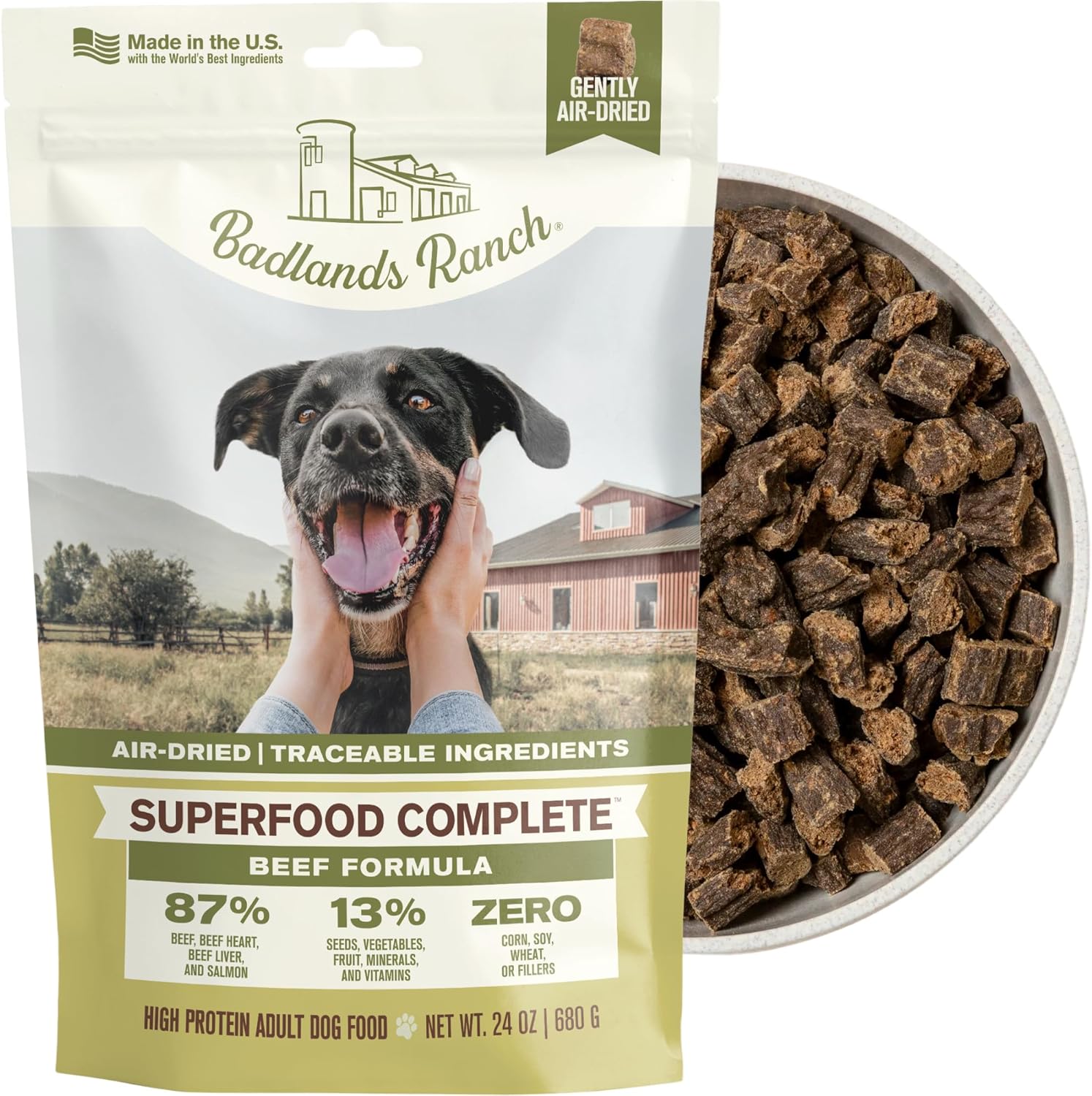
🐾 Affiliate Picks: Top Dog Wellness
Hand-picked supplements & treats for your furry friend — each product chosen for quality, ingredients, and real customer love. Click any button to shop on Amazon.
This page contains affiliate links. As an Amazon Associate and campaign participant, we earn from qualifying purchases made through these links. There is no extra cost to you. Each product link is individually tracked for this promotional campaign. Transparency is our commitment — we only recommend products we genuinely believe support pet wellness.
Below is a comprehensive guide covering every question you asked about this devastating condition.
What Are the First Signs of Bloat in Dogs?
The earliest signs of bloat can be subtle, but they progress frighteningly fast—often within a matter of hours . Knowing what to look for can mean the difference between life and death.
Early warning signs include:
- Restlessness, Pacing, and Anxiety: Your dog may seem unable to settle down. They might constantly shift positions, pace around the house, or show signs of general unease, especially after eating a large meal .
- Drooling or Excessive Salivation: An unusual amount of drooling can be a subtle early sign of nausea or significant abdominal discomfort .
- Unproductive Retching (Dry Heaving): This is arguably the most telltale early sign. Your dog will try to vomit, often gagging or heaving, but little to no vomit will be produced because the gas is trapped in the stomach. They may only bring up small amounts of foamy saliva .
- Looking at or Biting at Their Abdomen: Dogs often turn their heads to look at or nip at the area where they feel pain. With bloat, this means staring at their flank or side .
- Abdominal Distention (Swollen Belly): The abdomen may become visibly enlarged, tight, and hard to the touch. In some cases, tapping on the swollen area will produce a hollow sound like a drum .
What Breed of Dog Is Prone to Bloat?
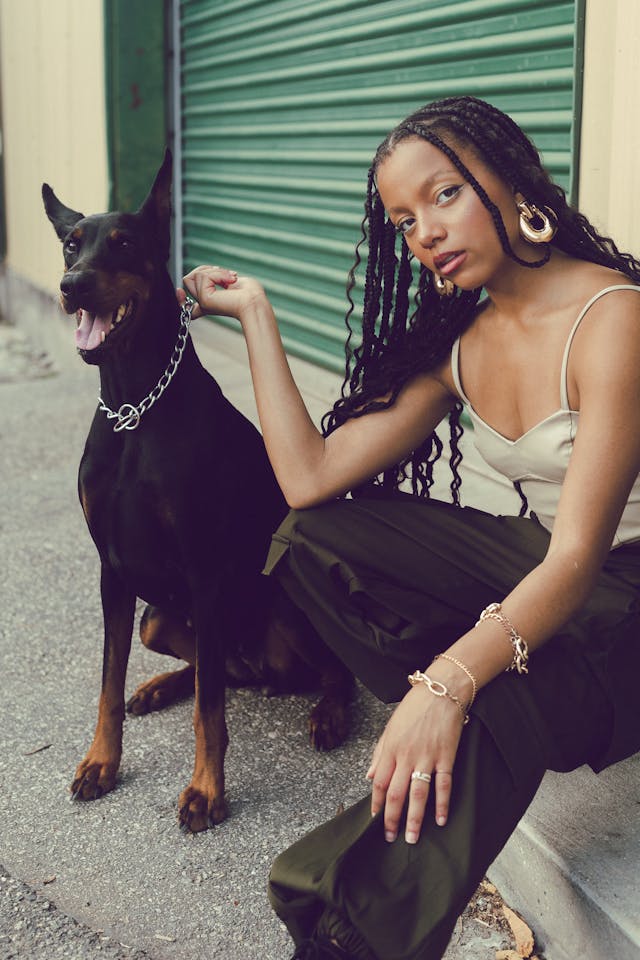
While any dog can experience bloat, it overwhelmingly affects large and giant breeds with deep, narrow chests .
Breeds at highest risk include:
- Great Danes (often cited as the highest risk breed)
- German Shepherds
- Standard Poodles
- Weimaraners
- Doberman Pinschers
- Irish Setters
- Gordon Setters
- Saint Bernards
- Basset Hounds (a smaller breed with a deep chest)
Smaller Breeds That Are Still at Risk
- Although bloat overwhelmingly affects large dogs, there is one notable exception: the Basset Hound. Despite being a smaller breed, the Basset Hound has a deep, barrel-shaped chest that puts it at higher-than-normal risk .
- Other deep-chested medium-large breeds such as Akitas and Old English Sheepdogs are also considered at increased risk .
- Why These Breeds?
- The primary anatomical factor is deep, narrow thoracic conformation—what veterinarians call a “deep-chested” dog . These dogs have a tall, narrow ribcage that provides more vertical space for the stomach to move and potentially rotate . In deep-chested dogs, the stomach sits less securely in the abdomen, which may allow it to twist more easily when filled with gas.
- Other contributing factors that make certain breeds more susceptible include:
- Genetics: Dogs with a first-degree relative (parent, sibling, or offspring) who has had bloat have a 63% higher risk of developing it themselves
- Age: Risk increases 20% each year after age 5 for large breeds, and after age 3 for giant breeds
- Body condition: Lean, thin dogs are actually at higher risk than overweight dogs—a lean body leaves more abdominal room for the stomach to shift
- What If Your Dog Is a Mixed Breed?
- If your dog is a mix of any of the high-risk breeds, you should still be vigilant. Deep-chested mixed-breed dogs are also at increased risk . Look at your dog’s physical build: if they have a narrow, deep ribcage and a tucked-up waist, they likely have the conformation that predisposes to GDV.
- What To Do If You Own A High-Risk Breed
- Knowing that your breed is predisposed should not cause panic, but it should prompt action:
- Memorize the signs (restlessness, unproductive retching, swollen hard belly, drooling)
- Feed 2-3 small meals daily instead of one large meal
- Restrict exercise for 1 hour before and 2 hours after meals
- Avoid elevated food bowls (they may increase risk)
- Consider prophylactic gastropexy—a surgical procedure that “tacks” the stomach to the abdominal wall, preventing twisting if bloat occurs. This is often done during spay/neuter
- The bottom line: If you own a Great Dane, German Shepherd, Standard Poodle, Weimaraner, Doberman, St. Bernard, or Basset Hound, you own a breed that is statistically prone to bloat. Early recognition saves lives, so know the signs and have an emergency plan.
Other risk factors include:
- Age: Risk increases as dogs get older .
- Sex: Male dogs are more likely to bloat than females .
- Body Condition: Dogs with a lean body condition and lower body weight are at increased risk .
- Genetics: Dogs with a first-degree relative (parent or sibling) who has suffered from bloat are at significantly higher risk .
- Temperament: Anxious, fearful, or aggressive dogs seem to have a higher incidence of GDV .
What Causes Bloat in Dogs?
The exact cause of GDV isn’t fully understood, but it is believed to result from a combination of factors that lead to gas accumulation and subsequent twisting of the stomach .
Common contributing factors include:
- Eating Habits: Rapid consumption of a large meal, especially dry food, can lead to excessive air swallowing .
- Exercise After Eating: Engaging in strenuous activity immediately before or after a meal is a known trigger .
- Feeding Schedule: Once-daily feeding of a large volume of food increases risk compared to feeding smaller, multiple meals .
- Stress: Stressful events, including boarding, travel, or changes in routine, can be contributing factors .
- Elevated Food Bowls: Contrary to old beliefs, raising food bowls may actually increase the risk of bloat and is no longer recommended .
Stomach Bloat in Dogs Symptoms: The Full List
As bloat progresses from simple distention to a twisted stomach (volvulus), the symptoms become more severe and obvious.
Full list of bloat symptoms in dogs:
- Distended, hard abdomen (swollen belly)
- Unsuccessful vomiting/retching (dry heaving)
- Restlessness and pacing
- Excessive drooling/salivation
- Panting and difficulty breathing (the swollen stomach pushes on the diaphragm)
- Signs of abdominal pain (whining, groaning, or crying out when the belly is touched)
- The “Downward Dog” or “Prayer Position” (dog stretches front legs down, keeping rear end up, to try to relieve pressure)
- Weakness and collapse
- Pale mucous membranes (gums)
- Rapid heart rate (tachycardia)
Bloat in Dogs Symptoms Back Legs: Why Does This Happen?
A specific and alarming sign of advanced bloat involves the back legs. Owners may notice their dog’s hind legs seem weak, wobbly, or the dog may be unable to stand properly.
Why this happens: As the stomach fills with gas and twists, it puts immense pressure on major blood vessels (specifically the vena cava), preventing blood from returning from the hind legs and abdomen back to the heart . This causes blood to pool at the back of the body, leading to progressive weakness in the hind limbs. As the condition deteriorates into hypovolemic shock, the dog will become unable to walk and may collapse entirely .
Will Dog Bloat Go Away on Its Own?
Absolutely not. This is a medical emergency that will not resolve without veterinary intervention.
Many people mistakenly believe their dog just has “gas” or an upset stomach. However, with GDV, the stomach is physically twisted, sealing off both the entrance and exit. The gas has nowhere to go, and the condition will only worsen .
Waiting or attempting home remedies will cost your dog’s life. Even in the mildest case of bloat—which is extremely rare—dogs die without treatment . Without intervention, a dog can go into shock and die within one to two hours of symptoms appearing .
How to Relieve Bloat in Dogs (The Only Safe Answer)
There is no safe or effective home remedy for bloat. Do not attempt to relieve bloat yourself by giving anti-gas medications (like Gas-X), massaging the belly, or trying to make your dog vomit. These actions can make the situation worse and delay life-saving treatment.
The only way to relieve bloat is through immediate veterinary treatment.
Veterinarians follow a specific emergency protocol :
- Stabilization (Treating for Shock): The first priority is to treat shock with IV fluids, pain medication, and oxygen therapy. Fluids are given through a large-bore catheter in the front legs (hind leg veins are avoided because the swollen stomach blocks blood return from the back of the body) .
- Gastric Decompression (Releasing the Gas): The veterinarian will attempt to pass a tube (orogastric tube) down the esophagus and into the stomach to release trapped gas. If the stomach is twisted, the tube cannot pass. In that case, the vet may insert a large needle directly through the abdominal wall into the stomach (trocarization) to release the gas .
- X-rays (Diagnosis): X-rays are taken to confirm whether the stomach is simply dilated (bloated) or twisted (volvulus) .
- Emergency Surgery: If the stomach is twisted, surgery is the only treatment. The surgeon will:
- Untwist the stomach back to its normal position.
- Assess the stomach and spleen for damage; any dead tissue must be surgically removed.
- Perform a gastropexy—a procedure where the stomach is surgically “tacked” to the abdominal wall. This does not prevent future bloating, but it prevents the stomach from twisting again, reducing recurrence risk by up to 90% .
Dog Bloat Timeline: How Fast Does It Happen?
Bloat is a rapidly progressing emergency. The timeline varies but is measured in hours—not days.
- 0-1 hour: Early signs appear: restlessness, pacing, drooling, unproductive retching. The abdomen may start to look swollen .
- 1-2 hours: The condition progresses to shock. The dog becomes weak, the heart rate spikes, gums become pale, and the back legs may become weak or collapse .
- 2+ hours without treatment: The risk of death increases dramatically. The stomach tissue may begin to die (necrosis). Even with treatment, survival rates drop significantly after this point .
Key takeaway: If you see symptoms, you need to be at the emergency vet within an hour for the best chance of survival.
Dog Bloat Treatment and Prognosis
Treatment is aggressive, intensive, and expensive, often requiring surgery followed by several days of hospitalization.
Treatment steps:
- Emergency stabilization (IV fluids, pain control, oxygen)
- Gastric decompression (releasing the gas)
- Surgery to untwist the stomach and perform a gastropexy (tacking procedure)
- Post-operative monitoring for cardiac arrhythmias, which are common after GDV
Prognosis: Even with treatment, 20-45% of dogs with GDV will die . The prognosis depends on:
- How quickly treatment is started
- Whether the stomach or spleen tissue has died (requiring removal)
- Whether the dog develops severe cardiac arrhythmias or other complications
Dog Bloated Stomach Home Remedy: A Warning
There are no effective home remedies for GDV bloat.
If your dog’s stomach is simply “gassy” from eating something that didn’t agree with them, the symptoms will be mild (slight discomfort, passing gas normally) and the abdomen will not become rock-hard or drum-like. In that case, withholding food for 12 hours and offering a bland diet later may help.
However, you cannot tell the difference between simple gas and life-threatening GDV at home. If there is any doubt—especially if you see retching, restlessness, or a swollen hard belly—do not attempt home treatment. Go to the vet immediately.
Prevention: How to Reduce the Risk of Bloat
While not all cases of bloat can be prevented, you can significantly reduce your dog’s risk by following these veterinary recommendations :
- Feed multiple small meals daily rather than one large meal.
- Restrict exercise for at least one hour before and two hours after meals.
- Use a slow-feeder bowl to prevent rapid eating.
- Avoid elevated food bowls (they may increase risk).
- Reduce stress during feeding time (feed in a quiet area).
- Keep your dog at a healthy weight (neither obese nor overly lean).
- Consider prophylactic gastropexy for high-risk breeds. This can be done during spay/neuter surgery and prevents the stomach from twisting if bloat occurs later .
Summary Table: Bloat in Dogs
If you ever see your dog trying to vomit without producing anything, with a swollen belly, and acting restless—do not wait. Do not call ahead. Get in the car and drive to the nearest open veterinarian or emergency animal hospital immediately. Their life depends on it.







Leave a Reply