


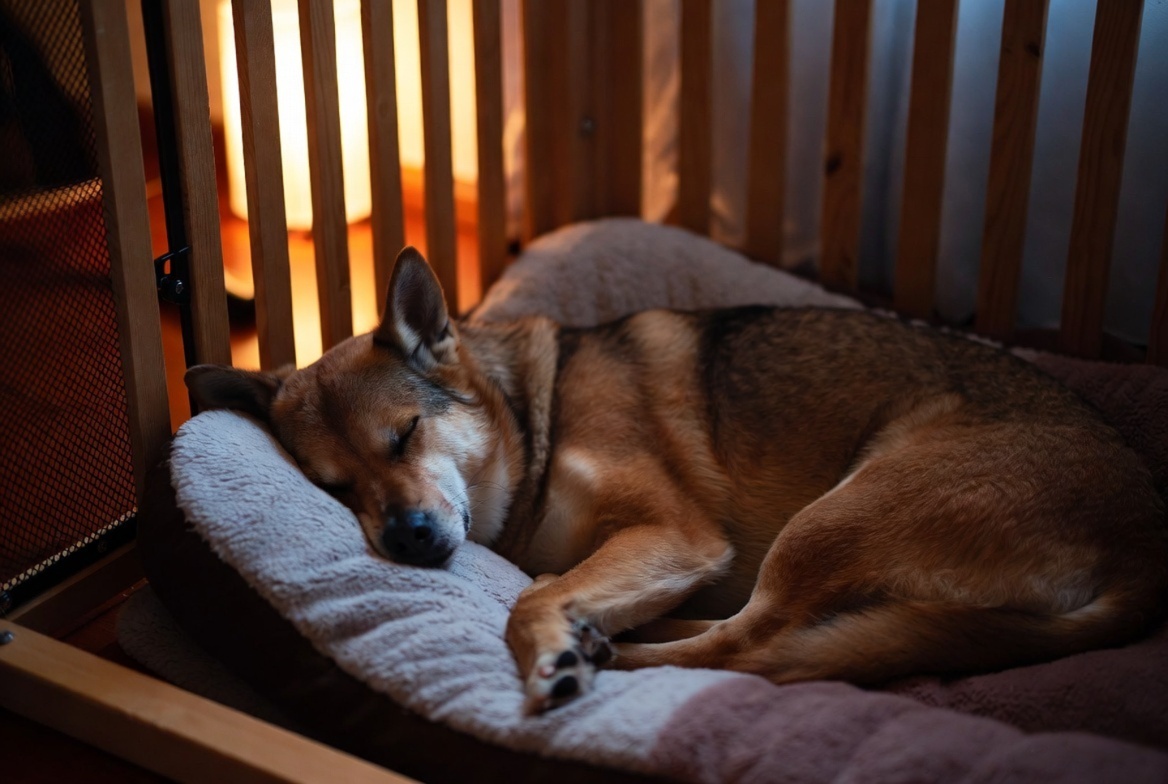
Dog anxiety is more common than most owners realize. From loud noises and separation stress to new environments and past trauma, anxiety can show up as barking, pacing, destructive behavior, or even withdrawal. 🐶 How to Calm an Anxious Dog immediately?The good news is that many cases can be managed effectively using natural, science-backed techniques—without immediately resorting to medication.
🐾 Vet-Recommended & Dog-Approved
When your dog deserves a reward that is both safe and delicious, the Havira Rawhide Free Dog Chew Bone is the clear choice. Formulated with digestible, puffed peanut flavor in a convenient 10-count value pack, these 6–7 inch long chews are designed for daily rewards, training sessions, or calm chewing. Unlike traditional rawhide that can cause dangerous blockages, Havira offers a rawhide-free, easy-to-digest alternative that veterinarians trust and dogs love. Whether you are reinforcing a new command or simply giving your pup a peaceful activity, this chew delivers safety, satisfaction, and flavor in every bone.
📌 Affiliate Disclosure: As an Amazon Associate, I earn a commission from qualifying purchases made through this link at no extra cost to you. Vet recommendation based on product formulation; always consult your veterinarian for specific pet health advice.
When it comes to rewarding your dog for good behavior or simply providing a soothing activity for anxious moments, not all chews are created equal. The Havira Rawhide Free Dog Chew Bone, Puffed Peanut Flavor 10 Count Value Pack, offers a revolutionary alternative to traditional rawhide, which can pose serious risks of blockage or choking.

These 6–7 inch long chews are crafted to be easy to digest, meaning you can feel confident giving them to your pup for daily rewards without worrying about dangerous intestinal obstructions. The irresistible puffed peanut flavor turns every chew session into a moment of pure joy, making them highly effective for training reinforcement, positive behavioral rewards, or simply as a peaceful activity for a dog that needs to settle down.
Beyond safety, the value pack ensures you always have a healthy reward on hand, whether you are teaching a new command, encouraging calm chewing during a storm, or just celebrating your dog being a good companion.
Unlike hard bones that can crack teeth or unpredictable rawhide that swells in the stomach, Havira’s innovative formula offers a consistent, safe texture that breaks down naturally while providing the satisfying crunch and chew time dogs instinctively crave. For pet owners who want to reward their furry family member without compromising on health, the Havira Rawhide Free Dog Chew Bone delivers the perfect balance of flavor, function, and peace of mind—making every treat a loving, safe choice.
This complete guide walks you through proven, non-invasive ways to calm your dog, improve emotional stability, and build long-term resilience.
🧠 What Causes Anxiety in Dogs?
Understanding the root cause is critical before choosing a solution.
Common Triggers:
- Separation from owners
- Loud noises (fireworks, thunderstorms)
- Changes in environment or routine
- Lack of socialization (especially in puppies)
- Past trauma or neglect

BUGAZOOM Bitter Dog No Chew Spray
🔒 Secure transaction · Ships from Amazon · Minority-Owned Business
This content is part of a paid promotional campaign. As mandated by applicable advertising guidelines, platform policies, and campaign terms, the following disclosure applies: “This post includes an affiliate or sponsored link to Amazon. As an Amazon Associate / campaign participant, we earn from qualifying purchases.”
Transparency commitment: The relationship with the brand and retailer is clearly stated. No misleading claims are made. This disclosure is an unavoidable, permanent part of this content as required by campaign terms.
Signs of Anxiety:
- Excessive barking or whining
- Pacing, trembling, or hiding
- Destructive chewing
- Panting or drooling without physical exertion
- Loss of appetite
🌿 1. Establish a Calm, Predictable Routine
Dogs thrive on consistency. A structured daily routine reduces uncertainty, which is a major driver of anxiety.
What to do:
- Feed at the same time every day
- Maintain consistent walk and play schedules
- Keep bedtime routines predictable
Why it works:
Predictability creates a sense of control, lowering stress hormones like cortisol.
🏠 2. Create a Safe & Comforting Space
Every anxious dog needs a “go-to” zone where they feel secure.
How to set it up:
- Use a crate, bed corner, or quiet room
- Add soft bedding and familiar scents
- Keep lighting dim and noise minimal
Pro Tip:
Place an item with your scent (like a worn T-shirt) to provide reassurance.
🎶 3. Use Calming Sounds & Music Therapy
Sound has a direct effect on canine nervous systems.
Effective options:
- White noise machines
- Soft classical music
- Special “dog calming playlists”
Best practice:
Play at low volume continuously—not just during stress events.
🐾 4. Exercise: The Most Underrated Anxiety Fix
A tired dog is a calm dog.
Recommended:
- Daily walks (30–60 minutes depending on breed)
- Fetch or interactive play
- Mental stimulation (training sessions)
Why it works:
Exercise releases endorphins and reduces excess nervous energy.
🧩 5. Mental Enrichment & Distraction
Keeping your dog mentally engaged prevents fixation on stress triggers.
Tools to use:
- Puzzle toys
- Lick mats (promote calming behavior)
- Snuffle mats and treat games
🤲 6. Try Natural Calming Aids
Certain natural products can support relaxation.
Popular Options:
- Chamomile & valerian root (mild calming herbs)
- CBD oil for dogs (consult vet first)
- L-theanine supplements
- Dog appeasing pheromone diffusers
Important:
Always introduce gradually and monitor reactions.
🐕🦺 7. Desensitization & Positive Reinforcement
This is the most effective long-term solution.
How it works:
- Gradually expose your dog to the trigger (low intensity)
- Reward calm behavior with treats or praise
- Slowly increase exposure over time
Example:
Play thunder sounds softly → reward calm → increase volume gradually
🧍 8. Stay Calm—Your Dog Mirrors You
Dogs are highly attuned to human emotions.
Avoid:
- Panicking or over-soothing
- Punishing anxious behavior
Instead:
- Stay relaxed and confident
- Use a calm, reassuring tone
🛑 Common Mistakes to Avoid
- Ignoring early signs of anxiety
- Forcing exposure to triggers
- Inconsistent routines
- Over-reliance on treats without training
🩺 When to Seek Professional Help
Natural methods work for most mild-to-moderate cases. But consult a vet or behaviorist if your dog shows:
- Aggression due to fear
- Self-harm or extreme panic
- No improvement despite consistent effort
In some cases, short-term medication combined with training may be necessary.
❓ FAQs
1. What is the fastest natural way to calm a dog?
Creating a calm environment with low noise, combined with physical touch and distraction (like a chew toy), works quickly.
2. Do calming treats really work?
Yes, but effectiveness varies. They work best alongside training and environmental changes.
3. Can anxiety in dogs be cured completely?
Some dogs fully recover, while others require long-term management. Consistency is key.
4. Is it okay to comfort an anxious dog?
Yes—but do it calmly. Avoid reinforcing panic with excessive attention.
5. Does exercise reduce anxiety in dogs?
Absolutely. It’s one of the most effective natural solutions.
🏁 Final Thoughts
Calming an anxious dog naturally isn’t about a single solution—it’s about combining routine, environment, training, and emotional awareness. With patience and consistency, most dogs can learn to manage their anxiety and live a happier, more relaxed life.







Leave a Reply