


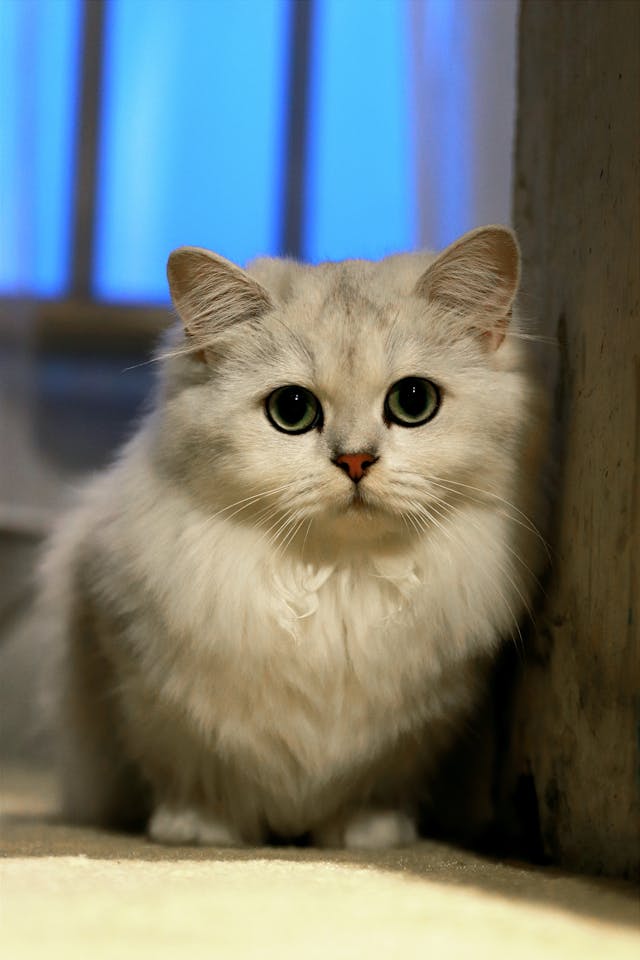
Choosing the right feline companion is a deeply personal decision. With over 70 recognized cat breeds worldwide, the options can feel overwhelming. Do you need a cat that gets along with your dog? A hypoallergenic friend for a family member with sneezing fits? A calm lap cat for apartment living?
This comprehensive guide breaks down the best cat breeds across every major category. Whether you are searching for what are the best cat breeds for your specific lifestyle or wondering about the best dog breeds for cats (yes, the dog’s breed matters too!), you will find expert-backed answers here.
Part 1: What Are the Best Cat Breeds? An Overview
Before diving into specific categories, let us answer the broad question: what are the best cat breeds overall? The answer depends entirely on your household.
However, several breeds consistently rank at the top for temperament, health, and adaptability. According to the Cat Fanciers’ Association (CFA) and pet experts, the most popular and well-rounded breeds include:
| Breed | Key Trait | Best For |
|---|---|---|
| Ragdoll | Floppy, dog-like affection | Families, kids, dogs |
| Maine Coon | Gentle giant | Families, indoor living |
| Siamese | Vocal, social | Active households |
| British Shorthair | Calm, independent | Quiet homes, allergies |
| Sphynx | Hairless, warm-bodied | Allergy sufferers (mildly) |
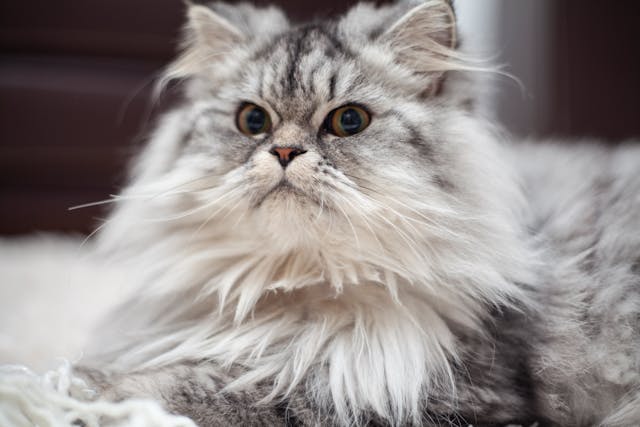
| Persian | Sweet, low-energy | Indoor, lap cat lovers |
Now, let us match these and other breeds to your specific needs.
Part 2: Best Cat Breeds for Families
When searching for the best cat breeds for families, you need a cat that is patient, tolerant of unpredictable children, and enjoys being handled. Not every cat likes small hands grabbing their tail.
Top Family-Friendly Cat Breeds
| Breed | Why It Works for Families | Kid-Friendliness Score |
|---|---|---|
| Ragdoll | Goes limp when held (hence the name); extremely tolerant of hugging and carrying | ⭐⭐⭐⭐⭐ |
| Maine Coon | Patient, playful, and large enough to handle gentle roughhousing | ⭐⭐⭐⭐⭐ |
| Birman | Sweet, quiet, and forms strong bonds with all family members | ⭐⭐⭐⭐ |
| Abyssinian | Active and curious; great for older children who want a playmate | ⭐⭐⭐⭐ |
| Exotic Shorthair | All the sweetness of a Persian but with short, low-maintenance fur | ⭐⭐⭐⭐ |
Pro Tip: Avoid high-strung breeds like the Bengal or Siamese if you have very young children. Their energy and vocal demands can clash with a chaotic household.
The best cat breeds for families are ultimately those that match your family’s energy level. A high-energy family with active kids might love an Abyssinian. A quiet, bookish family might prefer a Ragdoll.
Part 3: Best Cat Breeds for Kids
While similar to family-friendly breeds, the best cat breeds for kids specifically focus on tolerance for handling, patience with noise, and a low tendency to scratch or bite when startled.
Top Picks for Children
- Ragdoll: As mentioned, these cats are famously floppy and rarely use their claws. They seem to understand that children are fragile.
- Maine Coon: Often called “gentle giants,” Maine Coons are known to be particularly good with children. They are playful but not hyperactive.
- Birman: Birmans are known for their gentle, calm demeanor. They are less demanding than Siamese but equally affectionate.
- Persian: Persians are low-energy and prefer lounging. For calm, gentle children, a Persian makes an excellent, quiet companion.
- Burmese: These cats are often described as “brick wrapped in silk.” They are sturdy, playful, and love interactive games.
What to Avoid: Very shy breeds (like the Russian Blue) or very dominant breeds (like the Bengal) may not appreciate the unpredictable nature of young kids.
Part 4: Best Indoor Cat Breeds
Apartment dwellers and those without safe outdoor access need cats that thrive in confinement. The best indoor cat breeds are low-energy, not prone to destructive boredom, and content with window perches instead of open fields.
Top Indoor Cat Breeds
| Breed | Why They Excel Indoors | Activity Level |
|---|---|---|
| British Shorthair | Calm, undemanding, and happy to sleep most of the day | Low |
| Persian | Extremely low energy; requires only a clean room and a lap | Very Low |
| Ragdoll | Does not have strong hunting instincts; content to follow you from room to room | Low to Moderate |
| Scottish Fold | Sweet-natured and quiet; adapts well to apartment life | Low |
| Exotic Shorthair | Same calm temperament as Persian but easier grooming | Low |
Making Indoor Life Better
Even the best indoor cat breeds need enrichment. Provide:
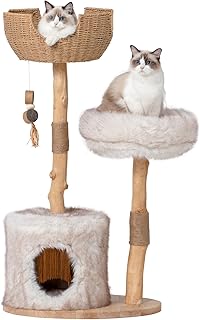
- Cat trees and vertical climbing spaces
- Window perches for “cat TV” (watching birds outside)
- Interactive toys and puzzle feeders
- Regular play sessions (at least 15 minutes twice daily)
The best house cat breeds are those that do not feel trapped indoors. A bored indoor cat becomes destructive. Stick with lower-energy breeds if you cannot provide extensive playtime.
Part 5: Best Cat Breeds for Allergies
No cat is 100% hypoallergenic. Allergies are triggered by a protein called Fel d 1 found in cat saliva, skin dander, and urine—not just fur. However, some breeds produce less of this protein or shed less dander. The best cat breeds for allergies can make life bearable for sensitive owners.
Top Hypoallergenic-Friendly Breeds
| Breed | Why They Are Better for Allergies | Shedding Level |
|---|---|---|
| Sphynx | Hairless means no fur to trap dander; requires weekly bathing to remove skin oils | None |
| Devon Rex | Very short, fine coat that sheds minimally; produces less Fel d 1 | Very Low |
| Cornish Rex | Similar to Devon Rex; wavy, short coat that sheds very little | Very Low |
| Balinese | Often called the “longhaired hypoallergenic cat”; produces less Fel d 1 than most breeds | Low |
| Siberian | Surprisingly low in Fel d 1 despite thick, fluffy coat | Moderate (but less allergen) |
| Bengal | Short, pelt-like coat that requires minimal grooming; low dander | Low |
Important Notes on Allergies
- Spend time with the breed before committing. Allergies vary by individual cat, not just breed.
- Female cats produce fewer allergens than males. Neutered males produce fewer than intact males.
- Regular bathing and HEPA air filters help regardless of breed.
The best cat breeds for allergies are not a cure, but they are a compromise that allows many allergy sufferers to enjoy feline companionship.
Part 6: Best Cat Breeds for Dogs (and Vice Versa)
One of the most common questions from multi-pet households is: “Will my cat and dog get along?” The answer depends heavily on the cat’s breed and the dog’s breed. Here, we cover both sides.
Best Cat Breeds for Dogs
The best cat breeds for dogs are confident, social, and not easily frightened. These cats were often bred to be around other animals or have naturally bold temperaments.
| Cat Breed | Why They Get Along with Dogs |
|---|---|
| Maine Coon | Dog-like in personality; confident and unbothered by canine antics |
| Ragdoll | Too relaxed to be threatened; will simply flop over when a dog approaches |
| Norwegian Forest Cat | Large and sturdy; can hold their own without being aggressive |
| Abyssinian | Curious and adventurous; will treat a friendly dog as a playmate |
| Burmese | Outgoing and social; often initiates play with dogs |
Best Dog Breeds for Cats
Now, the reverse question: best dog breeds for cats and best dog breeds with cats require dogs with low prey drive, high trainability, and a gentle nature.
| Dog Breed | Why They Are Cat-Friendly |
|---|---|
| Golden Retriever | Gentle, patient, and famously good with all animals |
| Labrador Retriever | Friendly and trainable; low prey drive |
| Cavalier King Charles Spaniel | Small, sweet, and non-threatening to cats |
| Bichon Frise | Playful but not aggressive; small size puts cats at ease |
| Pug | Low energy, low prey drive, and comically non-threatening |
| Bulldog | Lazy and unbothered; cats often bully them, not the reverse |
What About Best Cat Breeds for Dogs?
The phrase best cat breeds for dogs is simply the flip side of the same question. A confident, dog-friendly cat breed like the Maine Coon or Ragdoll is the answer. These cats do not run (which triggers a dog’s chase instinct) and do not swat unprovoked (which triggers a dog’s defense).
Best Dog Breeds with Cats: The Golden Rule
The best dog breeds with cats share one trait: a low prey drive. Breeds originally bred to hunt small animals (terriers, sighthounds) are the hardest to integrate. Breeds bred to retrieve (Labradors, Goldens) or companion (Bichons, Cavaliers) are the easiest.
Part 7: Bringing a Cat and Dog Together – Practical Tips
Even with the best cat breeds for dogs and the best dog breeds for cats, introductions must be handled carefully.
Step-by-Step Introduction
- Scent swapping first. Exchange bedding between the cat and dog before they meet.
- Separate spaces. Keep the cat in a safe room with a baby gate the dog cannot cross.
- Controlled visual contact. Allow them to see each other through a gate or crate.
- Leashed meetings. Keep the dog on a short leash; let the cat approach at its own pace.
- Reward calm behavior. Treat both animals for ignoring each other.
- Never force it. If either animal shows fear or aggression, slow down.
Warning Signs to Watch For
- In the dog: Stiff body, intense staring, whining, lunging, or barking. These indicate prey drive, not playfulness.
- In the cat: Hissing, flattened ears, puffed tail, swatting, or hiding for hours after a brief encounter.
Some pairings simply do not work. Even the best cat breeds for dogs cannot overcome a dog with a very high prey drive. Be prepared to keep them permanently separated if necessary.
Part 8: Breed Comparison Table – At a Glance
Here is a quick-reference table for all the best cat breeds discussed above:
| Breed | Families | Kids | Indoor | Allergies | Dogs | Energy Level |
|---|---|---|---|---|---|---|
| Ragdoll | ⭐⭐⭐⭐⭐ | ⭐⭐⭐⭐⭐ | ⭐⭐⭐⭐⭐ | ⭐⭐ | ⭐⭐⭐⭐⭐ | Low-Med |
| Maine Coon | ⭐⭐⭐⭐⭐ | ⭐⭐⭐⭐⭐ | ⭐⭐⭐⭐ | ⭐⭐ | ⭐⭐⭐⭐⭐ | Med |
| British Shorthair | ⭐⭐⭐⭐ | ⭐⭐⭐ | ⭐⭐⭐⭐⭐ | ⭐⭐⭐ | ⭐⭐⭐⭐ | Low |
| Persian | ⭐⭐⭐ | ⭐⭐⭐ | ⭐⭐⭐⭐⭐ | ⭐⭐ | ⭐⭐⭐ | Very Low |
| Sphynx | ⭐⭐⭐ | ⭐⭐ | ⭐⭐⭐⭐ | ⭐⭐⭐⭐ | ⭐⭐⭐ | High |
| Siberian | ⭐⭐⭐⭐ | ⭐⭐⭐⭐ | ⭐⭐⭐⭐ | ⭐⭐⭐⭐ | ⭐⭐⭐⭐ | Med |
| Abyssinian | ⭐⭐⭐⭐ | ⭐⭐⭐⭐ | ⭐⭐⭐ | ⭐⭐ | ⭐⭐⭐⭐ | High |
| Birman | ⭐⭐⭐⭐ | ⭐⭐⭐⭐ | ⭐⭐⭐⭐ | ⭐⭐ | ⭐⭐⭐⭐ | Low-Med |
| Bengal | ⭐⭐ | ⭐⭐ | ⭐⭐ | ⭐⭐⭐ | ⭐⭐⭐ | Very High |
Part 9: Honorable Mentions – Other Excellent Breeds
While we have covered the most common categories, here are a few more best cat breeds that deserve recognition:
- Russian Blue: Great for allergies (low Fel d 1), but shy with kids and strangers. Best for quiet adults.
- Chartreux: A quiet, gentle, dog-friendly breed that resembles a British Shorthair. Rare in the US but wonderful.
- Tonkinese: A cross between Siamese and Burmese. Social, vocal, and great with other pets.
- Oriental Shorthair: For people who love Siamese personality but want a wider range of coat colors.
- American Shorthair: A classic, healthy, easygoing breed that adapts to almost any home.
Part 10: Final Checklist – Choosing Your Perfect Cat
Before you decide on the best cat breeds for your home, answer these questions honestly:
Ask Yourself:
| Question | Why It Matters |
|---|---|
| Do I have children under 6? | If yes, prioritize tolerant breeds like Ragdoll or Maine Coon. |
| Do I have a dog? | If yes, look at best cat breeds for dogs (confident, bold cats). Also consider your dog’s breed using our best dog breeds for cats guide. |
| Does anyone in the home have allergies? | If yes, focus on the best cat breeds for allergies (Sphynx, Siberian, Balinese). |
| Do I live in a small apartment? | If yes, choose best indoor cat breeds (British Shorthair, Persian, Ragdoll). |
| Do I want a lap cat or an active playmate? | Lap cats: Persian, Ragdoll. Active: Abyssinian, Bengal. |
| Is this my first cat? | Stick with easygoing breeds like Ragdoll, Maine Coon, or British Shorthair. Avoid high-maintenance breeds like Bengals or Persians (grooming). |
Conclusion: There Is a Perfect Cat for Every Home
Whether you are searching for what are the best cat breeds for a bustling family with three kids and a Golden Retriever, or the best house cat breeds for a quiet studio apartment, there is a feline companion waiting for you.
Remember these key takeaways:
- For families and kids: Ragdoll and Maine Coon are unbeatable.
- For indoor living: British Shorthair and Persian thrive without outdoor access.
- For allergies: Sphynx, Siberian, and Balinese are your best bets.
- For homes with dogs: Choose confident breeds like Maine Coon or Ragdoll, and pair them with best dog breeds with cats like Golden Retrievers or Cavaliers.
- For first-time owners: Stick with easygoing, healthy breeds like the American Shorthair or Ragdoll.
The best cat breeds are not the same for everyone. The best cat for you is the one whose personality, energy level, and care requirements align with your lifestyle. Adopt responsibly, introduce new pets slowly, and enjoy the unique joy that only a feline friend can bring.
Disclaimer: Individual cats vary. Breed tendencies are general guidelines, not guarantees. Always spend time with a specific cat before adoption, and consult with a veterinarian or animal behaviorist for personalized advice. This article is for informational purposes only.








Leave a Reply