


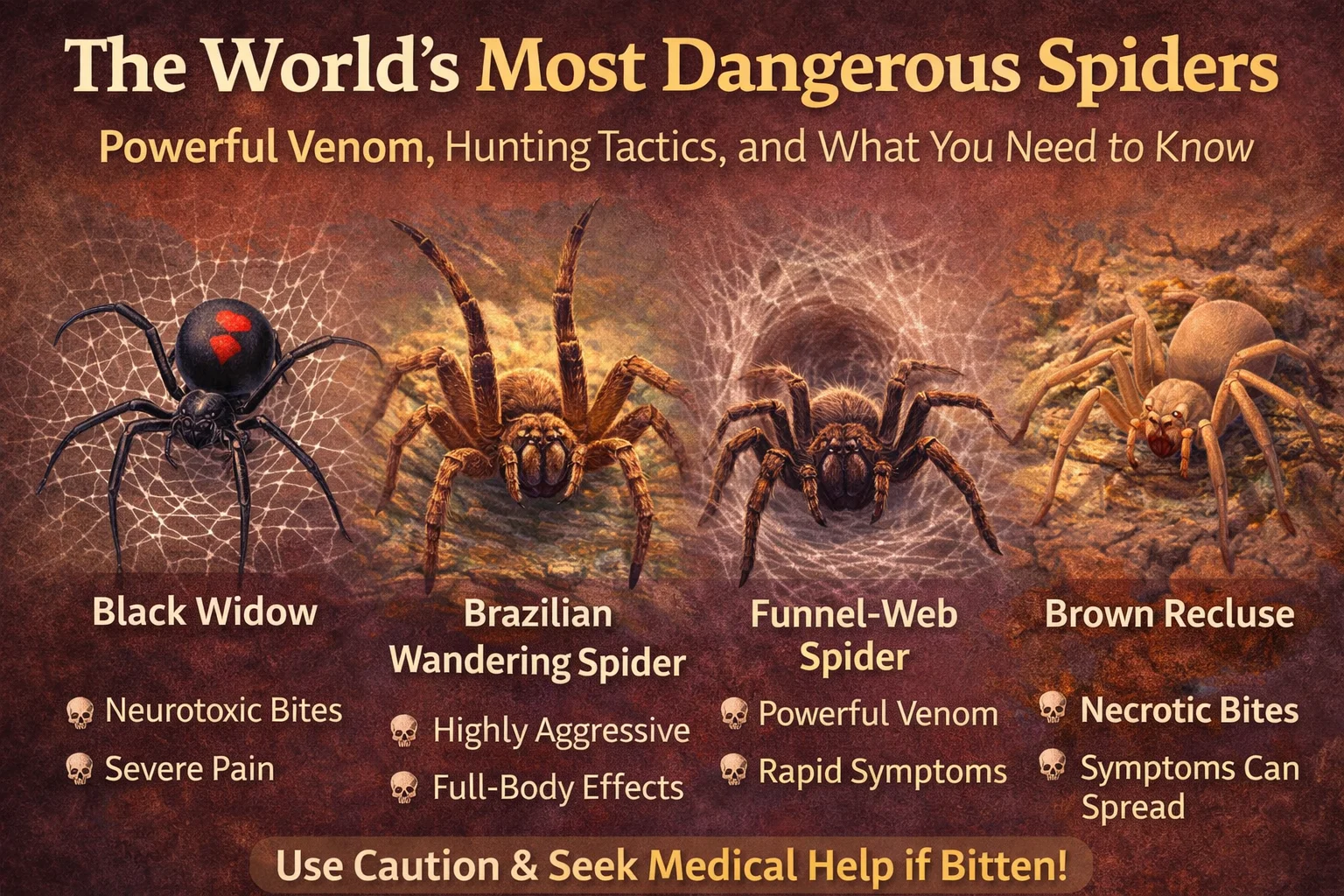
These spiders are among the most dangerous in the world due to their powerful venom and unique hunting behaviors. While their fearsome reputation is well-earned, actual encounters with humans are rare, and modern medicine has made fatal outcomes uncommon. Understanding these arachnids can help reduce unnecessary fear while promoting respect and caution.
Neurotoxic Giants: Brazilian Wandering Spider and Sydney Funnel-Web
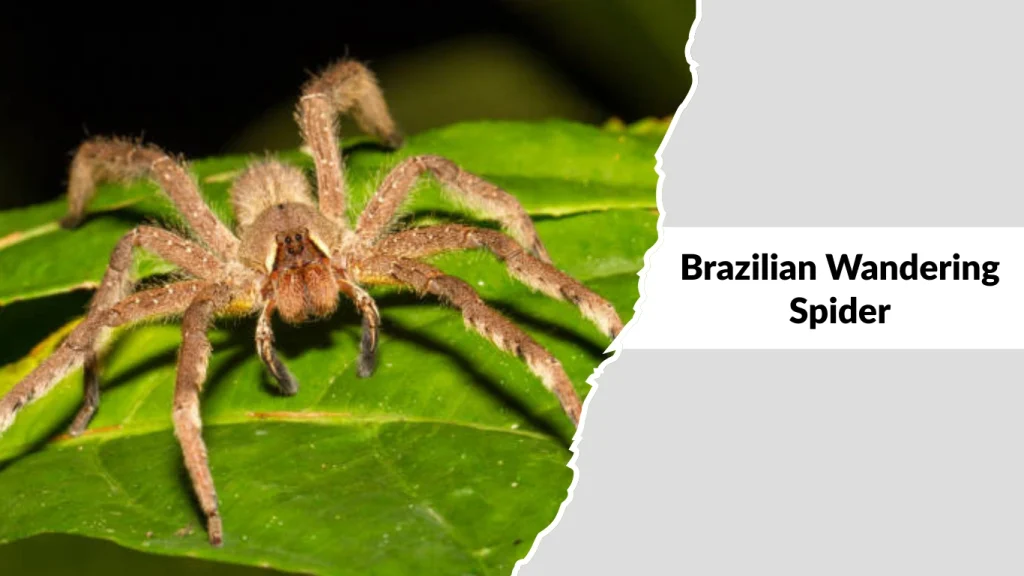
Brazilian Wandering Spider (Phoneutria species) Often called the “banana spider,” this South American hunter is famous for its highly potent neurotoxic venom. Unlike many spiders that build webs and wait, the Brazilian wandering spider actively roams at night in search of prey. Its venom attacks the nervous system rapidly, causing intense pain, sweating, salivation, irregular heartbeat, and in some cases, priapism (prolonged erection) in men. It is frequently ranked among the most venomous spiders on Earth.
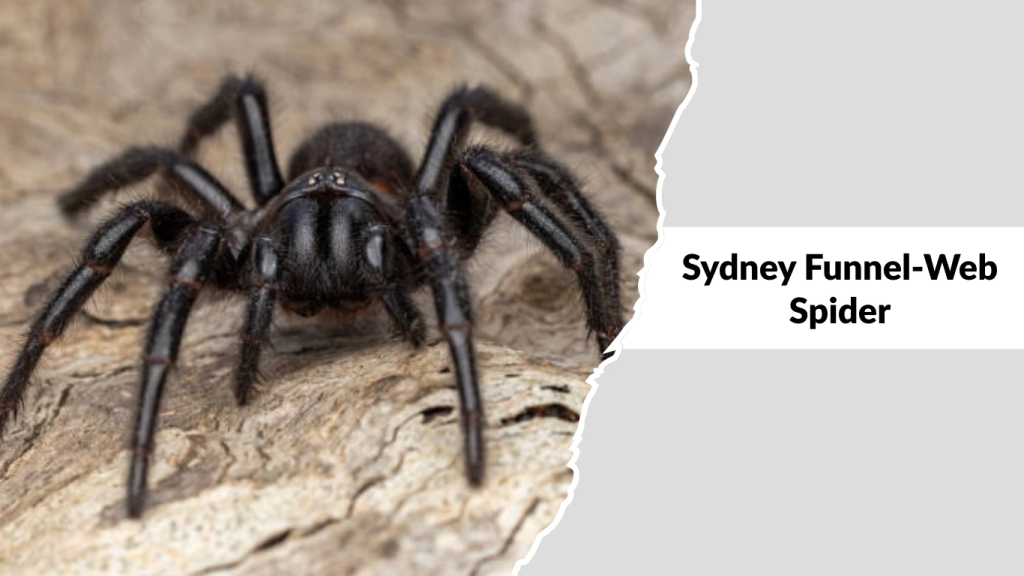
Sydney Funnel-Web Spider (Atrax robustus) Native to eastern Australia, this spider is highly aggressive when threatened. It constructs silk-lined burrows with funnel-shaped entrances. Its venom contains powerful neurotoxins that can cause severe muscle spasms, breathing difficulties, and heart problems within minutes. Before antivenom was developed in 1981, it caused multiple deaths. Today, with prompt medical care, fatalities are extremely rare.
Tissue-Destroying Venom: Brown Recluse and Six-Eyed Sand Spider
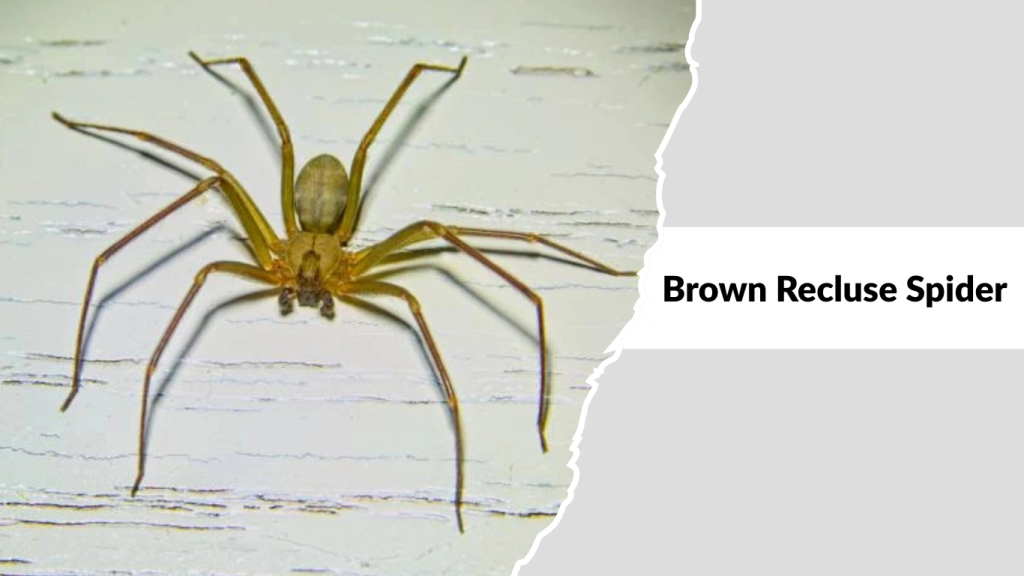
Brown Recluse Spider (Loxosceles reclusa) Found primarily in the central and southern United States, this shy, reclusive spider has venom containing enzymes that destroy tissue and blood vessels. A bite may initially feel like a pinprick, but it can develop into a painful, necrotic ulcer that heals slowly and sometimes requires medical intervention. While deaths are very rare, the wound can cause significant scarring or secondary infections.
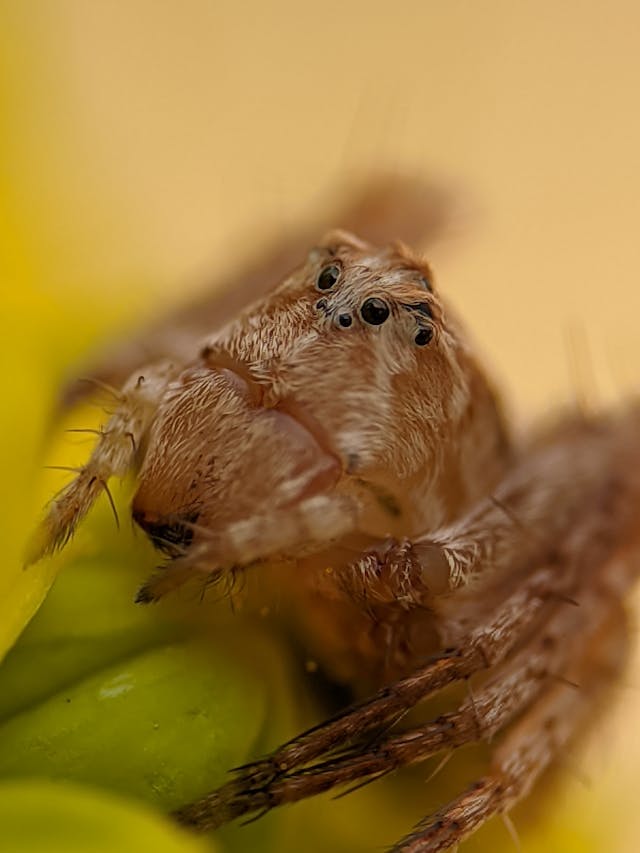
Six-Eyed Sand Spider (Hexophthalma / Sicarius species) This desert-dwelling spider from southern Africa and parts of South America possesses one of the most cytotoxic venoms of any spider. Its venom can cause severe tissue destruction, blood vessel leakage, and internal damage. Though bites to humans are exceptionally rare due to its reclusive, sand-burrowing lifestyle, toxicology studies suggest its venom is extremely potent. No specific antivenom exists, making any potential bite a serious concern.
The Reality Behind the Reputation
Despite their reputation, most of these spiders only bite humans in self-defense and encounters are relatively rare. Spiders are not aggressive toward people by nature — they prefer to avoid us. Bites typically occur when a spider is accidentally trapped against skin, stepped on, or disturbed in its hiding spot (like inside shoes, clothing, or woodpiles).
With modern medical treatment, fatalities are uncommon. Antivenoms, supportive care, and quick hospital intervention have dramatically reduced death rates. For example, no deaths from Sydney funnel-web bites have occurred since the antivenom became available. Brazilian wandering spider bites, though more common in their range, are rarely fatal with proper care.
What to Do If Bitten
- Stay calm and immobilize the affected area.
- Clean the bite gently with soap and water.
- Seek immediate medical attention, especially if symptoms like severe pain, swelling, nausea, muscle cramps, or breathing issues appear.
- Try to safely capture the spider for identification if possible (without risking another bite).
Final Thoughts
These spiders remind us of nature’s incredible complexity: highly effective hunters armed with sophisticated venom that serves them well in the wild. While their bites can be medically significant, fear should not overshadow respect. Simple precautions — shaking out shoes, wearing gloves when gardening, and teaching children not to handle unknown spiders — go a long way in preventing unwanted encounters.
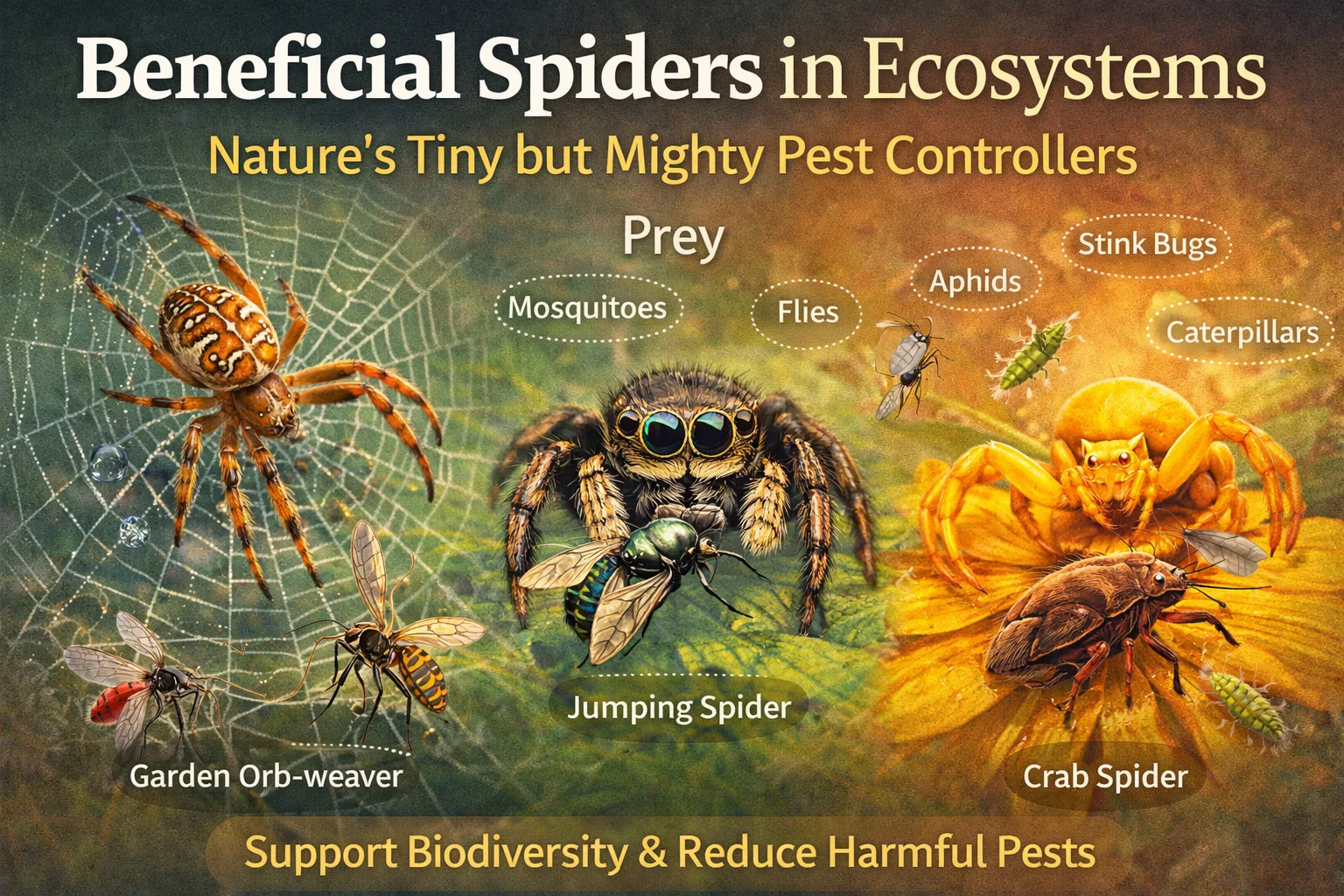
Most spiders are beneficial predators that control insect populations. The world’s most dangerous spiders deserve caution, not panic, and with knowledge and timely medical care, their impact on humans remains minimal.
Spider Bite Prevention Tips: How to Stay Safe from the World’s Most Dangerous Spiders
While encounters with highly venomous spiders are rare, knowing smart spider bite prevention tips can dramatically reduce your risk. The Brazilian wandering spider, Sydney funnel-web, brown recluse, and six-eyed sand spider are among the most dangerous due to their powerful venom — but simple precautions can keep you and your family protected.
Why Prevention Matters
Most dangerous spiders only bite in self-defense. By making your home and habits less inviting to spiders, you can avoid accidental encounters and reduce anxiety.
Top Spider Bite Prevention Tips
1. Spider-Proof Your Home
- Seal cracks and gaps around windows, doors, pipes, and foundation.
- Install tight-fitting screens on windows and doors.
- Use door sweeps and weather stripping to block entry points.
- Reduce clutter — spiders love piles of clothes, boxes, firewood, and storage areas.
2. Control Insects (Their Food Source) Spiders enter homes chasing prey. Use integrated pest management:
- Keep kitchen counters clean and food stored in sealed containers.
- Fix leaks and eliminate standing water.
- Use outdoor lighting that attracts fewer insects (yellow LED bulbs work well).
3. Bedroom and Clothing Safety
- Shake out shoes, boots, gloves, and clothing before wearing them — especially in areas where brown recluse or Brazilian wandering spiders live.
- Check bedding before getting in, particularly in warmer climates.
- Store clothes off the floor and in sealed bags when possible.
4. Yard and Garden Maintenance
- Keep grass short and trim bushes away from the house.
- Remove woodpiles, rock piles, and debris far from your home.
- Use outdoor spider repellents (natural ones like peppermint or citrus oil sprays can help deter them).
- Wear gloves when gardening or moving rocks and logs.
5. Specific Tips for High-Risk Species
- Brazilian Wandering Spider areas (South America): Always check banana bunches and boxes carefully. Avoid walking barefoot at night.
- Sydney Funnel-Web areas (Australia): Be extra cautious around moist, dark spots like garden sheds or rock walls. Wear sturdy shoes outdoors.
- Brown Recluse areas (Central/Southern USA): Inspect stored items and attics regularly.
- Six-Eyed Sand Spider areas (Southern Africa): Watch out in sandy, arid regions and avoid disturbing desert sand or burrows.
6. Travel and Outdoor Safety
- When traveling to spider-hotspot countries, pack a small flashlight for night checks.
- Use bed nets in tropical areas.
- Teach children never to poke sticks or hands into holes, woodpiles, or under rocks.
7. Natural Deterrents
- Essential oils like peppermint, tea tree, lavender, and citrus are disliked by spiders.
- Keep your home dry and well-lit — spiders prefer dark, damp environments.
- Consider glue traps in garages and basements for monitoring.
Quick Emergency Reminder
Even with excellent prevention, if you suspect a bite from a dangerous spider: Stay calm → Clean the area → Seek medical help immediately → Try to identify or safely photograph the spider.
Final Takeaway
The best defense against spider bites is prevention through awareness and cleanliness. By spider-proofing your home, reducing insect prey, and practicing safe habits, you can enjoy peace of mind even in regions where the world’s most dangerous spiders live.
Most spiders are actually beneficial — they eat mosquitoes, flies, and other pests. With these practical spider bite prevention tips, you can respect nature while keeping yourself and your loved ones safe.
Would you like a printable checklist version or tips customized for a specific country or region












Leave a Reply