



What are the first signs of bloat in a dog? This single question is the most important thing any large-breed dog owner can answer. Knowing the answer can mean the difference between life and death for your pet. Canine bloat—medically known as Gastric Dilatation-Volvulus (GDV)—is one of the most terrifying emergencies in veterinary medicine. It strikes without warning, progresses in hours, and is fatal without immediate intervention.
This guide answers every question you have about bloat: the early warning signs, which breeds are at risk, what causes the stomach to twist, how it is treated, and—most critically—what are the first signs of bloat in a dog so you can act before it is too late.

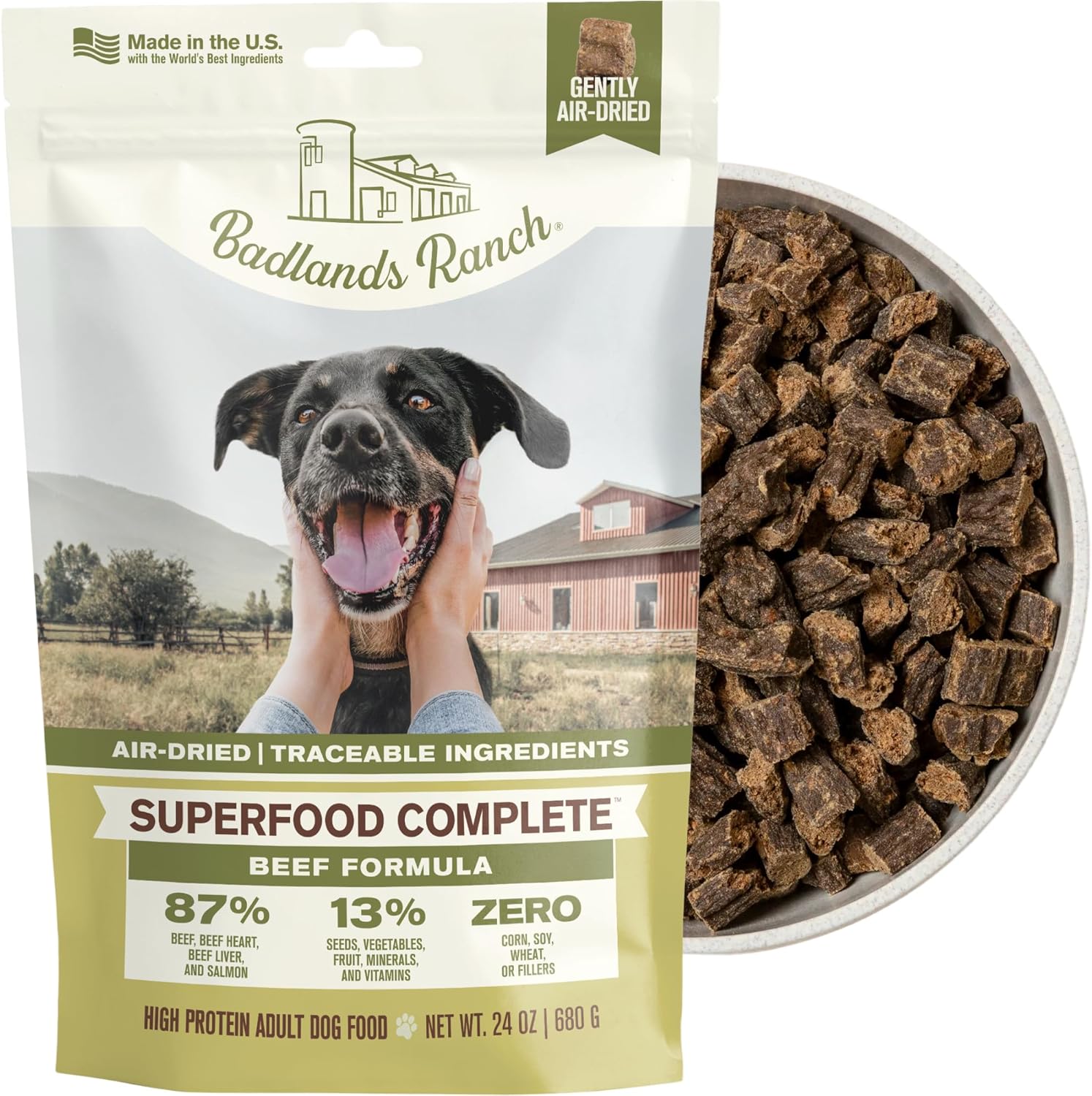
KISFLY Probiotic Chews for Dogs
Gut & Digestive Health
🔒 Secure transaction · Ships from Amazon · $6.99 shipping to Hong Kong
📦 In Stock – Delivery estimates available at checkout
This content is part of a paid promotional campaign. As mandated by applicable advertising guidelines, platform policies, and campaign terms, the following disclosure applies: “This post includes an affiliate or sponsored link to Amazon. As an Amazon Associate / campaign participant, we earn from qualifying purchases.”
Transparency commitment: The relationship with the brand and retailer is clearly stated. No misleading claims are made. This disclosure is an unavoidable, permanent part of this content as required by campaign terms.
Chapter 1: What Are the First Signs of Bloat in a Dog? (The Critical List)
What are the first signs of bloat in a dog? They can be subtle at first, which is what makes GDV so dangerous. Many owners mistake early bloat for simple indigestion or a gassy stomach. However, the difference is that bloat symptoms rapidly worsen—often within 60 to 90 minutes.
If you ever find yourself asking, “what are the first signs of bloat in a dog?” , here is the definitive checklist of early warning signs:
| Early Sign | What It Looks Like |
|---|---|
| Restlessness & Pacing | Your dog cannot settle down, constantly shifts positions, or paces around the house after eating. |
| Excessive Drooling | Thick, ropey saliva hanging from the mouth—far more than normal. |
| Unproductive Retching (Dry Heaving) | Your dog tries to vomit, gagging and heaving, but nothing comes up except maybe small amounts of white foam. This is the most telltale sign. |
| Looking at or Biting the Belly | Your dog turns to stare at or nip at their flank or side, indicating abdominal pain. |
| Swollen, Hard Belly | The abdomen becomes visibly distended, feels tight like a drum, and may produce a hollow sound when tapped. |
| Anxiety or Whining | Unexplained distress, whining, or groaning without an obvious cause. |
The single most important memory tool: If you see your dog trying to vomit without producing anything, combined with a swollen belly and restlessness—that is bloat until proven otherwise. Do not wait. Do not call ahead. Drive immediately to the nearest open veterinarian or emergency animal hospital.
Chapter 2: What Breed of Dog Is Prone to Bloat?
Not every dog is equally at risk. When owners ask “what are the first signs of bloat in a dog?” , they often own a breed specifically predisposed to GDV. Bloat overwhelmingly affects large and giant breeds with deep, narrow chests.
Highest-risk breeds include:
- Great Danes (the highest risk of any breed)
- German Shepherds
- Standard Poodles
- Weimaraners
- Doberman Pinschers
- Irish Setters
- Gordon Setters
- Saint Bernards
- Basset Hounds (a smaller breed with a deep chest)
Other risk factors:
- Age: Risk increases as dogs get older (typically 7+ years)
- Sex: Male dogs are more likely to bloat than females
- Genetics: Dogs with a first-degree relative who suffered from bloat are at much higher risk
- Temperament: Anxious, fearful, or aggressive dogs show higher incidence
If you own a high-risk breed, memorizing what are the first signs of bloat in a dog is not optional—it is an essential part of responsible pet ownership.
Chapter 3: What Causes Bloat in Dogs?
To understand why what are the first signs of bloat in a dog look the way they do, you need to understand what is happening inside the body.
The mechanism:
- The stomach fills with gas (dilatation)
- The gas-filled stomach rotates on its axis (volvulus)
- The twisting seals off both the entrance (esophagus) and exit (duodenum)
- Gas has nowhere to go, so pressure builds
- Blood flow to the stomach and spleen is cut off
- The dog goes into shock, and stomach tissue begins to die
Common contributing factors:

- Rapid eating (swallowing large amounts of air)
- One large meal per day rather than multiple small meals
- Strenuous exercise immediately before or after eating
- Stressful events (boarding, travel, changes in routine)
- Elevated food bowls (contrary to old advice, raising bowls may increase risk)
Knowing what causes bloat helps you prevent it. But even with perfect prevention, some dogs still bloat—which is why knowing what are the first signs of bloat in a dog remains the most critical skill.
Chapter 4: Stomach Bloat in Dogs Symptoms (Full Progression)
While the first signs are subtle, as bloat progresses, the symptoms become impossible to ignore. Here is the full progression of stomach bloat in dogs symptoms from early to late stage:
| Stage | Symptoms |
|---|---|
| Early (0-1 hour) | Restlessness, pacing, drooling, unproductive retching, mild abdominal swelling |
| Mid (1-2 hours) | Obvious swollen hard belly, heavy panting, signs of pain (groaning), pale gums |
| Late (2+ hours) | Weakness, inability to stand, collapse, back leg weakness, shock, organ failure |
If you have to ask “what are the first signs of bloat in a dog?” and then see any of the mid-to-late symptoms, you have already lost precious time. Act immediately.
Chapter 5: Bloat in Dogs Symptoms Back Legs (Why This Happens)
A specific and frightening sign of advanced bloat involves the hind limbs. Owners may notice their dog’s back legs seem weak, wobbly, or the dog cannot stand properly.
Why this happens: The gas-filled, twisted stomach puts immense pressure on the major blood vessels (the vena cava), preventing blood from returning from the hind legs and abdomen to the heart. Blood pools at the back of the body, leading to progressive weakness in the hind limbs.
If you see bloat in dogs symptoms back legs (weakness, wobbling, or collapse), the dog is already in severe shock. Emergency treatment is needed immediately—not “soon” or “after I call the vet.”
This is why knowing what are the first signs of bloat in a dog is so crucial: you want to catch it before it reaches the back-leg weakness stage.
Chapter 6: Severe Bloat in Dogs Symptoms (End-Stage Signs)
Severe bloat in dogs symptoms indicate that the dog is near death without immediate surgical intervention:
- Collapse (unable to rise or stand)
- Unconsciousness or semi-consciousness
- Extremely pale or white gums (severe shock)
- Weak or absent pulse
- Labored, shallow breathing
- Cold body temperature (hypothermia)
If your dog shows severe bloat in dogs symptoms, the window for successful treatment is closing rapidly. Even with aggressive surgery, survival rates drop significantly at this stage.
Again, the answer to “what are the first signs of bloat in a dog?” is designed to prevent you from ever reaching this stage.
Chapter 7: Will Dog Bloat Go Away on Its Own?
No. Absolutely not. This is the most dangerous misconception.
Many owners ask, “will dog bloat go away on its own?” , hoping that it is just gas. The answer is a firm no. With GDV, the stomach is physically twisted, sealing off both the entrance and exit. The gas has nowhere to go. The condition will only worsen.
Waiting or attempting home remedies will cost your dog’s life. Even in extremely rare cases of simple bloat (dilatation without twisting), dogs can deteriorate into volvulus at any moment.
If you ever find yourself asking “what are the first signs of bloat in a dog?” and recognize any of them, do not wait to see if it goes away. It will not.
Chapter 8: How to Relieve Bloat on Dogs (The Only Safe Answer)
How to relieve bloat on dogs is a question with only one answer: you cannot. A veterinarian must.
There is no safe or effective home remedy for bloat. Do not attempt:
- Anti-gas medications (like simethicone/Gas-X)
- Belly massages
- Inducing vomiting
- Giving food or water
- Waiting to “see if it passes”
All of these delay life-saving treatment and can make the condition worse.
How veterinarians relieve bloat:
- IV fluids to treat shock
- Oxygen therapy to support vital organs
- Gastric decompression (passing a tube through the mouth into the stomach to release gas, or inserting a needle directly through the belly)
- X-rays to confirm if the stomach is twisted
- Emergency surgery to untwist the stomach and surgically tack it to the abdominal wall (gastropexy)
If you are asking “how to relieve bloat on dogs” while your dog shows symptoms, the only correct answer is: drive to the vet.
Chapter 9: Dog Bloat Timeline (Minutes to Death)
Understanding the dog bloat timeline reinforces why knowing what are the first signs of bloat in a dog is life-saving.
| Time | Events |
|---|---|
| 0-30 minutes | First signs appear (restlessness, retching, mild swelling). Owner may mistake for upset stomach. |
| 30-60 minutes | Swelling becomes obvious. Dog shows pain, heavy panting, distress. |
| 1-2 hours | Shock develops. Gums pale, heart rate rapid, back legs weak. |
| 2-3 hours | Collapse. Stomach tissue begins to die (necrosis). |
| 3+ hours | Without surgery, death is imminent or inevitable. |
Survival rates by time to treatment:
- Treated within 1 hour of symptoms: 85-90% survival
- Treated within 2 hours: 60-70% survival
- Treated beyond 3 hours: less than 50% survival
When you know what are the first signs of bloat in a dog, you can be the owner who acts in the first hour—and saves their dog’s life.
Chapter 10: Bloat in Dogs Symptoms Treatment (What to Expect at the Vet)
If you recognize what are the first signs of bloat in a dog and get to the vet, here is what bloat in dogs symptoms treatment looks like:
Step 1: Emergency Stabilization (15-30 minutes)
- Large-bore IV catheter placed in the front leg (hind leg veins are avoided because the swollen stomach blocks blood return from the back of the body)
- IV fluids, pain medication, and oxygen
Step 2: Gastric Decompression (10-15 minutes)
- Veterinarian attempts to pass a tube down the esophagus into the stomach to release gas
- If the tube cannot pass (due to twisting), a large needle may be inserted directly through the abdominal wall
Step 3: Diagnosis (X-rays)
- Confirm whether the stomach is simply dilated (bloat) or twisted (GDV)
Step 4: Emergency Surgery (60-90 minutes)
- Untwist the stomach back to normal position
- Assess and remove any dead stomach or spleen tissue
- Perform a gastropexy (tacking the stomach to the abdominal wall) to prevent future twisting
Step 5: Post-operative care (24-72 hours in hospital)
- Monitoring for cardiac arrhythmias (common after GDV)
- Pain management and continued IV fluids
Even with perfect treatment, 20-45% of dogs with GDV will die. The best predictor of survival is early recognition—which returns us to the most important question: what are the first signs of bloat in a dog?
Chapter 11: Female Bloat in Dogs Symptoms (Any Difference?)
Owners sometimes ask about female bloat in dogs symptoms, wondering if female dogs show different signs than males.
The answer: The symptoms of bloat are identical in male and female dogs. There is no gender-specific presentation. Both sexes show restlessness, unproductive retching, abdominal swelling, drooling, and back leg weakness as the condition progresses.
However, statistically, male dogs are more likely to suffer from bloat than females. So while female bloat in dogs symptoms are the same, the overall risk is slightly lower in females.
Regardless of sex, the answer to “what are the first signs of bloat in a dog?” remains exactly the same.
Chapter 12: Dog Bloated Stomach Home Remedy (Why None Exists)
Many owners search for a dog bloated stomach home remedy hoping to avoid a costly emergency vet visit. This is dangerous.
Why no home remedy works for GDV:
- The stomach is physically twisted—no medication can untwist it
- Gas has no exit—massage cannot release it
- Inducing vomiting is impossible because the stomach is sealed off
- Anti-gas medications (simethicone) cannot reach the twisted stomach
The only situation where home care might apply: If your dog has a simple gassy stomach (not GDV) with mild discomfort, normal ability to pass gas, and no retching or hard belly. But you cannot tell the difference safely at home.
If you have to ask “what are the first signs of bloat in a dog?” because you see concerning symptoms, do not reach for home remedies. Reach for your car keys.
Chapter 13: Prevention (How to Reduce Risk)
Knowing what are the first signs of bloat in a dog is essential, but preventing bloat is even better.
Veterinary-recommended prevention strategies:
| Strategy | Recommendation |
|---|---|
| Meal frequency | Feed 2-3 small meals daily, not one large meal |
| Eating speed | Use a slow-feeder bowl or puzzle feeder |
| Exercise restriction | No strenuous exercise 1 hour before and 2 hours after meals |
| Food bowl height | Keep bowls on the floor (elevated bowls may increase risk) |
| Stress reduction | Feed in a quiet, calm area |
| Body condition | Keep your dog at a healthy weight (neither obese nor too lean) |
| Prophylactic gastropexy | For high-risk breeds, have the stomach surgically tacked during spay/neuter. This does not prevent bloating, but it prevents the stomach from twisting if bloat occurs |
Even with perfect prevention, some dogs still bloat. That is why every owner of a high-risk breed must memorize what are the first signs of bloat in a dog.
Chapter 14: Emergency Action Plan (Print This)
If you own a large or giant breed dog, post this emergency plan somewhere visible:
IF YOU SUSPECT BLOAT:
- Stop. Do not wait, do not call the vet first, do not search online.
- Ask yourself: What are the first signs of bloat in a dog? Restlessness? Retching? Swollen belly? Drooling?
- If ANY signs are present: Put the dog in the car immediately.
- Call ahead while driving to the nearest open emergency vet or 24-hour animal hospital.
- Do not offer food, water, or medication.
- Do not attempt home remedies.
Remember: The answer to “what are the first signs of bloat in a dog?” is your dog’s lifeline. Know it. Share it with every large-breed dog owner you know.
Summary Table: Quick Reference
| Question | Answer |
|---|---|
| What are the first signs of bloat in a dog? | Restlessness, drooling, unproductive retching, swollen hard belly, pacing |
| What breed of dog is prone to bloat? | Great Danes, German Shepherds, Standard Poodles, Dobermans, Weimaraners |
| What causes bloat in dogs? | Rapid eating, large meals, exercise after eating, genetics, stress |
| Will dog bloat go away on its own? | No. Always fatal without treatment. |
| How to relieve bloat on dogs? | Only veterinary emergency treatment—no safe home remedy |
| Dog bloated stomach home remedy? | None. Go to the vet immediately. |
| Bloat in dogs symptoms back legs? | Weakness or collapse due to blocked blood flow—sign of advanced shock |
| Dog bloat timeline? | Symptoms to death can occur in 1-3 hours |
| Survival rate with treatment? | 55-80% overall, higher if treated within the first hour |
Final Word
What are the first signs of bloat in a dog? You now have the complete answer. Share this knowledge. Print the emergency plan. And if you ever see your dog trying to vomit without producing anything, with a restless demeanor and a belly that looks swollen—do not hesitate.
Go. Right now. Their life depends on it










Leave a Reply