

By Mr. Jibraan
Wildlife Enthusiast | Pet Care Expert | Animal Welfare Advocate
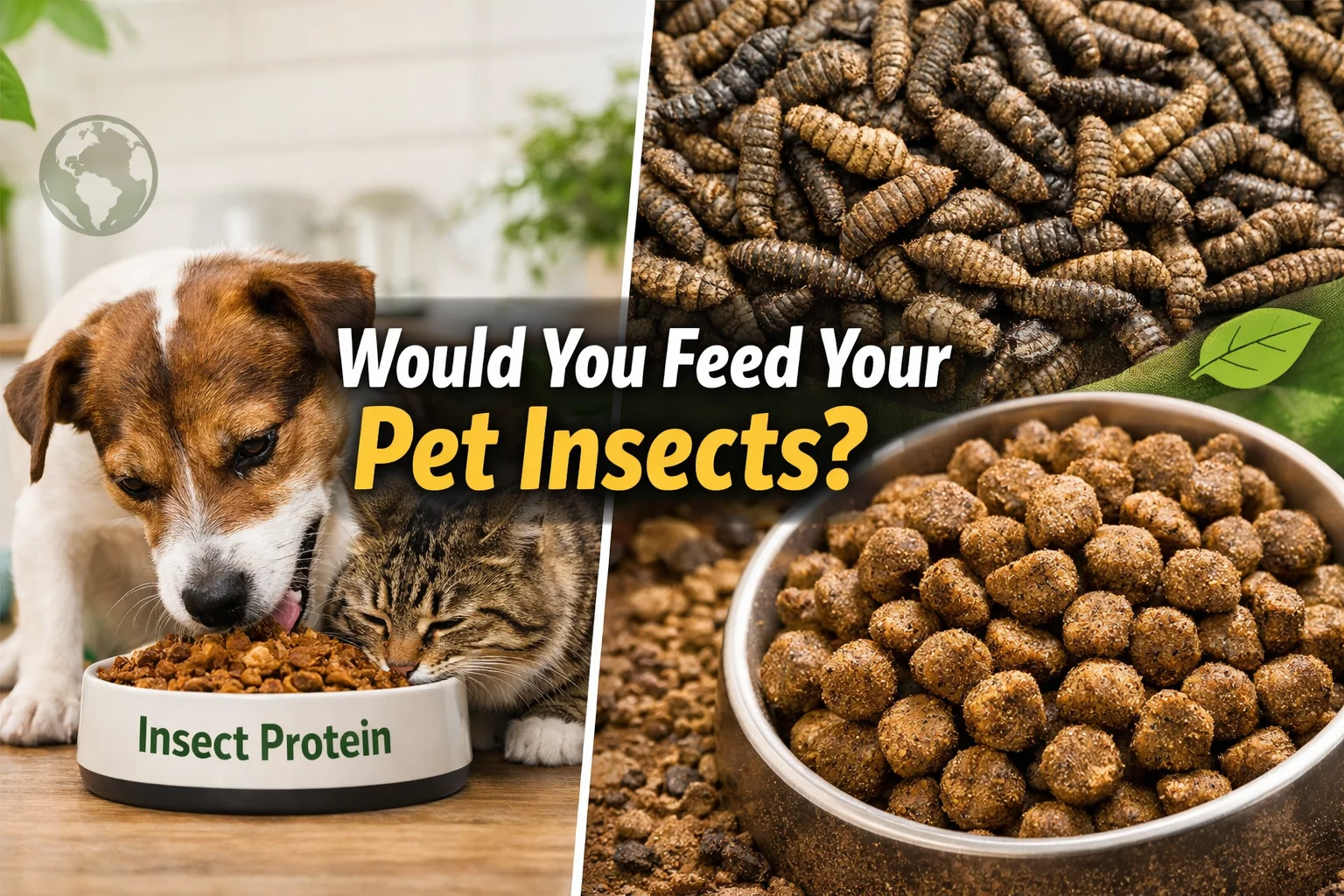
As the pet food industry evolves alongside sustainability demands, insect protein is rapidly emerging as one of the most talked-about innovations in modern pet nutrition. From eco-friendly benefits to potential health implications, many pet owners are now asking a critical question: should dogs and cats really eat bugs? Once considered a niche concept, bug-based pet food is now gaining traction for its high protein value, low environmental footprint, and hypoallergenic potential.
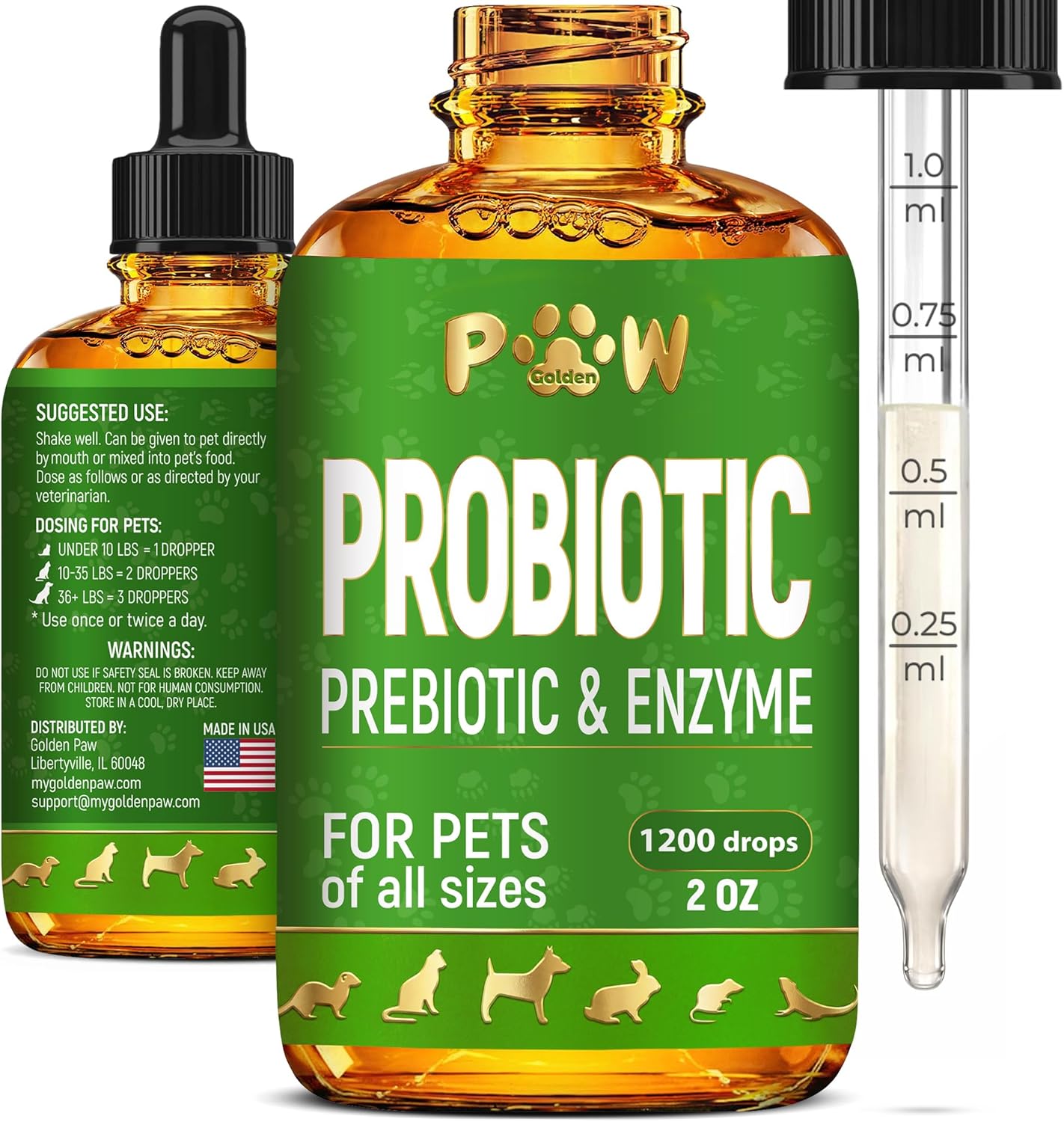
🐾 SUGGESTED USE (per label)
Shake well. Give directly by mouth or mix into pet’s food.
| UNDER 10 LBS | → 1 dropper |
| 10–35 LBS | → 2 droppers |
| 36+ LBS | → 3 droppers |
* Use once or twice a day. 2 oz bottle provides approx. 1200 drops.
🇺🇸 Made in USA | Distributed by Golden Paw, Libertyville, IL
GoldenPaw Probiotic for Pets
Liquid Digestion Balance
🔒 Secure transaction · Authorized retailer
📦 Note: Check seller availability and shipping options. Small business product.
This content is part of a paid promotional campaign. As mandated by applicable advertising guidelines, platform policies, and campaign terms, the following disclosure applies: “This post includes an affiliate or sponsored link to Amazon. As an Amazon Associate / campaign participant, we earn from qualifying purchases.”
Transparency commitment: The relationship with the brand and retailer is clearly stated. No misleading claims are made. This disclosure is an unavoidable, permanent part of this content as required by campaign terms.
However, concerns around safety, digestibility, and long-term effects still linger. In this comprehensive 2026 guide, we break down the science, expert opinions, and real-world insights behind insect protein for pets—helping you decide whether it’s a sustainable superfood or a hidden risk for your dog or cat.
As climate change reshapes agriculture and U.S. pet owners become more eco-conscious, a new question is buzzing through the industry: Should your dog or cat eat bugs? Once confined to novelty treats, insect protein for dogs and cats is now entering mainstream bowls. But is this trend a sustainable revolution for pet nutrition, or a risky gamble with your furry family member’s health?
To answer that, we need to look beyond the hype. Let’s explore the science, the safety, and what industry giants like hill’s pet nutrition are doing about it.
The Sustainability Argument: Why Bugs Might Beat Beef
There is no denying the math. Traditional livestock farming (beef, chicken, lamb) consumes vast amounts of land and water and produces significant methane. Black soldier fly larvae, crickets, and mealworms, however, require a fraction of those resources.
For the eco-friendly pet parent, the appeal is obvious. Insect farming produces near-zero greenhouse gases and can be fed on organic waste streams. This aligns perfectly with the goals of the pet nutrition alliance, which has been pushing for lower-carbon protein sources in American pet food.
If you are looking for ultimate pet nutrition with a smaller planetary paw print, insects look like a home run. As someone who advocates for sustainable living and ecological responsibility, I see the environmental logic clearly. But nature teaches us that what works for the planet must also work for the individual animal.
The Risk Factor: Allergies, Safety, and AAFCO Status
However, “sustainable” does not automatically mean “safe” for every animal. Here is where the risks land.
1. Novel Protein Allergies: While insect protein is great for dogs with chicken or beef allergies, it is still a novel protein. Any new protein carries a risk of a new allergic reaction. Veterinarians report that shellfish-allergic dogs (due to shared chitin structures) may also react to insects.
2. Chitin and Digestibility: Insects contain chitin (the hard exoskeleton). For some cats with sensitive stomachs, high levels of chitin can cause vomiting or constipation. This is why experts in nutritional pets stress that “insect-based” does not mean “better”—it just means “different.”
3. Regulatory Status: The AAFCO (Association of American Feed Control Officials) has approved black soldier fly larvae for adult dogs, but the approval for cats and all life stages is still evolving. Always check that your chosen food meets the standards set by the pet nutrition center at your local veterinary school.
Where Do the Big Brands Stand? The Hill’s Perspective
When a new ingredient enters the market, smart pet owners look to established science. Hills pet nutrition (often stylized as hill’s pet nutrition) has historically been cautious, relying on clinical trials rather than trends. Currently, hill’s pet nutrition dog food and hill’s pet nutrition cat food remain primarily focused on clinically proven proteins (chicken, lamb, salmon) for their therapeutic lines.
However, the market is shifting. While hill’s pet nutrition pet veterinary diets (like the popular z/d or d/d lines) do not yet feature insects as a primary protein, the research division of hill’s pet nutrition food is actively studying alternative proteins. According to recent pet nutrition news, the parent company of hill’s pet nutrition has filed patents regarding hydrolyzed insect proteins for hypoallergenic diets.
For consumers seeking hill’s pet nutrition careers, you will find that many of the new R&D roles are specifically focused on “future proteins”—including insects. This suggests that while ultimate pet nutrition reviews currently praise Hill’s for science-backed safety, insect-based formulas may appear in their lineup within the next three to five years. Similarly, pet nutrition cat food options from smaller brands are already incorporating insect protein, though pet nutrition guidelines recommend caution until more feline studies are complete.
The Verdict: Sustainable and Risky?
So, should you switch your pet to insect protein?
- Yes, if: Your dog has multiple mammalian protein allergies and you want a sustainable pet nutrition option that has passed AAFCO trials for adult maintenance.
- No, if: You have a cat (due to limited feline studies), a pet with a shellfish allergy, or a young puppy requiring precise amino acid profiles.
The Bottom Line for U.S. Pet Owners
Insect protein is not a fad, but it is also not a silver bullet. As the pet nutrition alliance continues to develop safety protocols, companies like hill’s pet nutrition will likely lead the charge in making this ingredient safe for mass consumption.
Until then, treat insect protein as what it is: a promising, high-risk, high-reward experiment in pet nutrition. Always consult your vet, read the ingredient panel for chitin content, and remember that “sustainable” never excuses a nutritional deficiency.
About the Author
Mr. Jibraan is a Wildlife Enthusiast, Pet Care Expert, and Animal Welfare Advocate with a deep passion for the natural bio-environment. He is the driving force behind AAIBI, an initiative dedicated to making knowledge about birds, animals, and environmental conservation accessible and engaging for children.
With a profound appreciation for biodiversity and sustainable living, Mr. Jibraan promotes curiosity-driven learning that encourages young minds to respect nature, understand ecosystems, and develop a lifelong connection with the environment. He is actively involved in community outreach programs, organizing workshops, interactive webinars, and eco-camps that help children experience nature first-hand.
Through practical, experience-driven guidance, Mr. Jibraan helps pet owners raise healthy, happy dogs, cats, and birds using responsible care practices. His passion is to inspire children to explore, learn, and protect the natural world through safe, educational, and structured content.
Beyond education, Mr. Jibraan writes articles, creates multimedia resources, and collaborates with environmental organizations to foster awareness about conservation challenges and innovative solutions. He believes that cultivating empathy for animals, understanding environmental interdependencies, and encouraging responsible habits in childhood lays the foundation for a greener, sustainable future.
His mission: To educate pet owners with accurate, practical, and ethical knowledge, ensuring better lives for animals and responsible ownership worldwide.
Contact: jibraan@aaibi.com | jibraanelif@gmail.com
Disclaimer: This article is for informational purposes only and does not constitute medical advice. Always consult a licensed veterinarian before changing your pet’s diet.






Leave a Reply