

One of the most common misconceptions in bird keeping is that a bag of mixed seeds provides a complete and healthy diet for a parrot. The image of a parrot happily cracking sunflower seeds is iconic, but the reality of avian nutrition is far more complex. Seeds are a natural part of a parrot’s diet, but they are just one piece of a much larger puzzle. In fact, an all-seed diet can be detrimental to your bird’s health. This guide will help you understand which seeds are beneficial, how to use them correctly, and when and why to use vitamins and supplements to ensure your feathered friend thrives.
Part 1: The Truth About Seeds
Seeds as Treats, Not a Staple
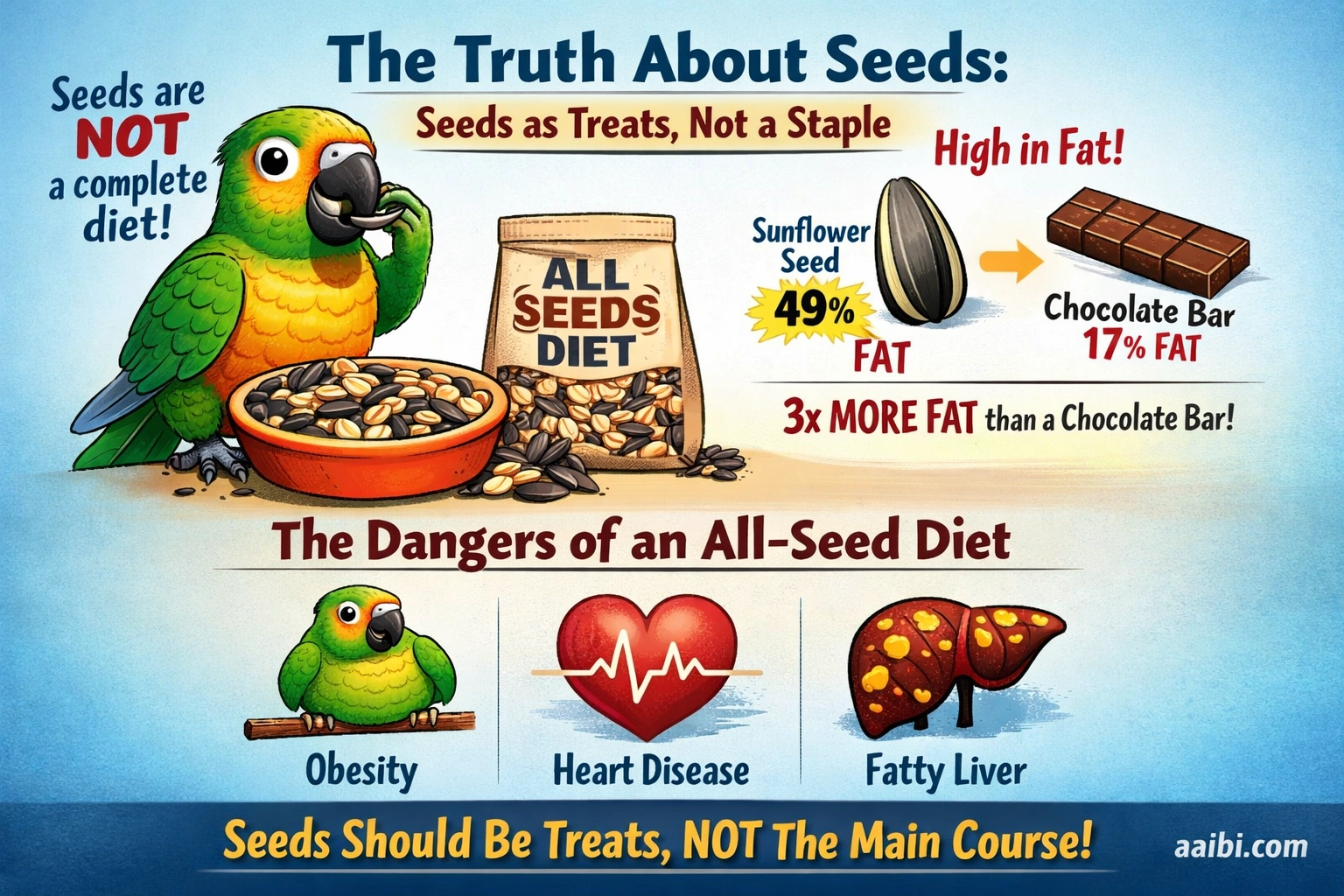
For years, pet birds were fed mostly seed-based diets simply because there wasn’t enough guidance on proper nutrition. Today, avian veterinarians agree that a diet consisting primarily of seeds is the avian equivalent of a human living on fast food and cookies .
Seeds are high in fat. Sunflower seeds, a favorite of many parrots, are 49% fat—that’s three times as much fat as the average chocolate bar . Birds love fatty foods just as children love junk food, but the health consequences are serious. Birds on all-seed diets suffer from obesity, heart disease, fatty liver disease, diabetes, and poor skin and feather condition .
This doesn’t mean seeds are bad. In the wild, parrots eat a wide variety of foods including green buds, roots, insects, leaves, flowers, and bark, with seeds being available only seasonally . In captivity, seeds should be treated as a small part of a balanced diet or as high-value training treats.
The Best Healthy Seeds for Parrots
When choosing seeds for your parrot, quality matters. Look for organic seeds grown without synthetic fertilizers or pesticides, as these preserve natural vitamins and minerals while minimizing chemical exposure . You can test seed freshness by sprinkling a few on damp cotton wool—they should sprout within a couple of days. Seeds that fail to sprout have lost most of their nutritional value .
Here are some of the healthiest seed options to offer your parrot:
Other safe seeds include barley, buckwheat, canary seed, millet (red, yellow, white), oats, quinoa, and sesame . Remember, variety is key—rotate different seeds to provide a range of nutrients and keep mealtime interesting .
The Magic of Sprouted Seeds
In the wild, many parrots feed on sprouting grains, which are packed with enhanced nutrition . Sprouting unlocks enzymes and increases the bioavailability of vitamins, making sprouted seeds even healthier than dry ones.
How to sprout seeds at home:
- Rinse a small batch of seeds (try sunflower, millet, or hemp) in a sieve.
- Soak them in fresh, cold water for no more than 8 hours to prevent fermentation .
- Rinse again, then suspend the sieve over a bowl and cover it.
- Rinse every 8 hours to prevent mildew. Within 24-48 hours, seeds will begin to sprout .
- Once sprouted, dry on a tea towel before serving. Never offer them cold from the fridge .
Note: Avoid sprouting oats, as they go moldy quickly, and flax, which becomes slimy during germination .
Part 2: The Role of Pellets and Fresh Foods
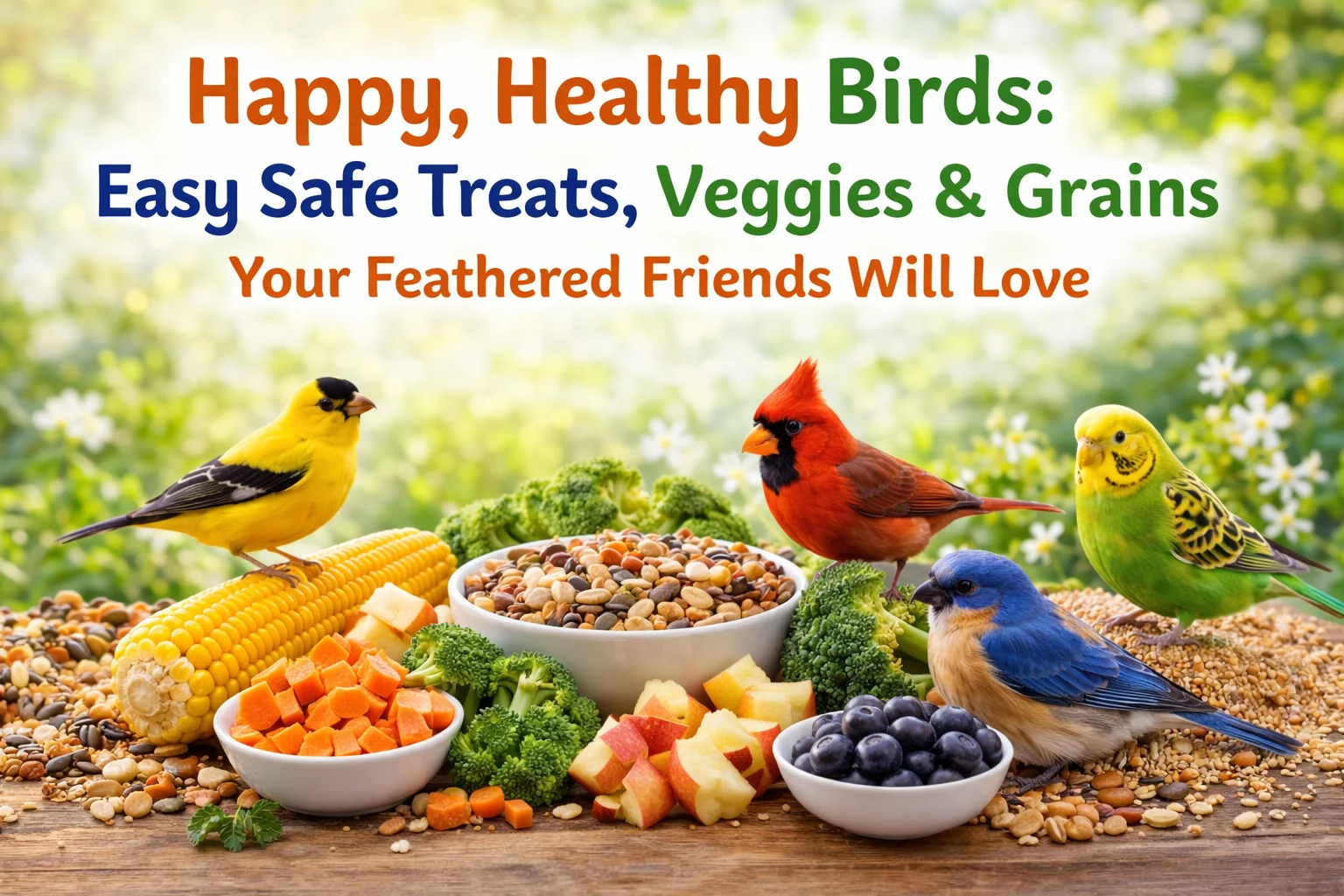
If seeds shouldn’t be the main course, what should? Avian veterinarians recommend that a parrot’s diet should consist of approximately 60% high-quality formulated pellets and 40% fresh vegetables, with seeds and fruit used only as occasional treats .
Pellets are formulated to meet the best guesses for nutritional requirements based on available research. Birds on a pelleted diet live longer, have fewer health problems, and look better than birds on seed-based diets .
For vegetables, aim for variety by color:
- Yellow vegetables: Corn, carrot, sweet potato, pumpkin
- Green vegetables: Beans, peas, Swiss chard, broccoli, milk thistle, dandelion
- Red vegetables: Beetroot, peppers, chilies
Fruit should be given sparingly as it is high in sugar. Choose low-glycemic options like apples, berries, bananas, grapes, kiwis, peaches, and pears .
Part 3: Bird Vitamins and Supplements
Even with the best intentions, it can be challenging to ensure a parrot gets 100% of the nutrients it needs from food alone. This is where vitamins and supplements come in.
Why Supplementation Matters
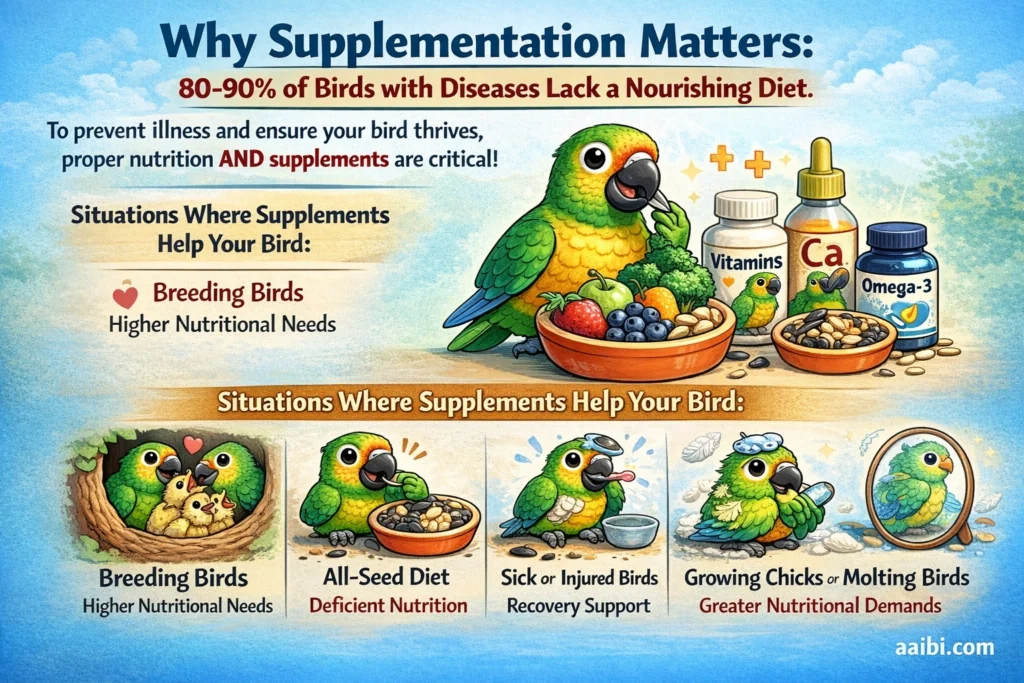
It has been estimated that 80-90% of birds who develop diseases also lack a nourishing diet . Birds are particularly good at hiding illness, so by the time you notice symptoms like changes in stool, loss of appetite, wheezing, or fluffed feathers, the disease may be advanced . Prevention through proper nutrition—including supplementation when needed—is critical.
Common situations where supplements are beneficial include:
- Breeding birds, who have increased nutritional demands
- Birds maintained on a deficient, all-seed diet
- Sick or injured birds recovering
- Growing chicks and molting birds
Essential Vitamins for Parrots
Vitamin A is the most common deficiency seen in pet birds . This “skin vitamin” is essential for healthy eyes, feathers, reproductive system, and immune function. Symptoms of deficiency include white spots in the mouth that catch infection, swollen eyes, dull feather color, wheezing, and weight loss . Vitamin A can be provided as beta carotene, which converts to vitamin A as needed, with excess safely excreted.
Vitamin D3 is crucial for calcium absorption, making it essential for healthy bones, feathers, and egg laying . Birds synthesize vitamin D3 with the help of sunlight or full-spectrum lighting—but note that windows filter out UV rays, so placing a bird by a window is not enough .
Vitamin E acts as a powerful antioxidant, scavenging free radicals and protecting other vitamins (A, B-complex, and C) from oxidation . It supports immune function and helps birds recover from stressors like molting or relocation .
B-Complex Vitamins (B6, B12, thiamin, riboflavin, niacin, pantothenic acid, folic acid, biotin) work together to help break down food and convert it to energy. These vitamins are continuously excreted from the body, so they should be provided daily .
Calcium is one of the most essential minerals for pet birds, supporting bone strength, feather development, blood clotting, and egg production in breeding hens . Provide calcium through cuttlebones, mineral blocks, or specialized supplements.
Omega-3 and Omega-6 Fatty Acids support healthy skin, vibrant feathers, and optimal organ function when provided in the proper ratio .
Types of Supplements and How to Use Them
Supplements come in several forms:
Powders are versatile and can be added to drinking water, soaked seed, or fresh food preparations. For example, Passwell Multi-Vite contains 20 vitamins and minerals and can be added at 1g per liter of water or 2g per kg of food .
Liquid drops can be added to drinking water or administered directly into the beak. Multivitamin oral drops for ornamental birds typically contain vitamin A, D3, E, and B-complex vitamins, along with minerals like calcium .
Electrolyte supplements are beneficial during periods of heat stress, as birds lose important minerals through increased panting and water consumption .
Probiotics and prebiotics support gut health. Probiotics are “friendly bacteria” that colonize the gut, while prebiotics serve as food for these beneficial bacteria. These are especially useful during brooding, after feed changes, or during illness .
A Word of Caution: More Is Not Better
While supplements are beneficial, over-supplementation can be harmful. Vitamins A and D3, in particular, can be toxic to birds at high doses . Excessive calcium can lead to hypercalcemia, causing kidney stones, gout, and calcification of blood vessels .
Always follow manufacturer recommendations and consult with an avian veterinarian before starting any supplement regimen. If you’re feeding a high-quality pelleted diet, additional vitamin supplementation may not be necessary—in fact, adding supplements to balanced pellets can lead to dangerous overdoses .
Building the Perfect Diet
For a healthy, happy parrot, aim for this nutritional foundation:
- 60% high-quality formulated pellets
- 40% fresh vegetables (a colorful “chop” mix)
- Treats: Small amounts of seeds, low-GI fruits, and nuts
- Supplements: As recommended by your avian vet based on your bird’s life stage and health status
Remember that transitioning a seed-addicted bird to a healthier diet takes patience. Gradually reduce seed while introducing pellets and vegetables mixed together. If your bird looks unwell during the transition, offer some seed immediately—you may have pushed too hard .
By understanding the true role of seeds and the value of targeted supplementation, you can provide your feathered companion with the nutrition they need to thrive for decades to come.




Leave a Reply