
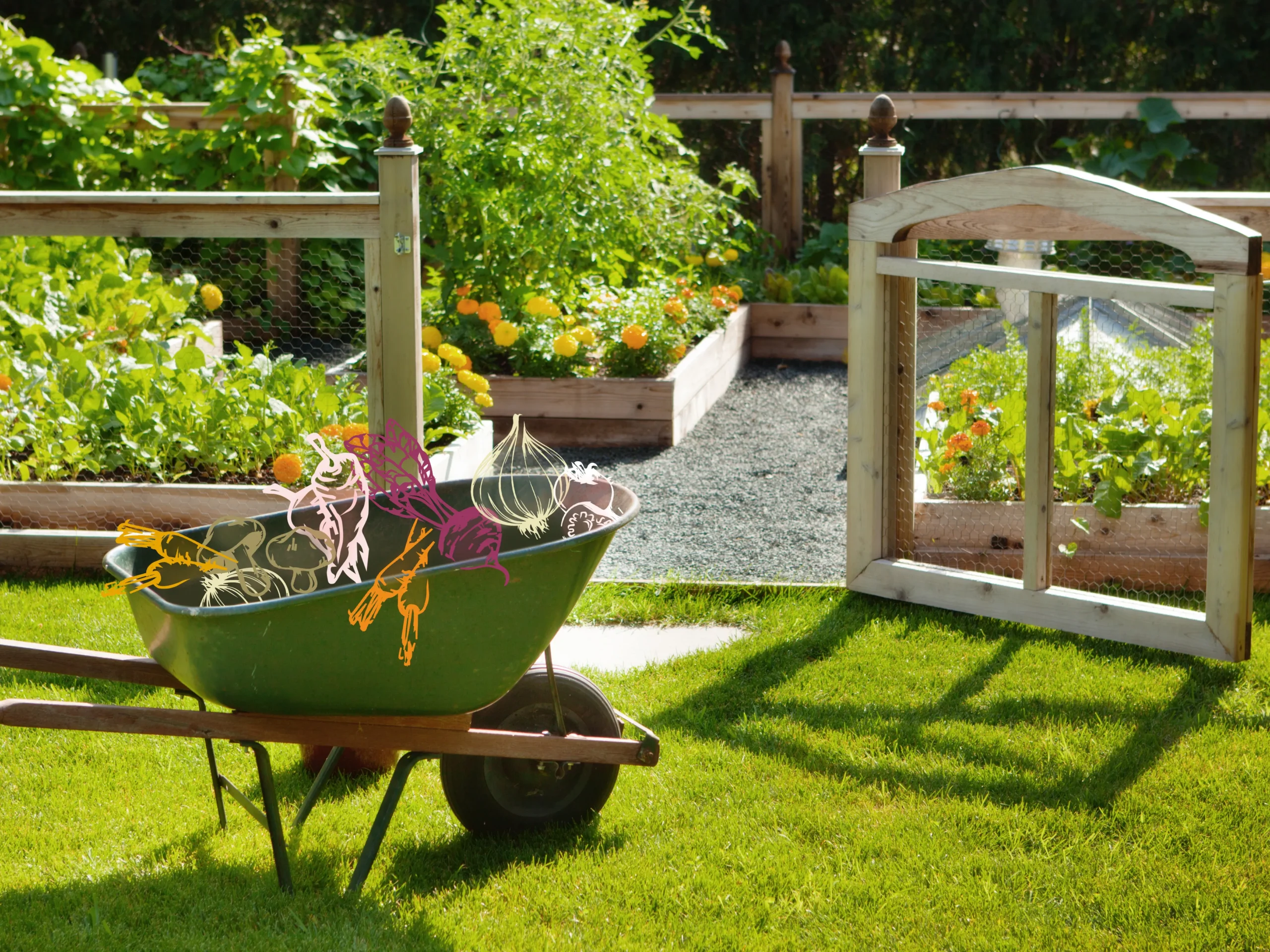
Congrats on deciding to start a backyard vegetable garden! Whether you’re in chilly Zone 5 (last frost often mid-May), milder Zone 7 (April), or warmer Zone 9+ (February/March), March 2026 is prime planning and early planting time across much of the USA. Raised beds or simple plots give beginners control over soil, drainage, and weeds — and they warm up faster than in-ground gardens for earlier starts.
This guide is an interactive adventure tailored for USA beginners in early March. Grab a pen or notes app: quiz yourself, choose your setup, and map your first crops by the end!
Step 1: The 60-Second Quiz – Customize Your Garden! 🧠
Answer these:
- USDA Hardiness Zone? (Quick check: Almanac.com/frostdates or USDA site — e.g., Zone 5 northern, Zone 8 southern.)
- Space available: Small yard/raised bed (4×4 or 4×8 ft), medium plot, or pots only?
- Sun exposure: 6–8+ hours full sun (essential for veggies!), partial, or mixed?
Quick matches:
- Cooler zones (3–6) → Cool-season crops like peas, lettuce, radishes.
- Milder zones (7–10) → Start tomatoes/peppers indoors, plant greens now.
- Small space → Pots or one 4×8 raised bed (classic beginner size).
Jot your top ideas — we’ll refine them!
Step 2: Why Start a Backyard Garden in March 2026?
- Fresh, homegrown produce saves money and tastes better.
- Raised beds warm soil earlier, extend your season.
- Health perks: Exercise, stress relief, and nutrient-dense food.
- Eco-win: Less transport emissions, more pollinators.
- Right now: Many areas have workable soil; check your last frost date (often April–May in northern zones, earlier south).
Step 3: Choose Your Beginner Setup Style
Pick what fits your quiz:
Option 1: Super Simple – Pots & Containers (Easiest entry)
- 12–18″ pots/grow bags for tomatoes, peppers, herbs, lettuce.
- Great for patios/decks; movable for sun.
- Cost: Low ($20–50 per pot + soil).
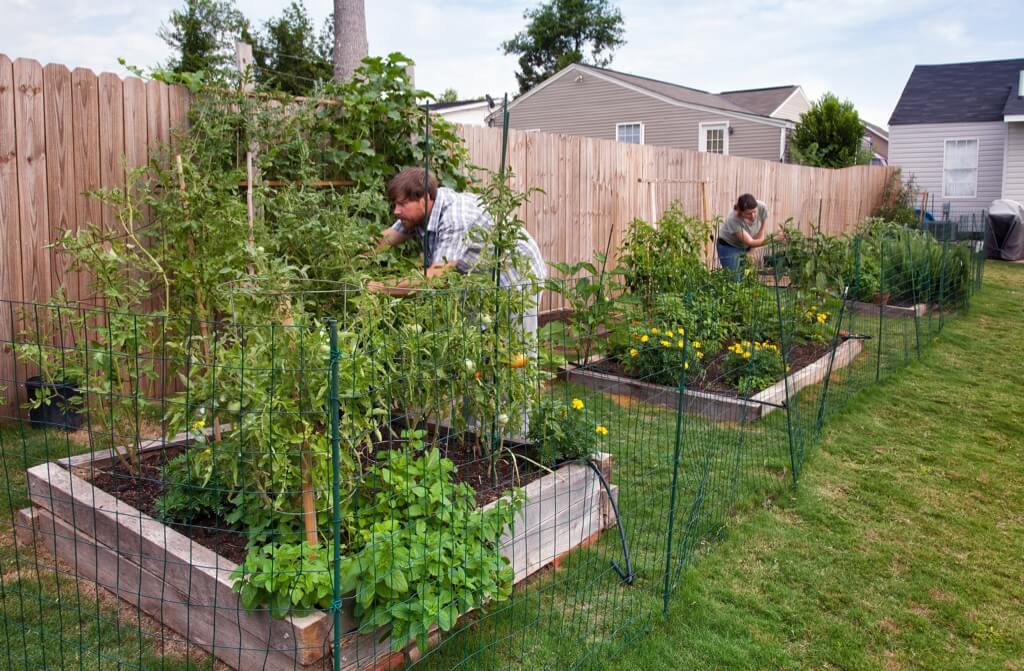
Option 2: Classic Raised Beds (Most recommended for beginners)
- Start with 4×4 ft or 4×8 ft (easy to reach, no stepping inside).
- Materials: Cedar/untreated wood, cinder blocks, or kits (avoid treated lumber for veggies). Depth 12–18″.
- Benefits: Better drainage, fewer weeds, warmer soil.
- Fill with: Quality mix (e.g., 1/3 topsoil + 1/3 compost + 1/3 aeration like vermiculite).
Option 3: In-Ground Plot (If good native soil)
- Loosen soil, add compost, mulch edges.
Interactive challenge: Which style? Example: “One 4×8 raised bed”!
Step 4: Location, Soil & Basic Tools
- Spot: Level, 6–8+ hours sun, near hose, away from trees/roots.
- Soil: Never use plain garden dirt (compacts). Use raised bed mix or amend heavily with compost.
- Tools (under $50–100): Trowel, gloves, watering can/hose, soil thermometer (optional but helpful).
- Watering: Deep, morning soaks; mulch to retain moisture.
Step 5: What to Plant in March (By Zone – Adjust for Your Last Frost!)
Check your average last frost (Almanac.com or local extension) — plant tender crops after!
Cool-Season Stars (Direct Sow Outdoors Now in Most Zones):
- Peas, radishes, spinach, lettuce, kale, Swiss chard, carrots, beets, arugula.
- Onions/sets, potatoes (in trenches).
Start Indoors for Transplant Later:
- Tomatoes, peppers, eggplant, broccoli (Zones 5+ — gives head start).
Zones 8–10 (Warmer South/West): Push beans, corn, squash if soil warm (50°F+); transplant tomatoes/peppers soon.
Pro tip: Add marigolds/nasturtiums for pest control and pollinators!
Step 6: Pick Your Theme Garden (Choose Your Adventure!)
Fun ways to fill your space:
- Salad Bowl Starter: Lettuce mix + spinach + radishes + carrots + chives (4×4 bed perfect).
- Classic Veggie Combo: Peas (trellis) + bush beans + tomatoes + basil (wait for frost-free).
- Easy Herbs & Greens: Parsley + cilantro + dill + kale.
- Pollinator-Friendly: Zinnias + marigolds around veggies.
Your turn: Pick a theme + list 4 plants. Takes seconds — makes it exciting!
Final Launch Tips for Success
- Start small: 4–8 plants max first season.
- Succession sow greens every 2 weeks for steady harvest.
- Monitor weather — use row covers if late frost threatens.
- Compost kitchen scraps for free nutrients.
- Observe daily — early fixes beat big problems.
- Celebrate your first radish or salad — photo op!
Your backyard garden will soon deliver fresh flavor and joy. In weeks/months (depending on zone), you’ll harvest your own veggies!
Quick share time: What’s your zone/setup style? Or first crop you’re excited for?
Happy gardening — here’s to a bountiful 2026 season! 🌿🍅✨