
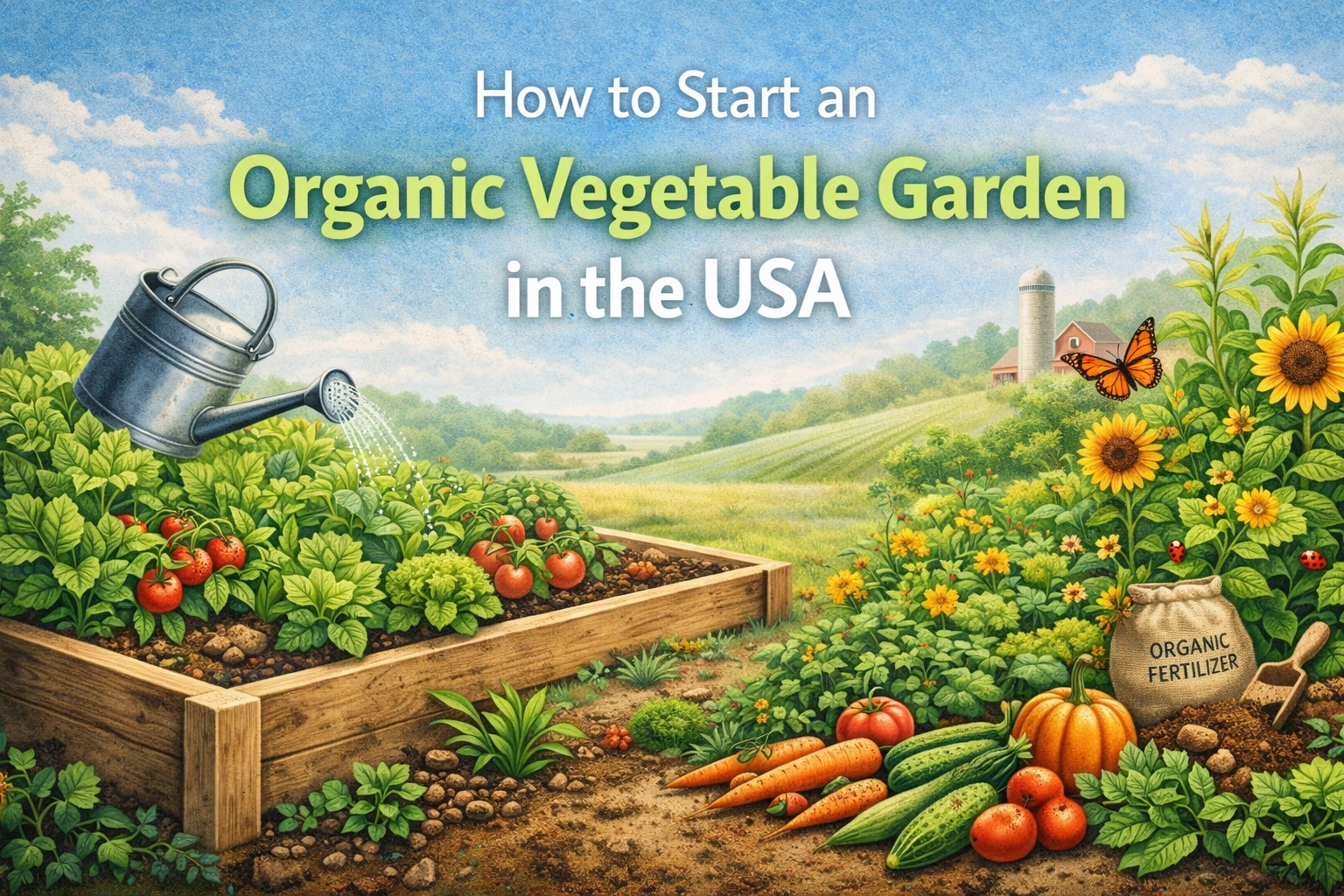
Organic vegetable gardening means growing fresh, flavorful produce without synthetic pesticides, herbicides, or fertilizers — relying instead on natural methods, healthy soil, and biodiversity. In the USA, it’s easier than ever with raised beds, local extension resources, and OMRI-listed products. Whether you’re in Zone 5 (northern chill) or Zone 9 (southern mild), March 2026 is an ideal time to plan, start seeds indoors, and prep beds for spring planting.
This isn’t a static list — it’s an interactive adventure. Grab a notebook or app: quiz yourself, choose crops, and build your plan by the end!
Step 1: The 60-Second Quiz – Tailor Organic Gardening to Your Spot! 🧠
Answer these:
- USDA Hardiness Zone? (Check almanac.com or USDA site — e.g., 5 northern, 8 southern.)
- Sun exposure: 6–8+ hours full sun (must-have for most veggies), partial, or mixed?
- Setup: Raised beds, in-ground, pots, or starting small?
Quick matches:
- Cooler zones (3–6)/full sun → Cool-season stars: peas, spinach, lettuce.
- Milder zones (7–10) → Early greens now; tomatoes/peppers indoors.
- Raised beds → Excellent drainage + warmer soil = organic success.
Jot your top 3 crop ideas — we’ll refine them!
Step 2: Why Go Organic in Your USA Backyard?
- Healthier food — No chemical residues; often more nutrients.
- Better for the planet — Builds soil health, supports pollinators, sequesters carbon.
- Resilient plants — Strong soil fights drought, pests naturally.
- Cost savings — Compost your scraps; fewer store-bought inputs.
- Fun & rewarding — Watching beneficial insects arrive feels like magic!
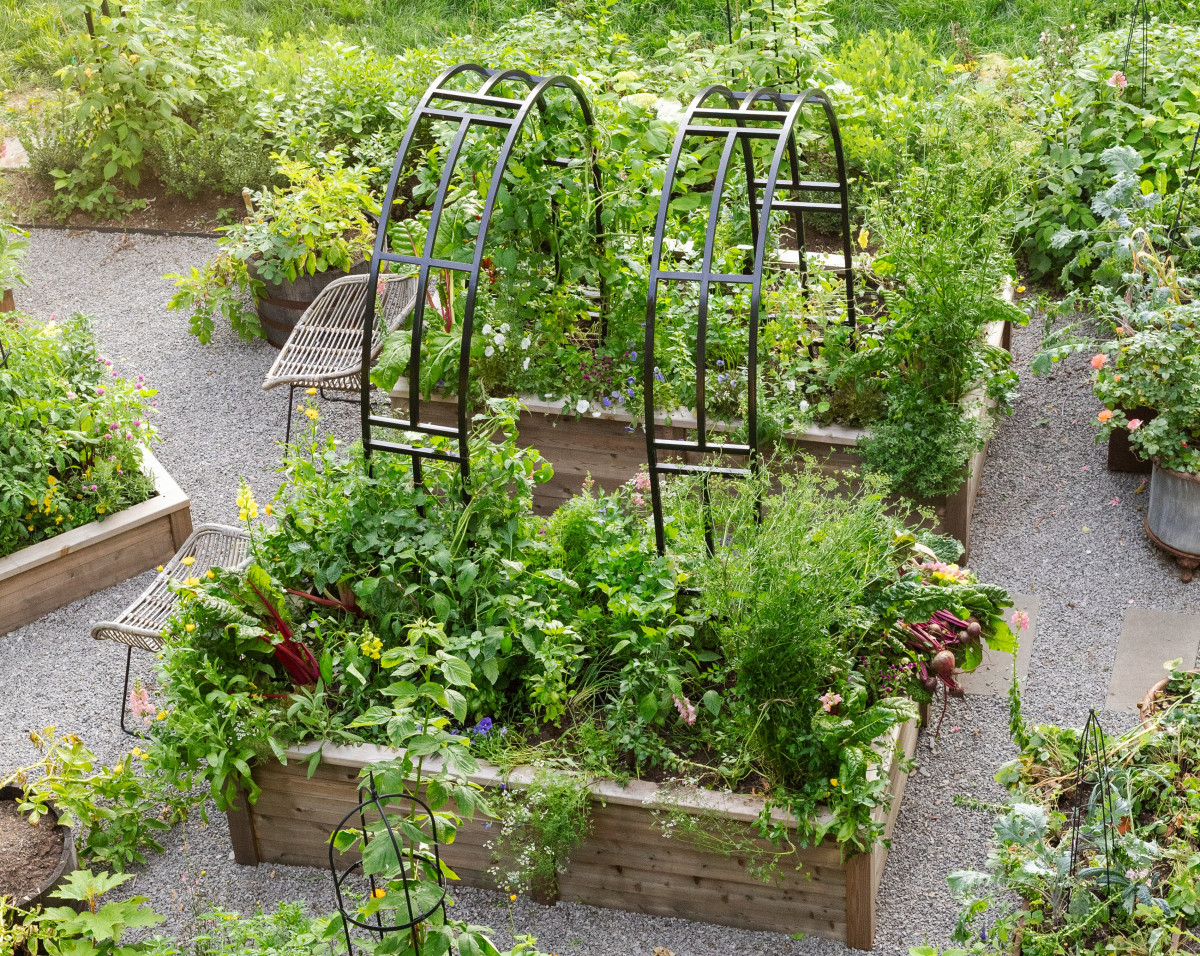
The Complete Guide to Raised Beds • Gardenary
Step 3: Core Pillars of Organic Vegetable Gardening
1. Soil – Build Living Earth Start with quality raised bed mix: 1/3 topsoil/compost + 1/3 compost + 1/3 aeration (vermiculite/perlite). Add organic matter yearly — compost is king! Test pH (aim 6.0–7.0) via local extension.
2. Seeds & Varieties – Choose Winners Buy organic/heirloom seeds (Johnny’s, Baker Creek, etc.). For March:
- Direct sow outdoors (cool zones if soil 40°F+): Peas, radishes, spinach, lettuce, kale, carrots, beets, arugula.
- Start indoors (for transplant): Broccoli, cabbage, cauliflower, tomatoes, peppers, eggplant (especially Zones 5+ for head start).
- Zones 8–10: Beans, corn, squash if soil warm; greens ongoing.
Pro tip: Succession sow greens every 2 weeks for steady harvests!
3. Watering & Mulching Deep, infrequent morning water. Mulch 2–4″ with straw/leaves to retain moisture, suppress weeds.
4. Feeding Organically Compost, worm castings, fish emulsion, or kelp meal. No synthetics!

How to Build a Compost Bin: Step-by-Step Guide with Photos ~ Homestead and Chill
Step 4: Organic Pest & Disease Control – Nature’s Toolbox
Common USA foes: Aphids, caterpillars, squash bugs. Prevent first:
- Companion planting — Marigolds repel nematodes/aphids; basil with tomatoes.
- Healthy practices — Crop rotation, good airflow, strong plants.
- Natural fixes — Insecticidal soap, neem oil, BT (for caterpillars), handpicking, row covers. Attract beneficials with flowers!
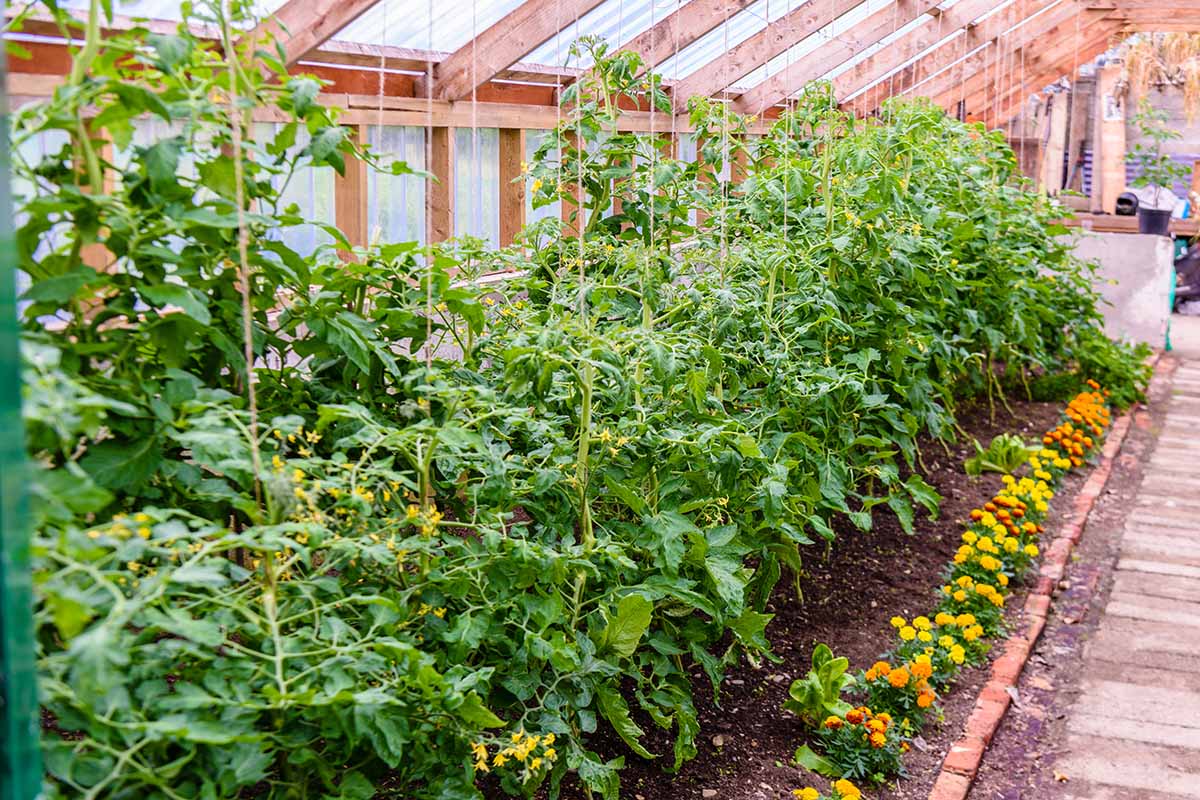

Interactive challenge: Which pest method excites you — neem spray, row covers, or companion flowers?
Step 5: Pick Your Theme Garden (Choose Your Adventure!)
Make it playful — select one:
- Salad Bowl: Mixed lettuces + spinach + radishes + carrots + chives.
- Classic Summer Stars: Tomatoes + basil + peppers + marigolds (start indoors now).
- Cool-Season Power: Peas (trellis) + kale + broccoli + onions.
- Pollinator Haven: Add zinnias/nasturtiums around veggies.
Your turn: Choose a theme + list 4 plants. Takes 30 seconds — makes it real!
Final Tips to Launch Your Organic USA Garden
- Start small — 4–8 plants or one bed.
- Use row covers for frost protection in cooler zones.
- Compost kitchen/yard waste — build a simple bin!
- Observe daily — early intervention wins.
- Harvest often — promotes more production.
- Check local extension (e.g., NC State, Almanac) for zone-specific advice.
Organic vegetable gardening turns your backyard into a thriving, chemical-free oasis. In weeks to months, you’ll enjoy your first harvest!
Quick share time: What’s your zone? Or first organic crop you’re planting?
Happy gardening — fresh, organic veggies await! 🌿✨