

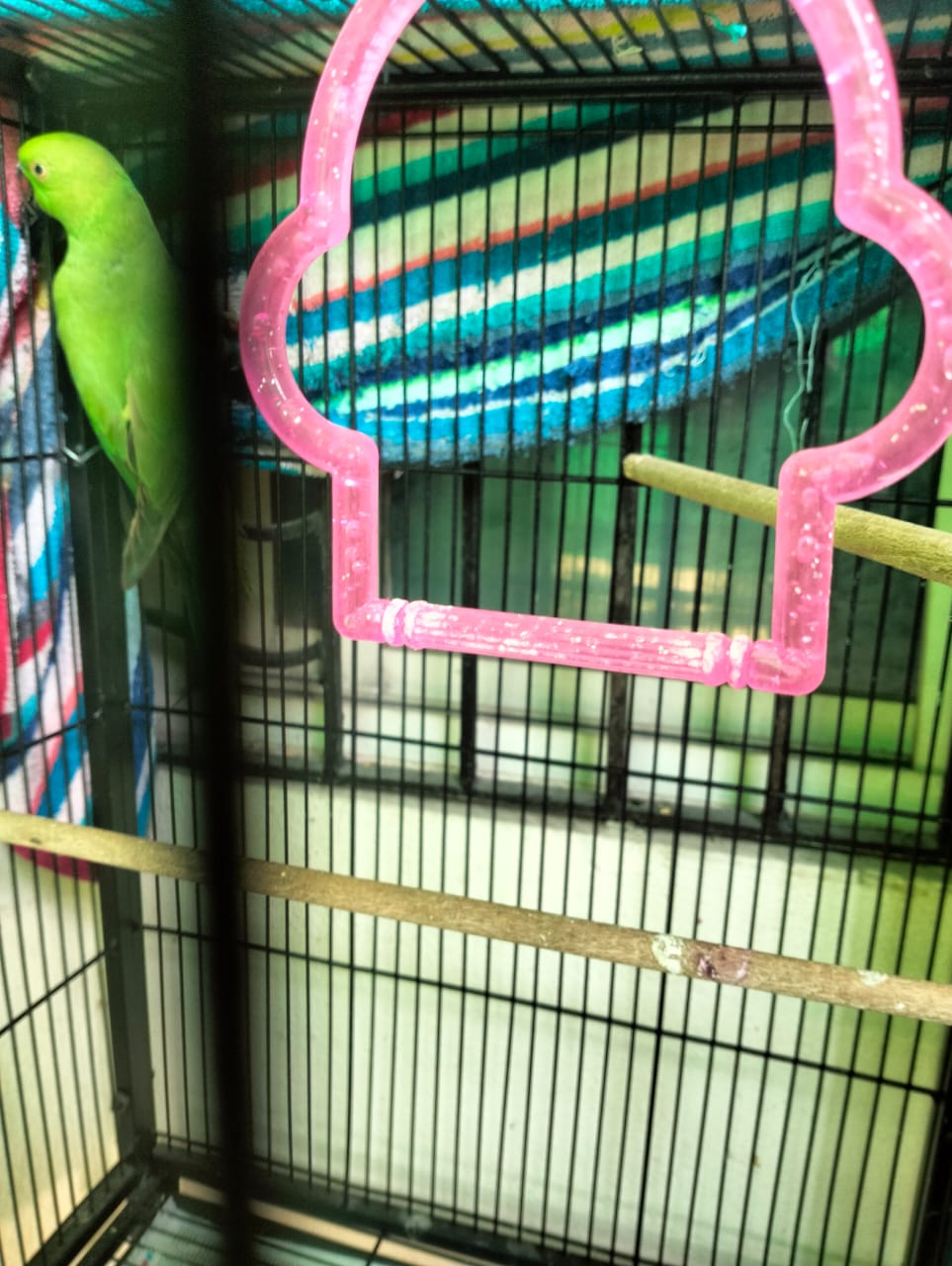
Green Parakeet Lifespan: How Long These Vibrant Birds Live and What Affects Their LongevityThe green parakeet (Psittacara holochlorus) is a lively, intelligent, bright-green parrot native to Mexico and parts of Central America. Known for their social nature, loud calls, and striking plumage, these birds have become increasingly popular among bird enthusiasts. One of the most common questions owners and researchers ask is: How long do green parakeets live?

Average Lifespan of Green Parakeets
In the Wild
Wild green parakeets typically live 10 to 15 years. Life in natural habitats exposes them to predators, food scarcity, environmental hazards, and competition, which can shorten their lifespan.
In Captivity

When kept as pets or in professional aviaries, green parakeets often live up to 20–25 years, with some individuals reaching 30 years under exceptional care. The controlled environment, regular diet, medical attention, and reduced stress all contribute to a longer life.
🪶 FEATHER FUN LAB 🪶
🍹 water color changes celery!
Factors That Influence Their Lifespan
1. Diet Quality
A balanced diet is essential. Green parakeets thrive on:
- High-quality pellets
- Fresh vegetables (leafy greens, carrots, peppers)
- Fruits in moderation
- Seeds and nuts as treats
Poor nutrition can lead to obesity, malnutrition, and organ problems, significantly shortening lifespan.
2. Environmental Enrichment
Green parakeets are intelligent and active. They need:
- Spacious cages or aviaries
- Daily out-of-cage time
- Toys that encourage chewing, foraging, and problem-solving

Mental stimulation prevents stress, which can weaken the immune system and reduce life expectancy.
3. Veterinary Care
Regular checkups help detect:
- Respiratory infections
- Parasites
- Nutritional deficiencies
- Beak or feather disorders
Early intervention can extend their lifespan.
4. Social Well-Being
Parakeets are flock-oriented. Birds that experience loneliness or lack bonding may develop behavioral issues or stress-related illnesses. Companionship—whether from another bird or their human—is vital.
5. Clean, Safe Environment
Exposure to airborne toxins (like non-stick cookware fumes), cigarette smoke, or poor hygiene can be life-threatening. A clean, ventilated living space is crucial for their long-term health.
Signs of Aging in Green Parakeets
As green parakeets age, you may notice:
- Reduced activity levels
- Slight dulling of feathers
- Longer rest periods
- Beak and nail overgrowth
- Increased susceptibility to illness
Monitoring these signs helps owners adjust care as needed.
How to Extend Your Green Parakeet’s Lifespan
- Provide a nutritious, varied diet
- Keep their environment clean and toxin-free
- Create a stimulating, spacious living area
- Ensure regular veterinary visits
- Maintain social interaction and bonding time
- Offer mental and physical enrichment daily
The lifespan of a green parakeet varies widely depending on its environment. While wild individuals average 10–15 years, those in loving, attentive homes can enjoy 20–30 years of healthy life. With proper care, enrichment, and medical attention, these charismatic birds can be long-lasting companions.
Green Parakeet Care Guide for Pet Owners
Green parakeets (Psittacara holochlorus) are intelligent, energetic, and social birds that thrive with attentive, consistent care. This guide covers everything you need to keep your pet parakeet healthy, happy, and mentally enriched.
1. Housing & Environment
Cage Size
Green parakeets are larger and more active than budgies. The cage should be:
- Minimum size: 32″ L × 23″ W × 35″ H
- Bar spacing: ½–⅝ inch
- Shape: Rectangular (provides better flight room)
Bigger is always better—these birds need space to flap, climb, and move.
Placement
- Keep the cage at eye level, near household activity but away from chaos.
- Avoid drafty areas, direct sunlight, kitchens (dangerous fumes), and bathrooms (humidity swings).
- Ensure 12 hours of darkness each night for proper rest.
Interior Setup
- Multiple perches (vary widths & textures) to prevent foot problems.
- At least 3 toys that encourage chewing, shredding, and foraging.
- Food and water dishes positioned away from roosting perches to stay clean.
- A bathing dish or spray mist several times a week.
2. Nutrition
Base Diet
A proper diet should include:
- High-quality pellets (60–70% of total diet)
- Fresh vegetables daily (leafy greens, carrots, bell peppers, broccoli)
- Fruit sparingly (apple, berries, mango—avoid avocado!)
- Seeds and nuts only as treats or training rewards
Prohibited Foods
- Avocado
- Chocolate
- Alcohol
- Caffeine
- Onion & garlic
- Salty or sugary human foods
- Foods cooked in non-stick pans (fumes are lethal)
Fresh Water
Change water daily, or more often if it’s soiled.

3. Socialization & Enrichment
Green parakeets are flock birds with strong social needs.
Daily Interaction
- Aim for 1–2 hours of out-of-cage time each day.
- Talk, whistle, or train them using positive reinforcement.
- Provide a variety of toys and rotate them weekly to prevent boredom.
Mental Stimulation
- Foraging toys
- Shreddable items (palm leaves, paper, balsa wood)
- Puzzle feeders
- Safe branches for chewing (apple, willow)
Companionship
A single bird needs more human interaction.
A pair or group satisfies social needs more naturally but requires a larger aviary.
4. Health Care
Veterinary Needs
- Annual avian vet checkup
- Nail and beak trims as recommended
- Routine parasite checks
- Maintain a record of weight, appetite, and behavior
Signs of Illness
If you notice any of the following, seek an avian vet immediately:
- Fluffed feathers for long periods
- Rapid or labored breathing
- Loss of appetite
- Lethargy
- Discharge from eyes or nostrils
- Change in droppings
- Sitting at bottom of cage
Birds hide illness—early detection saves lives.
5. Training & Behavior
Positive Reinforcement
Use treats (small pieces of fruit or seeds) to reinforce:
- Step-up command
- Recall (coming to you)
- Calm perching behavior
Common Behavioral Issues
- Biting: often due to fear or overstimulation
- Screaming: boredom, lack of social time, or needs not being met
- Feather plucking: stress, boredom, illness, or poor diet
Address the root cause rather than punishing the bird.
6. Safety & Hazards
Household Dangers
- Teflon/PTFE/PFOA fumes (from non-stick cookware)
- Open water sources (toilets, sinks, bathtubs)
- Toxic plants (lilies, philodendrons, poinsettia)
- Ceiling fans
- Open windows and doors
- Candles, aerosols, perfumes
Cleaning
- Use bird-safe cleaners or diluted vinegar solution.
- Remove the bird from the room while cleaning, and ensure proper ventilation.
7. Lifespan & Long-Term Needs
With proper care, pet green parakeets often live:
- 20–25 years, sometimes up to 30 years.
They require a long-term commitment to social interaction, enrichment, and veterinary care.
Conclusion
Green parakeets are spirited, intelligent companions that thrive with space, stimulation, and social interaction. By providing a balanced diet, a safe environment, and ongoing enrichment, you can ensure your parakeet lives a long, healthy, and fulfilling life.




Leave a Reply