

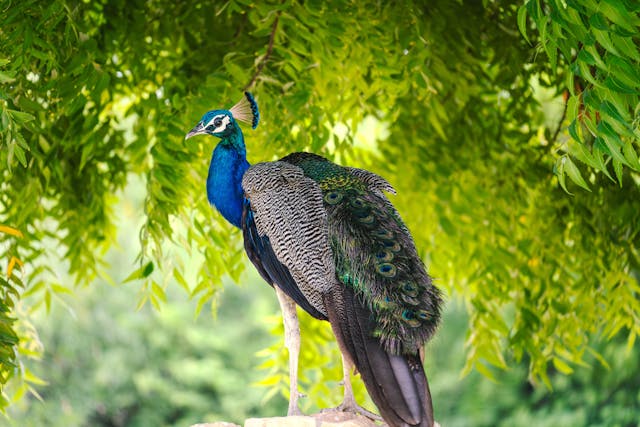
The idea is seductive: a regal bird with iridescent feathers strolling through your garden, fanning out a shimmering display of blues and greens like living art. The Indian Peafowl—commonly called the peacock—has become a symbol of beauty, luxury, and exotic ownership.
But here’s the unvarnished truth: a peacock is not a pet. It never has been, and it never will be.
1. They Are Not Domesticated—At All
Unlike chickens or dogs, peafowl have never undergone true domestication. The Indian Peafowl is still biologically wired as a wild bird, even when raised in captivity.
That means:
- Strong survival instincts
- High reactivity to threats
- Unpredictable behavior, especially during breeding season
You’re not “taming” a peacock—you’re temporarily coexisting with a wild animal that tolerates your presence.
2. The Noise Problem No One Talks About
Peacocks are loud—extremely loud.
Their signature call isn’t a soft chirp; it’s a piercing, echoing scream that can carry for kilometers. During mating season, males call repeatedly—sometimes dozens of times per hour.
Think:
- Early morning screaming
- Midnight alarm calls
- Continuous vocalization during monsoons
In urban or suburban settings, this alone can create serious conflict with neighbors.
3. Territorial Aggression Is Real
During breeding season, male peacocks become intensely territorial. They may:
- Chase humans
- Attack reflective surfaces (cars, windows)
- Display aggressive posturing with wings and spurs
This isn’t rare—it’s expected behavior. Their elaborate display isn’t just for attraction; it’s also a dominance signal.
4. They Don’t Bond Like Pets
A dog seeks companionship. A parrot can form social bonds.
A peacock? Not really.
Even hand-raised individuals:
- Don’t show consistent affection
- Remain independent and aloof
- May ignore or avoid human interaction
At best, they recognize you as a food source—not a social partner.
5. They Need Space—A Lot of It
Peafowl are ground-foraging birds that roam large territories in the wild. Confinement leads to:
- Stress behaviors
- Feather damage
- Reduced lifespan
A proper setup isn’t a cage—it’s:
- Open land
- Roosting trees
- Safe predator-free zones
Anything less is inadequate from a welfare perspective.
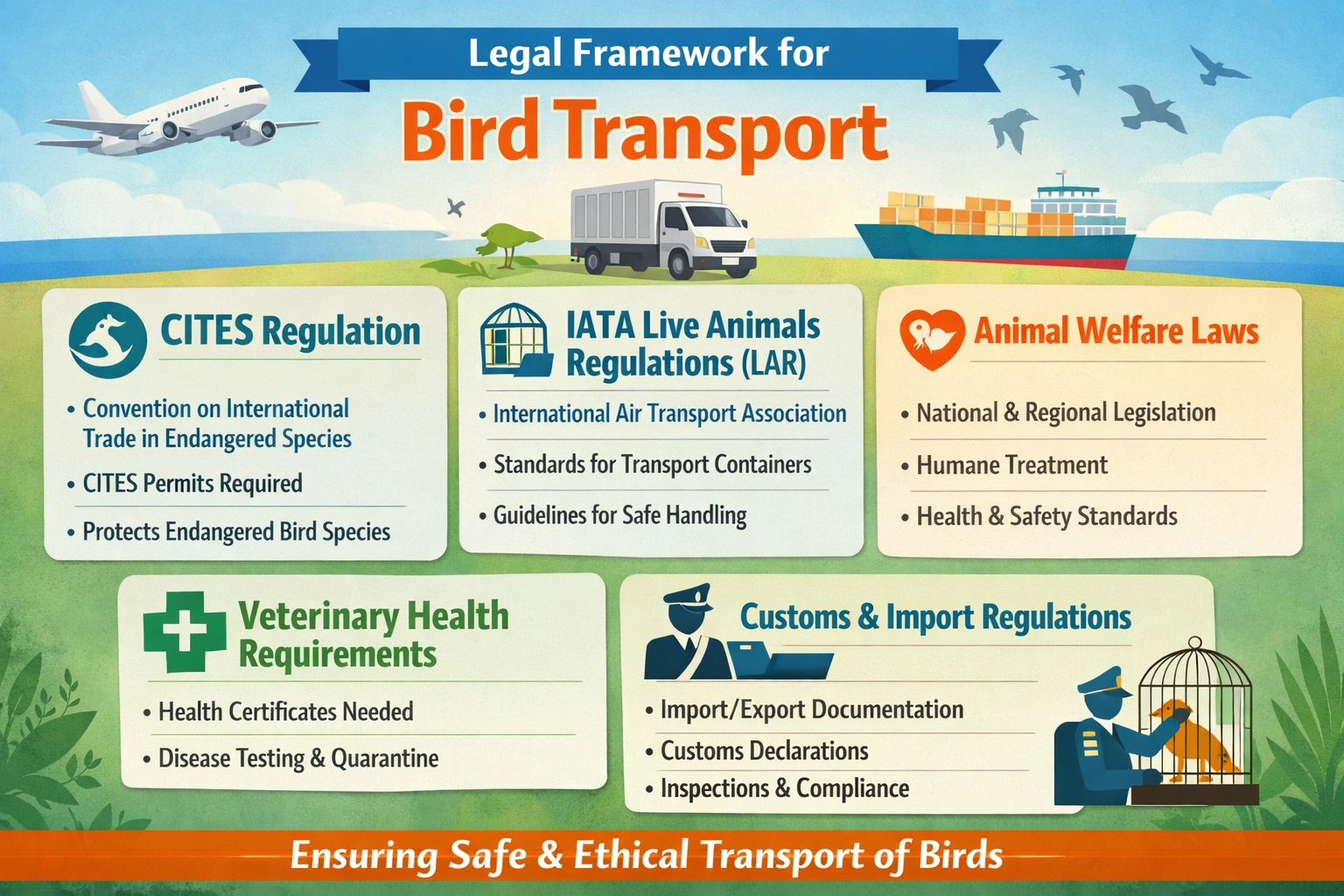
6. Legal and Ethical Barriers
In many regions, the Indian Peafowl is protected under wildlife laws due to its ecological and cultural significance.
For example:
- In India, it is the national bird and enjoys legal protection
- Capturing or trading wild individuals is illegal
- Ownership regulations vary and can be strict
Even where legal, ethical concerns remain: should a wild display bird be confined for aesthetic pleasure?
7. They Are Messy and Destructive
Peacocks are not tidy animals. Expect:
- Droppings everywhere (roofs, cars, patios)
- Garden destruction while foraging
- Damage to crops and ornamental plants
Their long tail feathers also shed and break, creating constant debris.
8. Veterinary Care Is Complicated
Finding vets experienced with exotic birds like peafowl can be difficult. Health issues such as:
- Parasites
- Nutritional deficiencies
- Injuries from territorial fights
require specialized knowledge—not your average pet clinic.
9. The Myth vs Reality Gap
Myth: A peacock will beautify your home like a living ornament.
Reality: It will dominate your space, your soundscape, and your expectations.
Myth: They are calm, majestic, and gentle.
Reality: They are noisy, territorial, and biologically wild.
Myth: They behave like large ornamental chickens.
Reality: They behave like semi-wild forest birds with strong instincts.
Countless articles will discuss the space, fencing, and diet required for peacocks. Few will prepare you for the sound. To call it a “call” is a disservice. It is a vocal event.
The peacock’s signature cry—a resonant, far-carrying may-AW, may-AW—is not a background noise. It is a presence. It is designed by millennia of evolution to travel for miles through dense jungle to attract a mate and warn of danger. In a quiet suburban setting, it becomes an acoustic focal point. It can startle seasoned guests, interrupt Zoom calls with the force of a fire alarm, and create a unique form of PTSD in local delivery drivers.
But the real nuance is in the when. Peacocks are not diurnal in their vocalizations; they are opportunistic. A full moon can trigger a 2 AM chorus. A car door slamming three blocks away can be interpreted as a challenge, resulting in a 20-minute territorial declamation at 5:30 AM on a Sunday. During mating season (spring to early summer), the males enter a state of vocal hyperactivity. It’s not just a call; it’s an operatic performance that can last for hours.
The unique challenge here is social. Before acquiring peafowl, a responsible owner must have a conversation that goes beyond property lines. A frank, pre-emptive discussion with every neighbor within a quarter-mile radius is essential. Offering to “gift” them a high-quality white noise machine as a preemptive peace offering is a strategy whispered among experienced keepers. Keeping peacocks isn’t just about managing a bird; it’s about managing an entire community’s tolerance for one of the most distinctive and unignorable sounds in the animal kingdom.
You’ve built the spacious coop, the 8-foot fence, and the sturdy roosts. You are prepared. No, you are not. A peacock’s relationship with your actual house is one of casual, majestic destruction.
Forget what you know about chicken-proofing. Peacocks are not foragers; they are aerial investigators. Their first instinct upon arriving at your property will be to map its topography from the highest vantage point. This is your roof. Specifically, your roof ridge. They will land on it with the grace of a pterodactyl, and their sharp, powerful claws will systematically remove, inspect, and scatter every single asphalt shingle tab within a 10-foot radius. Your roof will suddenly develop a charming, post-storm aesthetic.
The assault continues at ground level. Peacocks are irrationally attracted to their own reflection. A parked car with a glossy finish is not transportation; it is a rival male. They will spend hours engaged in a silent, psychological war with their reflection, raking their claws down the doors and pecking at the side mirrors until the glass is shattered or the paint is reduced to a network of fine scratches. Windows become similar battlegrounds.
The unique secret of seasoned peacock owners is that their homes are armored. They invest in metal roof ridges, park vehicles under covered carports or inside garages at all times, and apply anti-reflective film to ground-floor windows. The true cost of peacock ownership isn’t the initial coop or the feed bill; it’s the ongoing, un-budgeted line item for “architectural repairs and vehicular cosmetic maintenance.” You don’t just prepare a home for a peacock; you peacock-proof it, accepting that your dwelling will now exist in a state of beautiful, permanent compromise.
Final Verdict: Admire, Don’t Own
Peacocks are best appreciated in:
- Wildlife reserves
- Open farms with proper management
- Natural habitats where they can express full behavior
They are not companions—they are spectacles of evolution.
Trying to turn one into a pet doesn’t elevate your lifestyle; it compromises the bird’s welfare and creates avoidable challenges for you.
A Better Alternative
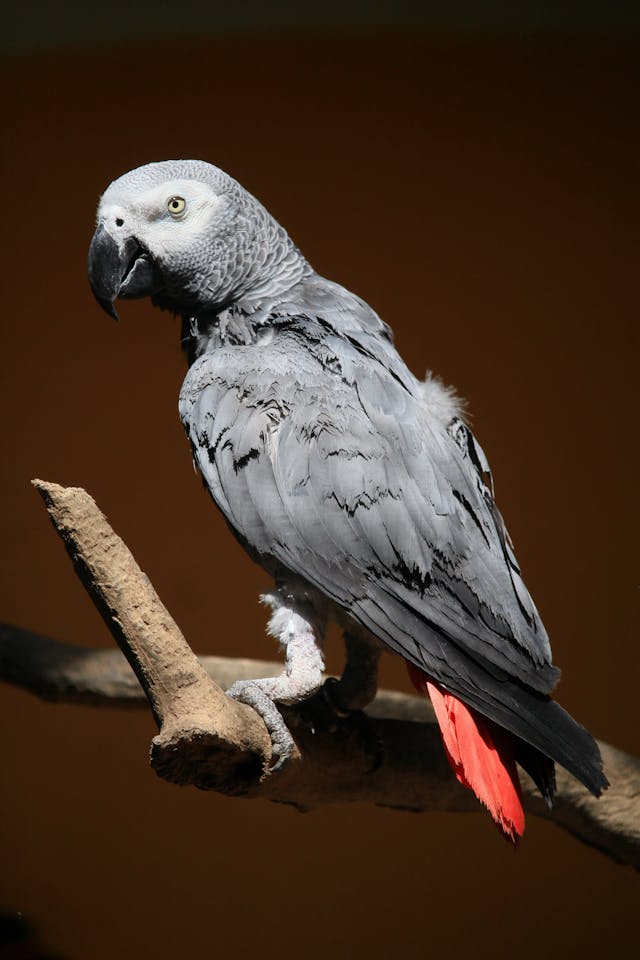
If you’re drawn to beauty and intelligence in birds, consider species that are actually suited for companionship—domesticated or well-adapted to captive life.
Because sometimes, the most respectful way to love an animal… is to let it remain wild



Leave a Reply