

Japan is known for its rich culture, ancient traditions, and distinctive dog breeds. Many Japanese dog breeds—like the Shiba Inu and Akita Inu—are admired worldwide for their loyalty, intelligence, and courage.
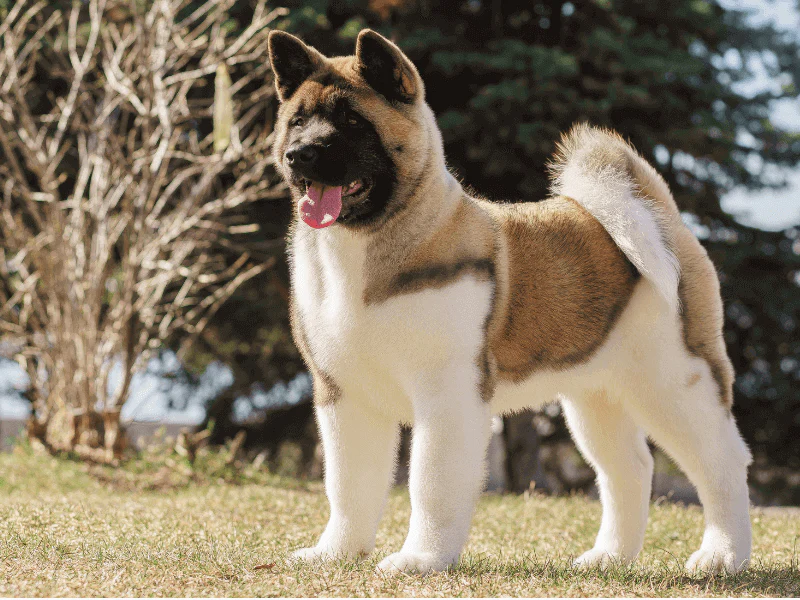
know Few Dangerous Japanese Dog Breeds and how to protect from them.
However, some breeds from Japan have strong protective instincts and powerful physiques that can make them dangerous if not properly trained or socialized.

In this article, we explore the most dangerous Japanese dog breeds, their temperaments, and what makes them both impressive and potentially risky companions.
1. Tosa Inu (Japanese Mastiff)
The Tosa Inu, often called the Japanese fighting dog, is arguably the most dangerous Japanese dog breed. Originally bred for dog fighting in the 19th century, this powerful and muscular breed was developed by crossing native Japanese dogs with Western breeds like the Mastiff, Great Dane, and Bull Terrier.The Tosa Inu: Japan’s Silent Giant and Former Fighting Dog
Bred in the Tosa province (modern-day Kōchi) specifically for dog fighting, the Tosa is a rare mastiff-type breed. Males routinely reach 130–200+ pounds and stand 24–32 inches at the shoulder, with a short, smooth coat (often brindle, fawn, or red), loose skin, and a massive head.
Key Traits:
- Size: Up to 200 lbs (90 kg)
- Temperament: Fearless, dominant, protective
- Risk Factor: Aggressive toward other dogs; requires experienced handlers
Why It’s Considered Dangerous:

The Tosa Inu’s strength and fighting background make it potentially dangerous when not trained correctly. It is banned or restricted in several countries, including the UK and Australia, due to its history as a Japanese fighting breed.

DAGANXI Tactical Dog Collar, Adjustable Military Training Nylon Dog Collar with Control Handle and Heavy Metal Buckle for Medium and Large Dogs, with Patches and Airtags

2. Akita Inu
The Akita Inu is one of the most iconic and ancient Japanese dog breeds. Known for its loyalty—epitomized by the famous dog Hachikō—the Akita is also known for being territorial and independent.
Key Traits:Akitas rank high on some bite-incident lists because of their size and unwillingness to back down. They are notorious for “littermate syndrome” and can be dangerous around small children or other pets if not raised with them from puppyhood. Many insurance companies classify Akitas as high-risk, and some landlords or cities impose restrictions.
- Size: 70–130 lbs (32–59 kg)
- Temperament: Loyal, aloof, strong-willed
- Risk Factor: Can be aggressive toward strangers and same-sex dogs
Why It’s Considered Dangerous:
The Akita has a dominant personality and a strong prey drive. Without consistent training and socialization, it may become aggressive or unpredictable, especially toward unfamiliar animals or people.
3. Shikoku Inu
The Shikoku is a rare hunting breed from Japan’s Shikoku Island. Bred to hunt boar and deer, it’s energetic, brave, and tenacious.
Key Traits:
- Size: 35–55 lbs (16–25 kg)
- Temperament: Alert, loyal, intelligent
- Risk Factor: High prey drive; may show aggression toward smaller pets
Why It’s Considered Dangerous:
Though smaller than the Akita or Tosa, the Shikoku Inu’s hunting instincts can lead to aggressive chasing behavior and difficulty obeying commands if not properly trained.

4. Kai Ken (Tiger Dog)
Known as the “Tiger Dog” because of its brindle coat, the Kai Ken is a natural hunter. While typically loyal and affectionate toward its family, it can become aggressive or protective if threatened.
Key Traits:
- Size: 30–50 lbs (14–23 kg)
- Temperament: Loyal, alert, cautious
- Risk Factor: Wary of strangers; strong hunting instincts
Why It’s Considered Dangerous:
The Kai Ken can be territorial and suspicious of outsiders. Lack of socialization may lead to fear-based aggression, especially in high-stress environments.
5. Kishu Ken
The Kishu Ken is another ancient Japanese breed developed for hunting large game like boar and deer. Its calm demeanor hides a powerful and determined nature.
Key Traits:
- Size: 30–60 lbs (14–27 kg)
- Temperament: Quiet, loyal, strong-willed
- Risk Factor: Can show aggression toward other animals
Why It’s Considered Dangerous:
When not properly trained, the Kishu Ken’s hunting instincts and independence can cause aggressive outbursts, particularly toward other pets or smaller animals.

Are Japanese Dogs Naturally Aggressive?
Not all Japanese dog breeds are aggressive by nature. In fact, many are deeply loyal and affectionate toward their families. However, most Japanese breeds were developed for hunting or guarding, which means they need strong leadership, early socialization, and consistent training to prevent behavioral issues.
Aggression usually results from poor training, neglect, or lack of socialization—not from the breed itself.
Safety Tips Specific to Akitas
- Start obedience training the day you bring the puppy home; use food rewards and short sessions.
- Never allow unsupervised play with other dogs or small animals.
- Teach children to respect the Akita’s space—never treat it like a teddy bear.
- Spay/neuter early to reduce hormone-driven aggression.
- Provide daily mental stimulation (puzzle toys, scent work) to prevent boredom-related issues.
General Safety Tips for Owning Powerful Japanese Guardian Breeds
Responsible breeding — Choose reputable breeders who health-test and temperament-test parents. Avoid backyard breeders or imports with unknown histories.
Choose the right owner profile — These are not first-time or “family dog for kids” breeds. Ideal owners are confident, consistent, and committed to lifelong training.
Socialize relentlessly — Expose puppies to 100+ people, dogs, sounds, and environments before 16 weeks. Continue throughout life.
Train with leadership, not force — Positive reinforcement + clear rules works far better than dominance methods.Never leave unsupervised — With children, other pets, or visitors.
Use proper equipment — Strong harnesses, leashes, and secure crates; avoid choke or prong collars unless professionally advised.
Health & exercise — Daily walks (at least 60 minutes) plus mental work. Regular vet checks for bloat (common in deep-chested breeds).
Know local laws — Check breed-specific legislation (BSL) in your city or country before bringing one home.
- Early Socialization: Introduce your dog to people, pets, and new environments at a young age.
- Consistent Training: Use positive reinforcement and obedience exercises.
- Exercise: Most Japanese breeds are active; regular physical activity prevents frustration and aggression.
- Supervision: Avoid leaving them alone with small animals or children until well-trained.
- Professional Guidance: Seek help from a certified dog behaviorist if you notice signs of aggression.
Conclusion
The dangerous Japanese dog breeds—such as the Tosa Inu, Akita Inu, and Shikoku Inu—are not inherently vicious, but their powerful instincts and dominance require responsible ownership. When trained and cared for properly, these majestic dogs can become devoted, loyal, and protective companions.
The Tosa Inu and Akita Inu are breathtaking examples of Japanese canine heritage—noble, courageous, and deeply devoted. Their “dangerous” label stems more from their power and history than from any desire to harm humans. With the right owner, proper training, and realistic expectations, these breeds can be loyal lifetime companions rather than risks.
If you’re considering one, ask yourself honestly: Do I have the time, experience, and commitment these dogs deserve? If the answer is yes, you may discover one of the most rewarding bonds in the dog world. If not, admire them from afar or choose a breed better matched to your lifestyle.
Responsible ownership turns potential danger into profound loyalty—every single time.
Owning a Japanese dog breed is a privilege that comes with responsibility. Understanding their nature is the first step toward a safe and rewarding relationship with these fascinating dogs.
**************************************************************************
🐾 Disclaimer – Dr. Maas | AAIBI Pet Care
our pet care content policy, accuracy standards, and affiliate partnerships.
1. General Disclaimer
The content published on aaibi.com, authored and reviewed by Dr. Maas and our pet care editorial team, is created for educational and informational purposes only.
While we strive to share accurate, up-to-date, and evidence-based information on pet health, behavior, and nutrition, this content should not be considered a substitute for professional veterinary advice.
Always consult your licensed veterinarian or qualified animal healthcare provider for personalized medical guidance or treatment options for your pet. Every animal is unique, and health recommendations may vary depending on breed, age, and lifestyle.
Dr. Maas and AAIBI.com make no guarantees regarding the accuracy, completeness, or suitability of any information provided.
Reliance on any content from this website is done at your own discretion and risk. We assume no liability for any injury, loss, or damage arising directly or indirectly from the use of our information, services, or recommended products.
If your pet is experiencing a medical emergency, contact a veterinary professional or emergency animal clinic immediately.
2. Affiliate Disclaimer
At AAIBI Pet Care, transparency and trust are our top priorities. Some of the links you find on this website are affiliate links. This means that if you click on these links and make a purchase, Dr. Maas and the AAIBI team may earn a small commission, at no additional cost to you.
These commissions help us maintain and improve our platform, continue publishing high-quality pet health articles, product reviews, and care tips, and support the work of Dr. Maas in promoting responsible pet ownership.
We only recommend products, brands, and services that align with our core values of pet safety, quality, and ethical care. Every product mentioned on our site is either tested, reviewed, or carefully researched before being featured.
Amazon Affiliate Disclosure
As a participant in the Amazon Services LLC Associates Program, AAIBI.com and Dr. Maas may earn from qualifying purchases made through our affiliate links.
This partnership does not influence our editorial content, product reviews, or recommendations in any way.
3. Contact Us
If you have questions about this disclaimer or our affiliate relationships, please contact:
📩 Email: info@aaibi.com
🌐 Website: https://www.aaibi.com
4. Final Note from Dr. Maas
“At AAIBI Pet Care, our mission is to guide every pet owner with compassion, accuracy, and integrity. We believe in responsible care and transparency, ensuring your furry friend gets the love and protection they deserve.”
— Dr. Maas, Lead Pet Care Advisor








Leave a Reply