

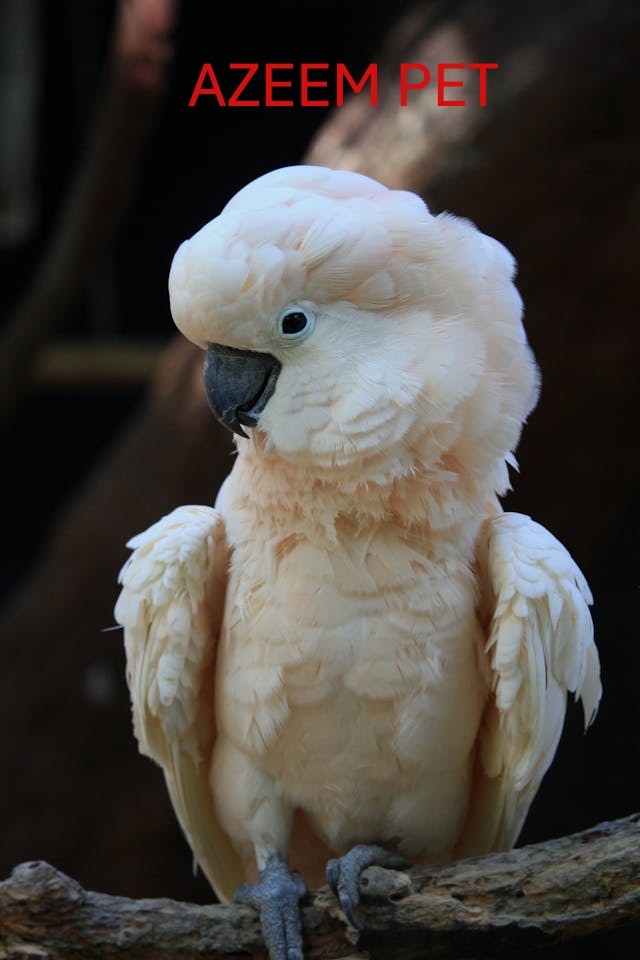
Parrots are among the most intelligent, long-lived, and emotionally complex animals kept as companions. Unfortunately, they are also among the most heavily trafficked wildlife species in the world. Illegal capture and trade have devastated wild populations, caused suffering for countless birds, and contributed to the decline of many species already threatened with extinction.
Being an ethical parrot keeper means ensuring your bird did not come from illegal or unethical sources. Whether you are considering getting a parrot or already own one and want to confirm its origin, the following guide outlines how to verify legitimacy and make responsible choices.

1. Understand Why Verification Matters
Illegal parrot trade involves:
- Wild capture, often using cruel methods like glue traps, nets, or nest raids
- Long-distance smuggling, leading to high mortality
- False paperwork, disguising wild-caught birds as captive-bred
- Funding criminal networks

“Fluff with attitude.”Even if a bird appears healthy, purchasing from unethical channels fuels demand and harms species conservation.
2. Buy Only from Reputable, Transparent, Domestic Breeders
A legitimate breeder should provide:
✔ Complete breeding records
Pedigree history, hatch dates, parent IDs, and pairing logs.
✔ Closed-band identification
Closed, seamless leg bands placed on chicks when they are too young for removal. This is a strong indicator of captive breeding.
✔ Willingness to answer questions
Unethical sellers become vague or defensive when asked about origin.
✔ A clean, inspected facility
Healthy birds, adequate housing, proper sanitation, and socialization.
✔ No pressure sales tactics
Scammers often push quick sales, refuse visits, or offer unusually low prices.
If a breeder refuses a home visit or video call and provides no verifiable documentation, consider it a major red flag.

Ethical parrot keeping begins long before you bring a bird home. By verifying documentation, understanding legal requirements, choosing reputable breeders or rescues, and learning to recognize warning signs, you ensure your companion bird was not taken from the wild. This protects individual birds from suffering, supports conservation efforts, and helps break the cycle of illegal wildlife trade.
3. Request and Verify Legal Documentation
Each country has different regulations, but generally you should expect:
Required documents may include:
- CITES permit (for species listed in Appendix I or II)
- Breeder certificate or certificate of captive breeding
- Transfer of ownership paperwork
- Veterinary records, including microchip IDs
- Local wildlife authority permits (varies by region)
How to verify documents:
- Check serial numbers and authenticity with your local wildlife authority.
- Confirm the breeder name and location matches the permit.
- Verify the age of the bird: wild-caught adults are often falsely labeled as young captive-bred birds.
- Ensure the band or microchip number matches what is written in the paperwork.
Fake documentation is common, so cross-checking with authorities is essential.
4. Learn to Identify Signs of Wild-Caught Birds
Even with paperwork, some birds may have been taken from the wild. Red flags include:
Behavioral signs
- Excessive fearfulness or aggression
- Panic when approached
- Reluctance to step up or interact
- Sudden flight attempts indoors
Physical signs
- Unbanded older birds with no microchip
- Leg scarring from traps or nets
- Poor feather condition upon acquisition
- Overgrown beak or nails from malnutrition during transport
None of these signs alone prove illegal capture, but in combination they warrant caution.
5. Adopt From Rescues When Possible
Ethical keeping is not just about verifying legality — it’s also about reducing demand for the trade industry. Adopting:
- Supports rehabilitation and sanctuary efforts
- Provides a home for birds with nowhere to go
- Helps reduce pressure on wild populations
Reputable rescues provide full transparency about a bird’s history when available.
6. Avoid Purchasing Birds From:
- Street vendors
- Unverified online sellers
- Social media “quick sale” posts
- Breeders unwilling to provide documentation
- Dealers offering extremely rare species at low prices
If the deal sounds too good to be true, it likely involves illegal trade.
7. Check Legal Species Lists in Your Region
Some parrots are prohibited, restricted, or require special permits. Before acquiring a bird, confirm:
- Which species are legal in your country
- What documentation is required
- Whether the species is CITES-listed
- Export/import restrictions if buying abroad
If a seller claims “no paperwork is needed,” verify this independently — many traffickers use this line.
8. Report Suspicious Activity
If you suspect a seller or facility is involved in illegal wildlife trade:
- Report to your local wildlife authority
- Contact national wildlife enforcement agencies
- Provide photos, documentation, and seller details when possible
Your report may help rescue birds and shut down unethical operations.
✓ Ethical Parrot Purchase Verification Checklist
1. Before You Buy
- Research species legality in your region
- Confirm whether the species requires CITES or local permits
- Avoid impulse purchases
- Avoid street vendors, unverified online sellers, or “too good to be true” offers
2. Verify the Seller
- Visit the breeder or seller’s facility (or request a video tour)
- Check for clean housing and healthy birds
- Ensure the breeder answers questions openly
- Confirm they are known or reviewed in avian communities
- Watch for pressure sales or reluctance to show facilities (red flag)
3. Documentation Review
- CITES paperwork (if applicable)
- Breeder certificate or captive-bred statement
- Transfer of ownership record
- Hatch certificate with dates
- Current vet records
- Microchip or closed-banded leg ID
- Confirm all ID numbers match the documents
Verification step:
- Contact your local wildlife authority to confirm permit numbers and authenticity
4. Bird Identification
- Closed leg band (seamless) on young or captive-bred birds
- Microchip number matches paperwork
- No signs of tampered or open bands
5. Behavior and Health Indicators
Possible wild-caught red flags:
- Extreme fearfulness of humans
- Avoids stepping up or interacting
- Startles easily or panics indoors
- Feathers in poor condition
- Leg injuries or scars
- Appears older than stated age
(Any combination of these warrants extra caution.)
6. Adoption Option
- Consider adopting from a rescue or sanctuary
- Ask for any available background information
- Ensure the rescue is reputable and transparent
7. After Acquisition
- Register microchip (if applicable)
- Keep all documents in a safe, accessible place
- Maintain veterinary records
- Educate others about ethical parrot keeping
✓ Final Ethical Check
Before finalizing the purchase or adoption, ask yourself:
“Can I verify this bird’s origin without doubt? Do all documents, IDs, and seller behavior align with legal, ethical sourcing?”

FAQs: Ethical Parrot Keeping & Avoiding Illegal Wildlife Trade
1. How can I tell if a parrot is legally sourced?
Look for verifiable documentation (CITES permits, breeder certificates, veterinary records) and a closed leg band or microchip that matches the paperwork. Always confirm permit numbers with your local wildlife authority.
2. What is the difference between wild-caught and captive-bred?
Captive-bred parrots are born in controlled, legal breeding settings.
Wild-caught parrots are taken from their natural habitat, often illegally. They typically show more fear, stress, or aggression and may lack proper documentation.
3. Are closed leg bands proof of captive breeding?
Closed, seamless bands placed on chicks are strong indicators of captive breeding. However, they can be forged, so always check that:
- The band number matches documents
- The breeder or organization associated with the band is legitimate
4. What is a CITES permit, and why is it important?
CITES (Convention on International Trade in Endangered Species) regulates the trade of protected animals. Many parrot species require CITES permits to be sold legally. Without them, the bird may have been trafficked.
5. Can I trust online bird sellers?
Only if they provide verifiable documentation, are transparent, allow video calls or facility visits, and have positive, traceable reviews. Anonymous or “quick sale” posts are extremely risky and commonly linked to illegal trade.
6. How do I verify that paperwork is real?
Contact your local wildlife or environmental authority, provide the permit numbers, and ask for verification. They can confirm whether:
- The document is real
- The seller is registered
- The species is legal to own
7. What behavior might indicate a bird was wild-caught?
Possible signs include:
- Fear of hands or humans
- Panic or flight attempts indoors
- Reluctance to step up
- Aggressive defensiveness
- Stress plucking (in some cases)
These signs do not prove illegal capture but should prompt deeper investigation.
8. Is it better to adopt a parrot instead of buying one?
In many cases, yes. Adoption reduces demand for commercial breeding and trade, provides homes for birds in need, and supports rescues specializing in rehabilitation and proper placement.
9. Is it illegal to own wild-caught parrots?
In many regions, yes—especially for species protected under national laws or CITES. Even when possession is legal, trading, selling, or transporting wild-caught parrots is often unlawful without specific permits.
10. What should I do if I suspect a breeder or seller is dealing in illegal birds?
Document what you can (screenshots, messages, ads) and report the seller to:
- Local wildlife enforcement agencies
- National conservation authorities
- Animal welfare organizations
Never confront the seller directly—leave investigation to authorities.
11. Are cheap parrots usually illegal?
Often, yes. Traffickers frequently sell birds below market value because they have no breeding costs. Unusually low prices are one of the strongest red flags for illegal sourcing.
12. Should baby parrots always come with paperwork?
Absolutely. Every legally bred parrot should come with:
- Hatch date
- Species information
- Identification (band or microchip)
- Breeder details
- Required permits
If a breeder refuses to provide this, walk away.
13. What’s the safest way to ensure I’m buying ethically?
- Buy only from reputable, transparent breeders
- Ask for full documentation
- Verify with authorities
- Prefer adoption when possible
- Educate yourself on species laws in your region
****************************************************************************
****************************************************************************
Disclaimer: We only recommend products or services that we personally believe are of high quality and relevant to our readers.
Your trust is important to us, and we strive to be transparent and honest in all our content.
: The information provided by Petcare Service is for general informational purposes only and is not a substitute for professional veterinary advice, diagnosis, or treatment. Always consult a qualified veterinarian with any questions regarding your pet’s health or well-being. While we strive to provide accurate and up-to-date information, Petcare Service makes no warranties or guarantees regarding the accuracy, completeness, or reliability of the content on this site. Petcare Service is not responsible for any harm, injury, or adverse outcomes resulting from the use of information, products, or services mentioned on this website.
For any inquiries, please contact us at: petcare@aaibi.com





Leave a Reply