

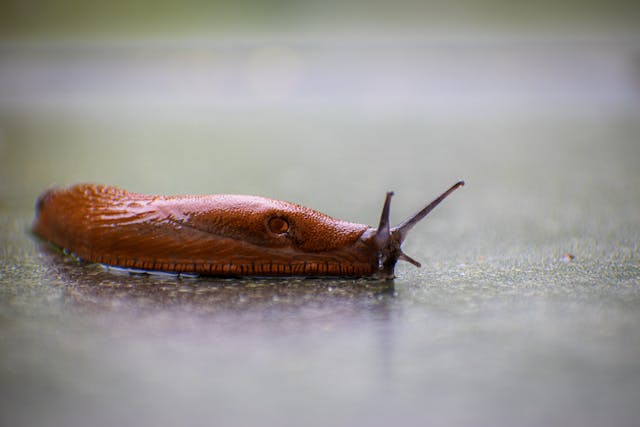
Location: Kingston, Tasmania, Australia
When: March (Annually)
Category: The Creepy & Crawly
Introduction: In Praise of the Humble Gastropod
Let’s be honest—slugs don’t get much respect. They eat our gardens, leave glistening trails across our patios, and rank somewhere near mosquitoes on humanity’s list of favorite creatures. Most people spend their hard-earned money on pesticides to eliminate these slimy gastropods.
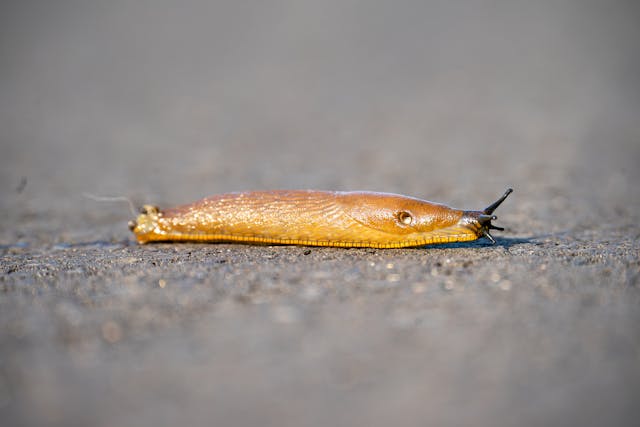
But not the good people of Kingston, Tasmania.
In this charming coastal town just south of Hobart, slugs aren’t pests—they’re celebrities. Each March, Kingston transforms into a haven for mollusk enthusiasts, curious tourists, and anyone who appreciates the beautifully absurd. Welcome to the Slug Festival, where the world’s unlikeliest athletes compete for glory, one slime trail at a time.
The Main Event: Slug Racing at Its Finest
Setting the Stage
Picture this: a crisp autumn day in Tasmania (March is fall Down Under). A crowd has gathered, craning their necks to get a better view of the track. Children press against barriers. Cameras hover, ready to capture history in the making.
And on a tabletop track, no longer than a few meters, the competitors are being placed: slugs.
Not just any slugs, mind you. These are racing slugs—athletes who have trained (or at least, been collected from gardens) for this very moment. Each competitor is given a whimsical name befitting their status as sporting legends. Past champions have included:
- “Slick Rick” – A black slug known for his straight-line speed
- “Lightning Lucy” – A leopard slug with explosive acceleration
- “Speedy Gonzalez” – A tiny but determined contender
- “Usain Slug” – Because of course
- “Slimer” – A ghostly pale specimen inspired by everyone’s favorite ghost
The Rules of Engagement
Slug racing follows a simple but time-honored format:
- The Starting Line: Slugs are placed in the center of a circular or rectangular track. A damp circle is often drawn to keep them contained until the race begins—slugs are generally reluctant to cross dry surfaces.
- The Starting Signal: At the judge’s command, the slugs are released. What happens next is… well, unhurried. Slugs move at their own pace, which is to say, the pace of slugs. A typical race might last anywhere from 5 to 20 minutes, depending on the competitors’ motivation.
- The Rules: There are essentially no rules. Slugs may stop to rest. They may change direction. They may engage in what appears to be philosophical contemplation mid-race. The winner is simply the first slug to reach the outer edge of the track—or sometimes, the first to cover a designated distance.
- Victory: The winning slug (and its proud owner) receives adulation, a small prize, and the eternal glory of being named Kingston’s fastest mollusk.
As one observer noted, slug racing is “less about speed and more about patience”—a gentle reminder that not all competitions need to be high-octane thrill rides.
Beyond Racing: The Full Slug Festival Experience
While slug racing remains the headline attraction, the festival offers a surprisingly rich array of activities for visitors willing to embrace the gastropod theme.
Slug-Inspired Art
Local artists and schoolchildren contribute slug-themed artworks that transform the festival grounds into a gallery of mollusk creativity. Past exhibitions have featured:
- Giant slug sculptures crafted from recycled materials
- Paintings depicting slugs in various heroic poses
- Photography celebrating the hidden beauty of slug anatomy
- Children’s drawings of slugs wearing crowns, capes, and racing gear
The art component serves a deeper purpose: helping visitors see slugs not as pests but as fascinating creatures worthy of appreciation.
Educational Booths
For those curious about the science behind the slime, the festival partners with local environmental organizations and the University of Tasmania to offer educational displays. Visitors can learn:
- The crucial role slugs play in ecosystem health – Slugs are decomposers, breaking down organic matter and recycling nutrients back into the soil. Without them, our gardens would be buried in dead plant material.
- The incredible diversity of slug species – Tasmania is home to numerous native slug species, including some found nowhere else on Earth. The famous “giant slug” of Tasmania (Triboniophorus graeffei) can grow up to 10 centimeters long and comes in striking colors including pink, orange, and cream.
- Slug biology and behavior – Did you know slugs have approximately 27,000 teeth? Or that they can stretch to 20 times their normal length to squeeze through tiny gaps? Or that their slime is actually four different types of mucus, each serving a different function (movement, defense, moisture retention, and adhesion)?
- Conservation challenges – Many native slug species face threats from habitat loss, climate change, and introduced predators. The festival raises awareness about protecting these overlooked creatures.
The Slime Trail Contest
A fan-favorite activity: children (and willing adults) compete to create the most impressive “slime trails” using eco-friendly, washable materials. Participants crawl across paper-covered floors, dragging behind them streamers or fabric to simulate a slug’s path. The most creative, longest, or most artistic trail wins prizes.
Slug-Inspired Cuisine
For the truly adventurous eater, the festival offers the opportunity to sample escargot—prepared by local chefs who transform garden snails (close relatives of slugs) into garlic-butter delicacies. While actual slugs are rarely eaten (they can carry parasites and are generally less palatable than their shelled cousins), the culinary component adds a French twist to the proceedings.
Food vendors also offer more conventional fare with creative slug-themed names: “Slimy Dogs” (hot dogs), “Mucous Muffins,” and “Gastropod Gardens” (salad bowls) keep hungry visitors satisfied.
Kids’ Activities
The Slug Festival is genuinely family-friendly, with activities designed to entertain young visitors:
- Face painting featuring slug designs (some surprisingly adorable)
- “Pin the Tail on the Slug” (though technically, slugs don’t have tails)
- Slug coloring stations
- Storytime featuring slug-themed children’s books
- A “Slime-Making Workshop” where kids create their own gooey substances using safe, washable ingredients
The Deeper Meaning: Why Celebrate Slugs?
At first glance, a festival dedicated to slugs seems like the pinnacle of absurdity—a quirky event designed purely for laughs. But like many seemingly bizarre traditions, the Slug Festival serves purposes that run deeper than entertainment.
Ecological Awareness
The festival’s founders recognized that humans tend to protect what they love, and they love what they know. By making slugs charming, relatable, and even heroic, the festival fosters appreciation for creatures that most people ignore or despise.
Slugs face genuine conservation challenges. Native slug species in Tasmania and elsewhere are threatened by:
- Habitat destruction from urban development and agriculture
- Climate change altering the cool, moist conditions they require
- Introduced predators including rats, hedgehogs, and invasive bird species
- Pesticide use that kills slugs along with targeted pests
By celebrating slugs, the festival encourages visitors to consider their impact on these small but significant creatures.
Community Building
Like all great festivals, the Slug Festival brings people together. Neighbors who might otherwise never interact gather to cheer for racing mollusks. Parents bond while watching their children crawl across floors in slime trails. Local artists gain exposure for their slug-themed creations.
In an increasingly digital world, events that require physical presence—and physical absurdity—remind us of the value of community connection.
Embracing Absurdity
There’s also something genuinely liberating about taking slugs seriously. In a world filled with stress, conflict, and genuine crises, spending an afternoon watching slugs race across a table is a form of gentle rebellion against the weight of it all.
As one festival attendee put it: “You can’t watch a slug race and remain stressed. It’s impossible. The sheer ridiculousness of it resets something in your brain.”
Scientific Contribution
Some versions of the festival partner with researchers who use the event to collect data on local slug populations. Festival-goers who bring slugs from their gardens contribute to citizen science projects tracking species distribution, population health, and the spread of invasive species.
The Origins: How Did This Start?
The Kingston Slug Festival didn’t emerge from ancient tradition or folklore. Like many of Australia’s quirkiest events, it began as a community initiative—a way to bring people together, celebrate local identity, and have a few laughs.
Tasmania has a well-deserved reputation for embracing the unusual. The island state is home to:
- The Mona (Museum of Old and New Art) , one of the world’s most provocative art institutions
- The Tasmanian Tiger (thylacine), an extinct creature that remains central to local mythology
- Numerous “Festivals of the Unusual” celebrating everything from gourmet produce to paranormal encounters
The Slug Festival fits perfectly within this tradition of celebrating Tasmania’s unique character—including its unique wildlife.
Local environmental educators and community organizers likely recognized that slugs, despite their reputation, are fascinating creatures worthy of attention. By creating a festival around them, they transformed a potential source of annoyance into a source of community pride.
Practical Information for Visitors
When to Go
The Slug Festival typically takes place in March, during Tasmania’s autumn season. The weather is generally mild, with cooler temperatures that actually suit slugs quite well (they prefer moisture and avoid hot, dry conditions).
How to Get There
Kingston is located approximately 20 minutes south of Hobart, Tasmania’s capital city. Visitors can:
- Fly into Hobart International Airport (HBA)
- Drive or take a bus from Hobart to Kingston
- Combine the festival with exploration of the stunning Huon Valley and Bruny Island regions
What to Bring
- Comfortable walking shoes for exploring the festival grounds
- A camera to capture the absurdity of slug racing
- Children who will find the activities delightful
- An open mind and willingness to embrace the ridiculous
- Your own slug if you have a particularly speedy specimen (check festival rules regarding outside competitors)
Where to Stay
Kingston offers accommodation options including hotels, motels, and bed & breakfasts. Many visitors choose to stay in Hobart and make the short trip to Kingston for the festival.
Other Attractions
While in the area, visitors can explore:
- Bruny Island – A short drive and ferry ride away, offering stunning landscapes, wildlife, and gourmet food
- Huon Valley – Wine regions, apple orchards, and beautiful scenery
- Mount Wellington – Towering over Hobart, offering panoramic views
- Salamanca Market – Hobart’s famous Saturday market featuring local crafts and produce
- Tasmanian Museum and Art Gallery – Exhibits on Tasmanian natural history, including native slugs
The Bigger Picture: Australia’s Quirky Festival Tradition
The Slug Festival doesn’t exist in isolation. Australia has a glorious tradition of embracing the bizarre and celebrating the overlooked. Consider:
- The Tunarama Festival in Port Lincoln, where contestants throw frozen tuna fish for distance (current record: 37.23 meters)
- The Birdsville Races in the Queensland desert, where horses race in one of the world’s most remote locations
- The Henley-on-Todd Regatta in Alice Springs, a “boat race” held in a dry riverbed where competitors run along the sand carrying bottomless boats
- The Y不下心 Gumboot Throwing Competition in New Zealand (close enough, culturally), celebrating the humble rubber boot
These events share common threads: they’re community-driven, they embrace local identity, and they don’t take themselves too seriously. The Slug Festival fits perfectly within this tradition of Australian and Antipodean quirkiness.
Conclusion: Why the Slug Festival Matters
The Slug Festival in Kingston, Tasmania, is many things: absurd, delightful, educational, and surprisingly moving. It’s a reminder that celebration doesn’t require grandeur—sometimes the smallest, slimiest creatures deserve their moment in the spotlight.
In a world that often feels divided and serious, events like this offer something precious: an excuse to gather, to laugh, to learn, and to appreciate the weird and wonderful world we inhabit. Slugs may never replace kangaroos as Australia’s beloved icons. They may never inspire plush toys or children’s cartoons. But for one weekend each March in a small Tasmanian town, they reign supreme.
And honestly? That’s beautiful.
Whether you’re a dedicated gastropod enthusiast, a curious traveler seeking unique experiences, or simply someone who appreciates life’s absurdities, the Slug Festival welcomes you. Come for the races, stay for the slime, and leave with a newfound appreciation for the humble creatures that share our gardens.
Just don’t expect fast-paced action. Slugs operate on their own timetable—and really, isn’t that a lesson we could all benefit from learning?
Plan Your Visit:
- Website: Check local Tasmanian event listings for current dates
- Facebook: Follow Kingston community pages for announcements
- Contact: Huon Valley Council for tourism information
Have you attended the Slug Festival or another bizarre animal celebration? Share your experiences in the comments below!
Quick Facts Summary
| Category | Details |
|---|---|
| Festival Name | Slug Festival |
| Location | Kingston, Tasmania, Australia |
| Country | Australia |
| Continent | Oceania |
| Typically Held | March (autumn in Australia) |
| Main Event | Slug racing competitions |
| Other Activities | Art exhibits, educational displays, kids’ activities, escargot tasting |
| Purpose | Community building, ecological awareness, entertainment |
| Best For | Families, nature lovers, fans of quirky experiences |
| Nearby Attractions | Hobart, Bruny Island, Huon Valley, Mount Wellington |
This article is part of aaibi.com‘s series on the world’s strangest animal festivals. Read the complete collection: “25 Strangest Animal Festivals on Earth That Feel Completely Unreal.”


Leave a Reply