

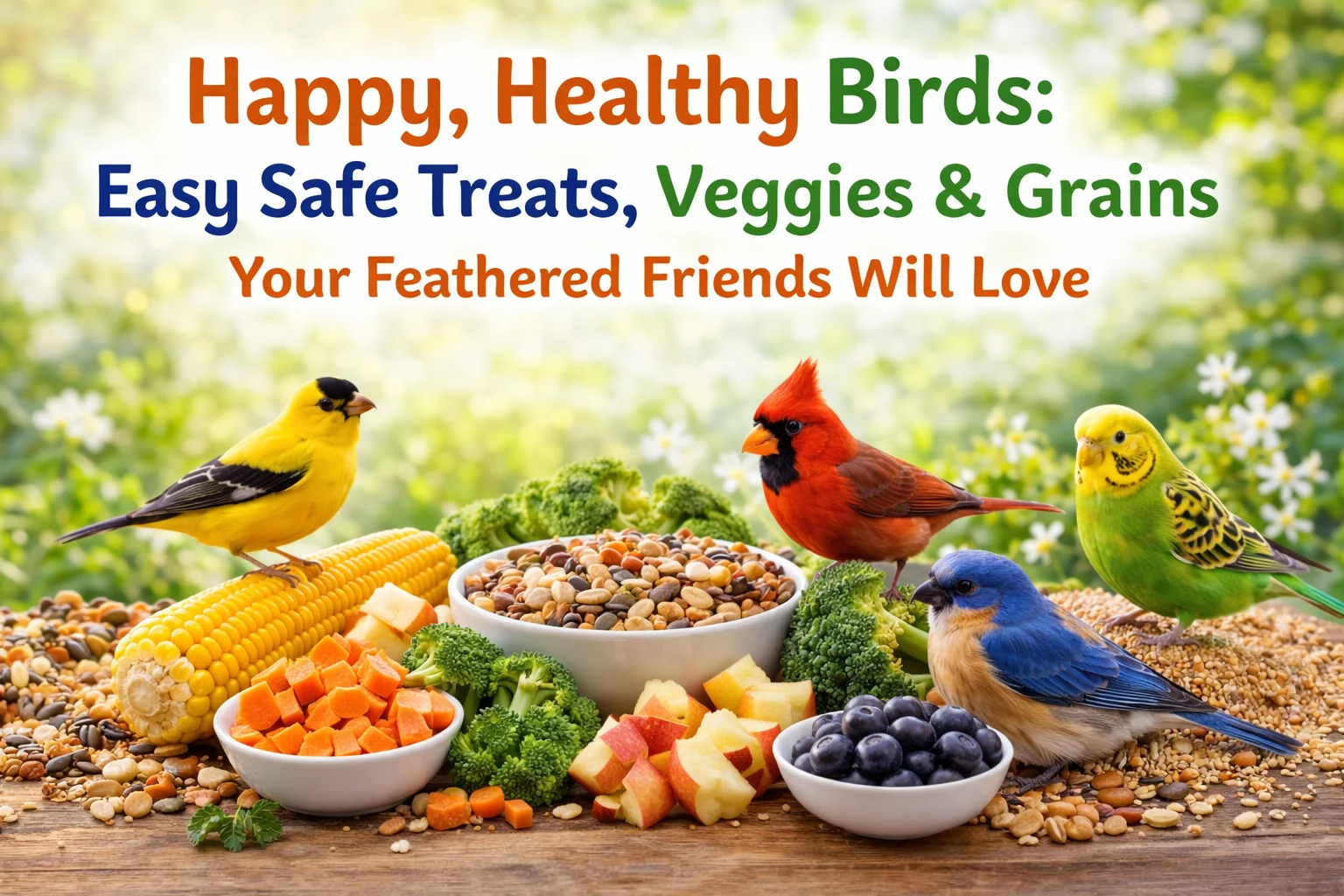
Introduction: The Intersection of Kindness and Science
The soft thud of tiny talons on a wooden perch, the flutter of wings, and the flash of a crimson feather against a backdrop of winter snow—for millions of people, feeding backyard birds is a simple pleasure that fosters a deep connection with nature. In the United States alone, an estimated 50 to 57 million individuals participate in this pastime, collectively distributing over a million tons of seed annually and creating a multi-billion dollar industry centered on feeders, binoculars, and field guides . For many, the backyard feeder is a front-row seat to the drama of the natural world, a source of emotional satisfaction, and, as recent studies suggest, a contributor to better mental well-being .
However, beneath the surface of this wholesome activity lies a complex biological interaction. We are not just “feeding the birds”; we are intervening in their nutritional ecology. The line between helping and harming can be thinner than a sparrow’s beak. While the intention to provide sustenance is pure, the modern backyard bird feeder can inadvertently become a vector for disease, a magnet for predators, or a fast-food joint offering empty calories that do little more than fill a stomach without providing essential nutrients .
Welcome to the “Bird Nutrition Lab”—a concept that transforms your backyard from a simple feeding station into a haven of health and happiness. This guide delves deep into the science and art of avian nutrition. We will explore not just what to feed birds, but why certain foods are essential, how different species have unique dietary needs, and how to supplement commercial seed with safe, nutritious treats from your kitchen. From the dangers of moldy bread and salty bacon to the benefits of calcium-rich eggshells and antioxidant-packed berries, we will dissect the dietary do’s and absolute don’ts.
Understanding avian nutrition requires us to look at birds not as a collective, but as individuals with specific adaptations. A bird’s beak is a tell-tale sign of its diet. The stout, conical beak of a Northern Cardinal is a powerful nutcracker, designed to crush hard seeds. The thin, probing beak of a Bluebird is an insect-gathering tool, ill-suited for sunflower seeds but perfect for mealworms . By catering to these diverse needs, we can attract a wider variety of species and ensure that those who visit our yards are not just surviving, but thriving.
This comprehensive guide will serve as your manual for operating your own Bird Nutrition Lab. We will cover the fundamental principles of avian dietary requirements, provide a catalog of safe and unsafe foods (including vegetables, fruits, grains, and proteins), teach you how to prepare a “bird-friendly” kitchen, and outline the best practices for feeder maintenance and placement. By the end, you will be equipped to create a sustainable, healthy, and happy environment for the feathered friends that grace your garden.
Part 1: The Fundamentals of Avian Health and Happiness
Before we start mixing seeds and chopping vegetables, we must first understand the biological and behavioral needs of the birds we aim to support. A happy bird is, first and foremost, a healthy bird, and health in the wild is a function of nutrition, safety, and environmental enrichment.
1.1 The Myth of Dependency: Are We Really Helping?
It is a common fear among bird enthusiasts that providing food will make birds “lazy” or dependent on handouts. The scientific evidence suggests otherwise, offering reassurance to those who worry. Research on Black-capped Chickadees in Wisconsin revealed that even when feeders were readily available, the birds only obtained about 21% of their daily energy needs from this supplemental source . The vast majority of their diet still came from foraging for natural insects, seeds, and berries.
This indicates that birds view feeders as convenient snack bars, not as their primary grocery store. They are opportunistic, not dependent. Supplemental feeding does not appear to increase overall survival rates in species like chickadees, but it provides a crucial buffer, especially during extreme weather events when natural food is temporarily inaccessible . Therefore, you are not creating a dependent population; you are offering a supplementary resource that can help them through tough patches while still allowing them to engage in their natural foraging behaviors.
1.2 The Pillars of a Healthy Bird Diet
In the wild, birds are master foragers, consuming a varied diet that changes with the seasons. To replicate this in a backyard setting, we must understand the core nutritional components birds require:
- Fats (Lipids): Essential for energy, especially during cold winter months and long migratory flights. Fats provide the most concentrated source of energy, helping birds maintain high body temperatures. Natural sources include insect larvae, nuts, and oily seeds. In our feeders, this translates to suet, peanuts, and black-oil sunflower seeds.
- Proteins: The building blocks of life. Proteins are critical for muscle development, feather growth, and tissue repair. During the breeding season, protein becomes paramount for chicks, which grow at an astonishing rate. Insectivorous birds rely heavily on protein, but even seed-eaters will switch to catching insects in the spring to feed their young . This is why offering mealworms can be so impactful.
- Carbohydrates: A quick source of energy. While not as crucial as fats for long-term survival, carbohydrates from fruits, grains, and nectars provide readily available fuel for daily activities.
- Vitamins and Minerals: These micronutrients are vital for immune function, bone health, and metabolic processes.
- Calcium: Perhaps the most critical mineral. Calcium is essential for strong bones and, most importantly, for the formation of strong eggshells. A lack of calcium can lead to soft-shelled eggs, which are difficult to lay and easily break, posing a serious risk to breeding success . Birds often seek out calcium by consuming grit, snail shells, or, as we will discuss, crushed eggshells.
- Carotenoids: These natural pigments, found in brightly colored fruits and vegetables, are powerful antioxidants. They are responsible for the vibrant red, orange, and yellow hues in bird feathers. A study on the rare hihi bird in New Zealand demonstrated that nestlings fed a diet high in carotenoids grew up to have brighter, more attractive plumage, which directly impacted their breeding success . A bird’s coloration is often a direct signal of its health and diet quality.
1.3 Beyond Food: Enrichment and Happiness
Happiness in birds is not solely about a full belly. It is also about behavioral fulfillment. In the wild, birds spend a significant portion of their day foraging—searching, pecking, manipulating, and problem-solving to find food. A feeder that simply dumps a pile of seeds removes this mental and physical stimulation, potentially leading to boredom .
A “happy” bird is one that is allowed to exhibit its natural behaviors. You can encourage this by:
- Foraging Opportunities: Scatter food in different locations, use feeders that require manipulation (like puzzle feeders), or hide treats in nooks and crannies.
- Social Interaction: Many birds are highly social. Providing a space where they can interact safely (with enough room to avoid constant conflict) is key. However, be aware of bullying dynamics where dominant species like starlings or grackles may monopolize feeders .
- Preening and Bathing: Access to clean, fresh water for drinking and bathing is non-negotiable for feather maintenance and hygiene .
1.4 The Shadow Side: Disease and Predation
Operating a Bird Nutrition Lab comes with a responsibility to manage risks. When birds congregate in large numbers at feeders, they create a perfect storm for disease transmission. Conjunctivitis in House Finches, salmonella, and aspergillosis (from moldy food) can spread like wildfire through a crowded feeder . Furthermore, a busy feeder is a hunting ground for predators. Sharp-shinned Hawks and Cooper’s Hawks have learned that bird feeders are all-you-can-eat buffets, and domestic cats pose a significant threat .
A responsible “lab manager” mitigates these risks through:
- Hygiene: Regular cleaning of feeders with soap and water, followed by a disinfecting rinse.
- Food Quality: Never offering moldy or spoiled food.
- Placement: Positioning feeders within 3-5 feet of natural cover (like bushes) so birds can escape predators, but not so close that cats can ambush them. Placing feeders near windows can also be deadly, so proper placement or window decals are essential to prevent collisions .
Part 2: The Core Menu – Building a Foundation with Seeds and Grains
The foundation of any good backyard bird diet is a high-quality seed mix. However, not all seeds are created equal, and understanding the preferences of different birds can help you tailor your offerings and reduce waste.
2.1 The All-Star: Black-Oil Sunflower Seeds
If you could only offer one type of food, black-oil sunflower seeds would be the undisputed champion. These small, thin-shelled seeds are packed with fat and protein, providing high energy. Their thin shells make them easy for virtually all seed-eating birds to crack, from tiny chickadees and titmice to larger cardinals and grosbeaks . They are the universal currency of the bird-feeding world.
2.2 The Specialists: Nyjer, Millet, and Safflower
- Nyjer (Thistle) Seeds: These tiny, oil-rich seeds are a magnet for finches. American Goldfinches, House Finches, and Purple Finches will flock to specialized nyjer feeders with small ports that dispense the seeds while minimizing waste .
- White Proso Millet: This small, round seed is the preferred food of ground-feeding birds. If you want to attract juncos, doves, sparrows, and towhees, millet is essential. Many cheap birdseed mixes are filled with red millet or milo, which are largely ignored by most birds, leading to waste. Look for mixes heavy in white proso millet .
- Safflower Seeds: These white, hulled seeds are a brilliant strategic tool. Cardinals, chickadees, and titmice love them. However, squirrels and aggressive birds like European Starlings and Common Grackles generally find them bitter and will avoid them. If you have a bully problem, switching to safflower can be a game-changer .
2.3 Grains: Rice, Oats, and Barley
Grains are an excellent source of carbohydrates and can be a great way to use up leftovers, provided they are prepared correctly.
- Rice and Pasta: Plain, cooked rice (brown or white) and pasta are safe and provide a quick energy boost . Crucial Rule: They must be served plain. No salt, no sauces, no oils. They should be soft and cut into small pieces to prevent choking. Contrary to a persistent myth, cooked rice does not harm birds .
- Oats: Rolled oats or porridge oats are nutritious and popular with many birds. However, they should be offered dry. Cooked oats become sticky and can glue a bird’s beak shut as they dry, which can be fatal .
- Baked Goods (Use with Extreme Caution): While stale bread, cookies, and cake are often offered, they should be viewed as the avian equivalent of junk food . They are high in sugar and salt and offer very little nutritional value. They fill a bird’s stomach, reducing its desire to seek out protein and fat-rich natural foods. If you must offer baked goods, make them whole-grain, homemade (to control ingredients), crumbled into tiny pieces, and soaked in water to soften them. This should be a rare treat, not a staple .
2.4 The Problem with “Mixed Seed” and Fillers
Many inexpensive, grocery-store birdseed mixes are filled with “filler” seeds like red milo, wheat, and cracked corn. While cracked corn can attract larger birds like jays and doves, red milo is universally disliked by most North American songbirds. Birds will literally kick it out of the feeder onto the ground in search of the good stuff (sunflower seeds). This creates a mess, attracts rodents, and wastes your money . Investing in a higher-quality mix without fillers ensures that the birds get the nutrition they need and you get the satisfaction of seeing them eat what you provide.
Part 3: The Kitchen Counter Buffet – Safe Fruits and Vegetables
This is where your Bird Nutrition Lab truly comes to life. Your refrigerator and fruit bowl are full of potential avian superfoods. Offering fruits and vegetables provides essential vitamins, minerals, and moisture that may be lacking in a purely seed-based diet.
3.1 The Power of Pigments: Fruits
Fruits are nature’s candy, rich in sugars for quick energy and packed with antioxidants like carotenoids, which contribute to vibrant plumage and robust health .
- Apples and Pears: A classic choice. Simply core them (discard the seeds, which contain trace amounts of compounds that can be harmful in massive quantities) and slice them into manageable pieces. Birds love the sweet flesh .
- Berries: Blueberries, raspberries, strawberries, and blackberries are all fantastic. You can offer them fresh, or rehydrate dried berries from your pantry. They are particularly attractive to fruit-loving species like orioles, robins, and tanagers .
- Bananas: Overripe bananas that are too mushy for your cereal are perfect for birds. Simply slice them lengthwise (with the peel on or off) and place them on a platform feeder .
- Grapes: High in sugar and moisture, grapes are a treat. Always halve them to make them easier for smaller birds to handle and to prevent choking .
- Melons and Squash: The flesh of cantaloupe, watermelon, and pumpkins is a great source of moisture and nutrients. You can also offer the seeds from these fruits. Simply rinse them to remove any sticky residue and scatter them on a tray feeder for a protein-rich snack .
- Oranges and Citrus: While some birds may be put off by the acidity, others, like orioles and mockingbirds, are attracted to them. Cut oranges in half and hang them from a peg or place them cut-side up on a feeder .
3.2 The Vitamin Store: Vegetables
Vegetables are a critical source of vitamins, particularly Vitamin A, which is essential for healthy skin, feathers, and vision.
- Corn: A favorite of many. You can offer frozen corn kernels (thawed first), canned corn (rinsed thoroughly to remove salt and sugar), or even an ear of leftover cooked corn on the cob. It’s a magnet for jays, grackles, and doves .
- Peas: Like corn, peas are sweet and easy to eat. Offer them fresh, frozen (thawed), or canned (rinsed). They are often fed to birds in the shell, which provides a bit of foraging enrichment .
- Leafy Greens: Spinach, kale, chard, and lettuce can be chopped finely and offered, especially to more omnivorous species. They are packed with vitamins and minerals. Finches, in particular, may enjoy pecking at them .
- Root Vegetables: Carrots and sweet potatoes are nutritional powerhouses rich in beta-carotene (a precursor to Vitamin A). They should be cooked to soften them (steamed or baked) and then chopped into small, bite-sized pieces. Raw carrots are too hard for most small birds to manage .
- Potatoes: Baked potatoes (without salt, butter, or sour cream) are safe. Scoop out the soft flesh and offer it in small pieces. Avoid raw potatoes .
- Pumpkin and Squash Seeds: When you carve a pumpkin, don’t throw away the “guts.” Separate the seeds, rinse them, and let them dry. These seeds are a nutritious treat, rich in fat and protein. You can also offer them raw .
3.3 The Golden Rule: Preparation
When offering any fruit or vegetable from your kitchen, remember these three golden rules:
- Wash It: Remove any pesticides or residues.
- Chop It: Cut food into small, beak-friendly pieces to reduce waste and make it accessible to smaller birds.
- Keep It Plain: No salt, sugar, spices, butter, or sauces.
Part 4: Protein Power – Insects, Meat, and Eggs
During the breeding season (spring and summer), the demand for protein skyrockets. Seed-eating parents will switch to a diet of insects to feed their fast-growing nestlings, which need protein to develop muscles and feathers . This is where offering protein-rich supplements becomes incredibly valuable.
4.1 The Live Food Favorite: Mealworms
Mealworms are the larvae of the darkling beetle and are essentially pure protein and fat. They are like steak for birds. Bluebirds, robins, chickadees, wrens, nuthatches, and even some woodpeckers go crazy for them.
- Live vs. Dried: Live mealworms are the most enticing, as their movement triggers a strong hunting response. However, they can be expensive and difficult to store. Dried mealworms are a convenient alternative. They can be rehydrated in warm water for about 30 minutes before offering, which makes them softer and restores some of the moisture content that is beneficial for nestlings .
4.2 Kitchen Scraps: Meat and Fat
As winter approaches, fat becomes the most critical nutrient. Birds need thick layers of insulation and efficient fuel to shiver through the night.
- Suet: This is the gold standard for winter feeding. Suet is raw beef fat, typically rendered and mixed with seeds, nuts, or fruit. It provides a dense source of energy. You can buy suet cakes or make your own .
- Meat Trimmings and Bones: Cooked, unsalted beef fat trimmings and meat bones (like a leftover ham bone or turkey carcass) provide protein and fat . Crucial Safety: The meat must be cooked and absolutely free of salt, which is toxic to birds. Never offer raw meat, as it can spoil quickly and harbor bacteria .
- Bacon Grease and Fat: A Strong Warning: While the idea of offering bacon fat might seem similar to suet, experts strongly advise against it. Bacon is cured with high levels of salt and often sugar and other preservatives, all of which are harmful to birds . Furthermore, if fat is rendered liquid, it can coat birds’ feathers, destroying their waterproofing and insulation and making flight difficult. Always offer fats in a solid form .
4.3 The Perfect Calcium Supplement: Eggshells
This is one of the best ways to recycle kitchen waste into a vital health supplement. Female birds need a massive amount of calcium to produce eggshells. A lack of calcium can lead to egg binding, a often fatal condition where a bird cannot pass an egg .
- How to Prepare Eggshells:
- After cracking eggs for your breakfast, rinse the shells thoroughly to remove any remaining white.
- Bake them in a low-heat oven (around 250°F or 120°C) for 10-15 minutes to dry them out and kill any bacteria like salmonella.
- Let them cool, then crush them into small, manageable pieces. They don’t need to be a powder; small flakes are perfect.
- Scatter them on a tray feeder or an open patch of ground. The mother birds will thank you .
4.4 Pet Food: A Note of Caution
Dry or wet dog and cat food can be offered as a high-protein option. It is essentially a processed meat product. However, if you choose to offer it, moisten dry kibble with water first to prevent it from swelling in a bird’s stomach . Be aware that this is also highly attractive to neighborhood cats, raccoons, and other potential predators, so use it sparingly and perhaps only in hanging feeders.
Part 5: The Danger Zone – Toxic Foods and Fatal Mistakes
Just as important as knowing what to feed birds is knowing what not to feed them. Some foods are nutritionally worthless, while others are actively toxic and can cause severe illness or death. This is the “do no harm” principle of the Bird Nutrition Lab.
5.1 The Hall of Fame of Harmful Foods
- Bread (and its Baked Relatives): This is the number one offender. Bread provides empty calories—essentially “filler” with no protein, fat, or vitamins. It gives birds a “full” feeling, discouraging them from seeking out nutritious natural foods. This is especially dangerous in winter when energy demands are high. In waterfowl, a diet high in bread can cause “angel wing,” a deformity where the wings grow twisted and cannot fold properly, rendering the bird flightless .
- Avocado: This fruit contains a fungicidal toxin called persin. While some species are more resistant than others, persin is known to cause heart damage, respiratory distress, and sudden death in many bird species. Never offer avocado .
- Chocolate: Chocolate contains both theobromine and caffeine, which are toxic to birds. It can cause hyperactivity, seizures, vomiting, and cardiac arrest. Keep all chocolate far away from your feeders .
- Salt (Sodium): Birds have a very low tolerance for salt. Their small kidneys cannot process large amounts of sodium. Salt toxicity can lead to extreme thirst, kidney dysfunction, neurological problems, and death. This means avoiding all salted nuts, chips, pretzels, bacon, and any processed foods . Even seemingly harmless items like salted sunflower seeds are dangerous.
- Onions and Garlic: These contain compounds (thiosulphates in onions, allicin in garlic) that can damage red blood cells, leading to a form of anemia called hemolytic anemia. In large quantities, they can be fatal. Avoid feeding anything cooked in a sauce containing onion or garlic .
- Milk and Other Dairy (in large amounts): Birds are lactose intolerant. They lack the enzyme lactase needed to break down milk sugar. While small amounts of hard cheese (which is low in lactose) are generally safe, offering bowls of milk can cause severe diarrhea and digestive upset, leading to dehydration .
- Desiccated (Dried) Coconut: While fresh coconut meat can be offered in small amounts, desiccated coconut is a serious hazard. Once ingested, it absorbs moisture from the bird’s digestive tract and expands, potentially causing painful and fatal blockages .
- Honey: Never use honey in homemade nectar for hummingbirds or orioles. Honey can harbor bacteria and fungal spores that are deadly to these birds. Always use a solution of 1 part white sugar to 4 parts water .
- Moldy or Rotten Food: This is non-negotiable. Mold can produce mycotoxins that cause severe respiratory illness (like aspergillosis) or neurological damage. If you wouldn’t eat it, don’t give it to the birds .
5.2 A Note on “Junk Food” for Birds
Highly processed human snacks—potato chips, cheese puffs, sugary cereals, pretzels—are a perfect storm of everything bad: high salt, high sugar, chemical preservatives, and artificial flavors. They offer absolutely no nutritional value and can actively harm a bird’s health .
Summary Table: Safe vs. Unsafe Foods
| Food Category | SAFE (With Proper Prep) | UNSAFE / TOXIC |
|---|---|---|
| Fruits | Apples (no seeds), Bananas, Berries, Melons, Oranges, Grapes (halved) | Avocado (toxic), Moldy fruit |
| Vegetables | Corn, Peas, Leafy Greens, Cooked Carrots/Sweet Potatoes, Baked Potato | Raw onion, Raw garlic, Raw potato |
| Grains | Cooked rice/pasta (plain), Dry oats, Barley, Quinoa | Moldy bread/baked goods |
| Proteins | Mealworms (live/dried), Unsalted nuts, Suet, Cooked eggs/eggshells | Salted nuts, Raw meat, Chocolate |
| Fats | Solid suet, Unsalted beef fat trimmings | Bacon fat/grease, Liquid fats, Salted fats |
| Dairy | Hard cheese (grated, in moderation) | Milk, Soft cheeses (brie, etc.), Cream |
| Other | Fresh water, Clean birdseed, Grit | Desiccated coconut, Honey, Moldy food, Salty snacks |
Part 6: The Bird Nutrition Lab in Practice – Recipes and Feeder Hacks
Now that we have a comprehensive understanding of what to feed, let’s put on our lab coats and discuss how to offer it. Preparation and presentation can significantly impact the nutritional value and safety of the food.
6.1 DIY Bird Treat Recipes
1. The Ultimate Suet Cake
- Base: 1 cup rendered beef suet or lard (unsalted).
- Dry Mix: 1 cup cornmeal, 1/2 cup rolled oats, 1/2 cup birdseed mix (with sunflower hearts).
- Treats: 1/4 cup dried mealworms (rehydrated), 1/4 cup chopped unsalted peanuts, 1/4 cup raisins (soaked to soften).
- Method: Melt the fat slowly in a pan. Remove from heat and stir in the dry ingredients and treats. Pour into a mold (a square tupperware or an empty suet container) and refrigerate until solid. Pop it out and place it in a suet feeder.
2. “Hanging Fruit Kabobs”
- Thread chunks of apple, orange slices, grapes, and melon rind onto a strong piece of twine or a clean, bird-safe skewer. Hang it from a tree branch or a shepherd’s hook. This is especially attractive to orioles and mockingbirds.
3. Pinecone Peanut Butter Feeders
- Tie a string around the top of a pinecone.
- Mix unsalted, unsweetened peanut butter with cornmeal or oats to make it less sticky and easier to eat.
- Spread the mixture all over the pinecone.
- Roll the pinecone in birdseed or crushed, unsalted nuts.
- Hang it from a tree. This is great for chickadees, titmice, and nuthatches.
4. Calcium-Rich “Eggshell Scramble”
- Crush baked, sterilized eggshells into small flakes.
- Mix them with cooked, crumbled egg white (chopped fine).
- Scatter on a tray feeder. This is a powerhouse meal for breeding birds.
6.2 Strategic Feeder Placement for Specific Foods
- Platform/Tray Feeders: Ideal for fruits, vegetables, eggshells, and mealworms. They are accessible to many birds but also vulnerable to weather and larger pests.
- Hopper or Tube Feeders: Best for dispensing sunflower seeds, safflower, and mixed seed .
- Suet Feeders (Mesh Baskets or Logs): Specifically for suet cakes and peanut butter mixtures. Woodpeckers, nuthatches, and chickadees are built to cling to these .
- Nyjer Feeders (Mesh Socks or Tube with Small Ports): Designed to dispense tiny nyjer seeds to finches without massive waste .
- Ground Feeding: Scatter millet, cracked corn, or mealworms on the ground for doves, juncos, and sparrows. Important: Only scatter what will be eaten by dusk to avoid attracting rodents overnight .
6.3 The Importance of Grit and Water
- Grit: Birds do not have teeth. Seed-eating birds swallow small particles of grit (sand, small pebbles) that collect in their gizzard (a muscular part of their stomach). The gizzard uses the grit to physically grind up hard seeds for digestion . Offering a small dish of clean, coarse sand or fine gravel can be a helpful supplement, especially in winter when the ground is frozen.
- Water: A bird bath is arguably more important than a feeder. Birds need water for drinking and bathing to keep their feathers in top condition for insulation and flight. In winter, a heated bird bath prevents the water from freezing and provides a critical liquid water source when all natural sources are ice .
Part 7: Seasonal Nutrition – Adapting the Menu for Survival
A successful Bird Nutrition Lab operates on a seasonal schedule, mimicking the natural ebb and flow of food availability in the wild.
7.1 Winter: The High-Energy Season (November – February)
- Goal: Provide maximum energy for heat generation (thermoregulation).
- The Menu: Focus on high-fat and high-protein foods. This is prime time for suet, peanuts, black-oil sunflower seeds, and fatty meat scraps. Offer these consistently, as birds come to rely on this predictable energy source during short, cold days.
7.2 Spring: The Breeding Season (March – June)
- Goal: Support egg production and chick rearing.
- The Menu: Calcium is king. Ramp up the offering of crushed eggshells. Protein is also critical. Mealworms (live are best) should be offered daily if possible, as parent birds will carry them back to the nest. Continue offering sunflower hearts and suet for quick energy.
7.3 Summer: The Maintenance Season (July – October)
- Goal: Provide hydration and supplemental vitamins.
- The Menu: Natural food is abundant, so feeders are less critical. This is a great time to offer fresh fruits and vegetables with high moisture content (berries, grapes, melon). Continue offering mealworms to parent birds who are teaching fledglings to forage. Keep your bird bath sparkling clean and full to prevent mosquito breeding and provide drinking water.
7.4 Autumn: The Preparation Season (October – November)
- Goal: Help birds build fat reserves for migration or winter.
- The Menu: As natural foods begin to dwindle, gradually increase the offerings of high-fat seeds and suet. This is a transitional period where birds are either fueling up for a long journey or preparing to settle in for the cold months ahead.
Part 8: The Ethical and Responsible Bird Feeder
Operating a Bird Nutrition Lab is an ongoing commitment. The final piece of the puzzle is developing responsible habits that protect the birds you love.
8.1 The Cleaning Protocol: A Matter of Life and Death
A dirty feeder is a death trap. Seed hulls accumulate moisture and grow mold. Feeder ports become smeared with bacteria and feces.
- Frequency: Clean feeders at least once every two weeks. In wet weather or during disease outbreaks, clean them weekly.
- Method:
- Empty out old, uneaten seed.
- Scrub the entire feeder with hot, soapy water and a stiff brush (a bottle brush is great for tube feeders). Pay special attention to perches and seed ports.
- Disinfect: Soak or spray the feeder with a diluted bleach solution (1 part bleach to 9 parts water) for a few minutes. This kills pathogens.
- Rinse Thoroughly: This is critical. Any remaining bleach residue can be harmful.
- Dry Completely: Mold grows in damp environments. Let the feeder air-dry fully before refilling.
8.2 Groundskeeping: Cleaning Up Spillage
The area under your feeder is just as important as the feeder itself. Accumulated seed hulls and bird droppings are a health hazard and a magnet for unwanted guests like rats, mice, raccoons, and skunks . Rake or sweep up the debris regularly. Consider using a no-mess seed (seeds without hulls) to eliminate waste entirely.
8.3 What to Do If You See a Sick Bird
If you spot a bird with swollen, crusty eyes (a sign of conjunctivitis), difficulty breathing, or lethargic behavior:
- Stop Feeding Immediately: Take down all feeders for at least one to two weeks. This forces the sick birds to disperse, reducing the chance of healthy birds contracting the illness at a central location.
- Deep Clean: Thoroughly clean and disinfect all feeders and the area beneath them as described above.
- Wait and Observe: Wait a week or two before putting feeders back up. If you see sick birds again, repeat the process. Contact a local wildlife rehabilitator for advice .
Conclusion: The Joy of a Healthy Backyard Ecosystem
Creating a Bird Nutrition Lab in your backyard is a journey that transforms a passive hobby into an active practice of care and observation. It moves beyond simply hanging a feeder and hoping for the best; it requires us to think critically about nutrition, safety, and the ecological impact of our actions.
By understanding that a bird’s health is a complex interplay of fats for winter warmth, proteins for spring chicks, and carotenoids for vibrant plumage, we can tailor our offerings to be genuinely beneficial. We learn that a kitchen scrap, like an eggshell or an overripe banana, can be repurposed into a life-saving supplement. We also learn the profound responsibility that comes with this power—the duty to keep feeders clean to prevent disease, to place them strategically to avoid window collisions and predation, and to avoid the well-intentioned but dangerous temptation to offer bread or salty snacks.
When you look out your window and see a flock of goldfinches, their yellow feathers bright against a suet feeder, or a robin pulling a mealworm from a tray to feed its fledgling, you are witnessing the fruits of your labor. You are not just watching nature; you are participating in it in a thoughtful, positive way.
The principles of the Bird Nutrition Lab are simple: variety, quality, cleanliness, and consistency. Apply these principles, and your backyard will become more than a pitstop. It will become a sanctuary—a place of happiness and health for the birds, and a source of endless fascination and fulfillment for you.
Frequently Asked Questions (FAQ)
1. Is it OK to feed birds bread?
No. Bread is nutritionally poor and acts as “filler,” preventing birds from seeking out healthy, high-energy foods like seeds and insects. It’s especially bad for ducklings, leading to “angel wing” .
2. Can birds eat cheese?
Yes, in strict moderation. Hard cheeses like cheddar are best because they are low in lactose. Offer it grated so it’s easy to eat and digest. Avoid soft cheeses and milk .
3. Is rice bad for birds?
No, the myth that rice expands in birds’ stomachs and kills them is false. Plain, cooked rice (brown or white, no salt) is a safe and good source of carbohydrates .
4. What is the single best food for wild birds?
Black-oil sunflower seeds. They have a high fat-to-meat ratio, thin shells that are easy to crack, and are loved by the widest variety of bird species .
5. How can I provide calcium for birds?
The best way is to offer crushed, baked eggshells. Rinse the shells, bake them to sterilize, crush them, and put them on a tray feeder. This is vital for breeding females .
6. Why are my birds not eating certain seeds?
You likely have a cheap mix with fillers like red milo. Birds will sort through the mix, eating the sunflower seeds and millet, and tossing the rest out. Buy higher-quality seed without fillers .
7. Can I feed birds peanuts?
Yes, unsalted peanuts are excellent. Offer them in a mesh feeder with small holes so birds can peck off small pieces, preventing choking, especially for young birds .
8. Is bacon grease safe for birds?
No. Bacon is cured with salt, which is toxic to birds. Even unsalted bacon fat, if rendered liquid, can ruin feathers. Stick to solid suet .
9. How often should I clean my bird feeder?
At least once every two weeks. During wet weather or if you see signs of sick birds, clean them weekly with soap and water and a diluted bleach solution .
10. What do I do if a sick bird comes to my feeder?
Stop feeding immediately, take down all feeders, and clean them thoroughly. Leave the feeders down for at least one to two weeks to encourage sick birds to disperse and prevent the spread of disease .

Leave a Reply