The Complete Guide to Keeping Birds as Pets and How They Help Humans Thrive
Why Birds Capture Our Hearts
Imagine waking up to the soft melody of a canary’s song, or sharing your morning coffee with a chatty budgie who greets you by name. For millions of households worldwide, this isn’t a fantasy—it’s daily life with feathered companions.
The American Veterinary Medical Association estimates that birds reside in 4.5 million households across the United States alone . While they may not be as popular as cats or dogs, birds offer a unique kind of companionship that has captivated humans for thousands of years. From the ancient Egyptians who kept poultry and pigeons to modern apartment dwellers who treasure their parakeets, our relationship with birds runs deep .
But birds are more than just charming pets. They contribute to human wellbeing in profound ways—through their intelligence, their beauty, their therapeutic presence, and even their practical contributions to sustainable living. Whether you’re considering a common cockatiel or dreaming of a rare Victoria crowned pigeon, understanding these remarkable creatures is the first step toward a rewarding partnership.
This comprehensive guide explores everything you need to know about keeping domestic and rare birds as pets, the unique benefits they bring to our lives, and how to create a thriving environment for your feathered friend.
Part 1: The Magic of Birds – How Our Feathered Friends Help Humans Thrive
Before we dive into the practicalities of bird keeping, let’s explore why birds matter so much to human wellbeing. Scientific research confirms what bird owners have always known: birds make our lives better.
The Science of Bird-Human Connection
A comprehensive review of scientific literature published in 2024 examined 125 articles containing empirical evidence of how birds benefit human health . The findings are remarkable:
- 80% of studies reported tangible benefits including food, income, and supportive ecosystem services
- 65% documented aesthetic, cultural, recreational, socio-economic, and spiritual benefits
- 25% identified psychological benefits
- 11% showed benefits related to regulation of disease transmission
- 10% found direct physiological benefits
This research confirms what bird enthusiasts have always known: birds aren’t just pleasant to have around—they actively contribute to our physical and mental health .
Psychological and Emotional Benefits
Birds offer unique emotional support that differs from other pets. Their cheerful songs, entertaining antics, and responsive interactions can:
- Reduce stress and anxiety – The calming presence of birds and the routine of caring for them provides structure and purpose
- Combat loneliness – Birds offer companionship without the high demands of some other pets
- Provide therapeutic benefits – Many species are used in animal-assisted therapy programs
- Bring joy and laughter – As one veterinarian notes, “Some birds cackle along with your jokes and make fun of you afterward. They can be real characters”
Physical Health Benefits
The same review found direct physiological benefits from bird interaction, including lowered blood pressure and improved immune function . Additionally, the daily care routines required for birds encourage physical activity and mindfulness.
Educational Value
Birds serve as living classrooms for children and adults alike. They teach responsibility, patience, and respect for living creatures. Observing their behavior provides endless lessons in biology, psychology, and animal communication .
Beyond Companionship: Practical Contributions
Throughout history, birds have provided humans with practical benefits that extend far beyond companionship :
- Food production – Chickens alone provide approximately 20% of the animal protein consumed by humans worldwide, through both meat and eggs
- Pest control – Many bird species consume insects that would otherwise damage crops
- Assisted hunting – In some cultures, trained cormorants have been used for fishing, and honeyguides lead humans to wild bee nests
- Material resources – Feathers have been used for bedding, insulation, clothing, and even quill pens for centuries
Part 2: Domestic Birds – Your Feathered Family Members
When we talk about domestic birds as pets, we’re referring to species that have been bred in captivity for generations and are well-suited to life with humans.
Types of Domestic Pet Birds
Bird ownership isn’t one-size-fits-all. The right bird for you depends on your living situation, available time, and what you’re seeking in a companion .
Small Birds: Perfect for Beginners and Limited Spaces
Smaller bird species can make excellent pets, especially for first-time owners or those with limited space .
| Species | Size | Lifespan | Personality | Best For |
|---|---|---|---|---|
| Budgies (Parakeets) | Small | 5-10 years | Playful, can learn words, social | Beginners, families |
| Cockatiels | Small-Medium | 15-20 years | Affectionate, gentle, whistlers | Families, first-timers |
| Canaries | Small | 5-10 years | Beautiful singers, less handling | Those who enjoy song |
| Finches | Small | 3-5 years | Social with each other, active | Observers, multiple birds |
| Lovebirds | Small | 10-15 years | Playful, colorful, energetic | Intermediate owners |
These smaller species are generally easier to care for and have shorter lifespans than their larger cousins, making them terrific picks for novice owners .
Medium Birds: The Sweet Spot
Medium-sized birds like lovebirds, conures, and cockatiels are generally pleasant to own and bond well with their owners. They have less extensive lifespans than large parrots while offering more personality and interaction than smaller species .
Large Birds: Serious Commitment, Serious Reward
Larger birds like parrots and cockatoos can be incredibly rewarding for the right owners. However, they require special consideration :
- Lifespan – Large parrots can live as long as humans, sometimes outliving their owners
- Intelligence – Their high intelligence means they need constant mental stimulation
- Social needs – They require daily interaction and can become depressed without it
- Space requirements – They need roomy enclosures and out-of-cage time
Pros of Bird Ownership
Birds offer unique advantages that make them appealing companions :
- Affectionate nature – Many birds form deep bonds with their owners
- Big personalities – Birds have distinct characters that shine through
- Stunning beauty – Their colors and forms are living art
- Interactive companions – They engage with you in ways few pets can
- Species variety – Something for every preference and lifestyle
- Space-efficient – Suitable for apartments and smaller homes
- Cage-contained – When necessary, they can be safely confined
Realistic Considerations
Bird ownership also comes with challenges that must be honestly considered :
- Messiness – Birds scatter seed hulls, feathers, and droppings
- Daily cleaning required – Cages need regular maintenance
- Noise – Depending on species, birds can be very loud
- Time commitment – They need daily interaction and mental stimulation
- Specialized veterinary care – Not all vets treat birds
- Long-term commitment – Many species live 10-30+ years
- Chewing behavior – Birds naturally destroy things with their beaks
- Cost – Initial setup can be £100-500+ with ongoing expenses
Making the Right Choice
When selecting a bird, consider :
- How much time you can dedicate – More intelligent birds need more interaction
- Your noise tolerance – Some species are much louder than others
- Living situation – Space, neighbors, and household members all matter
- Experience level – Some species are better for beginners
- Future plans – Will you be able to care for a long-lived bird throughout its life?
Part 3: Rare and Exotic Birds – For the Dedicated Enthusiast
For some bird lovers, common species aren’t enough. The world of rare and exotic birds offers stunning beauty and unique personalities—but with them come significant challenges.
What Makes a Bird “Rare” or “Exotic”?
Rare birds may be uncommon in the pet trade due to limited captive breeding, protected status, or specialized care requirements. Exotic birds typically come from specific regions and have needs that differ from domesticated species .
Important Legal Considerations
Before even dreaming of a rare bird, understand the legal landscape :
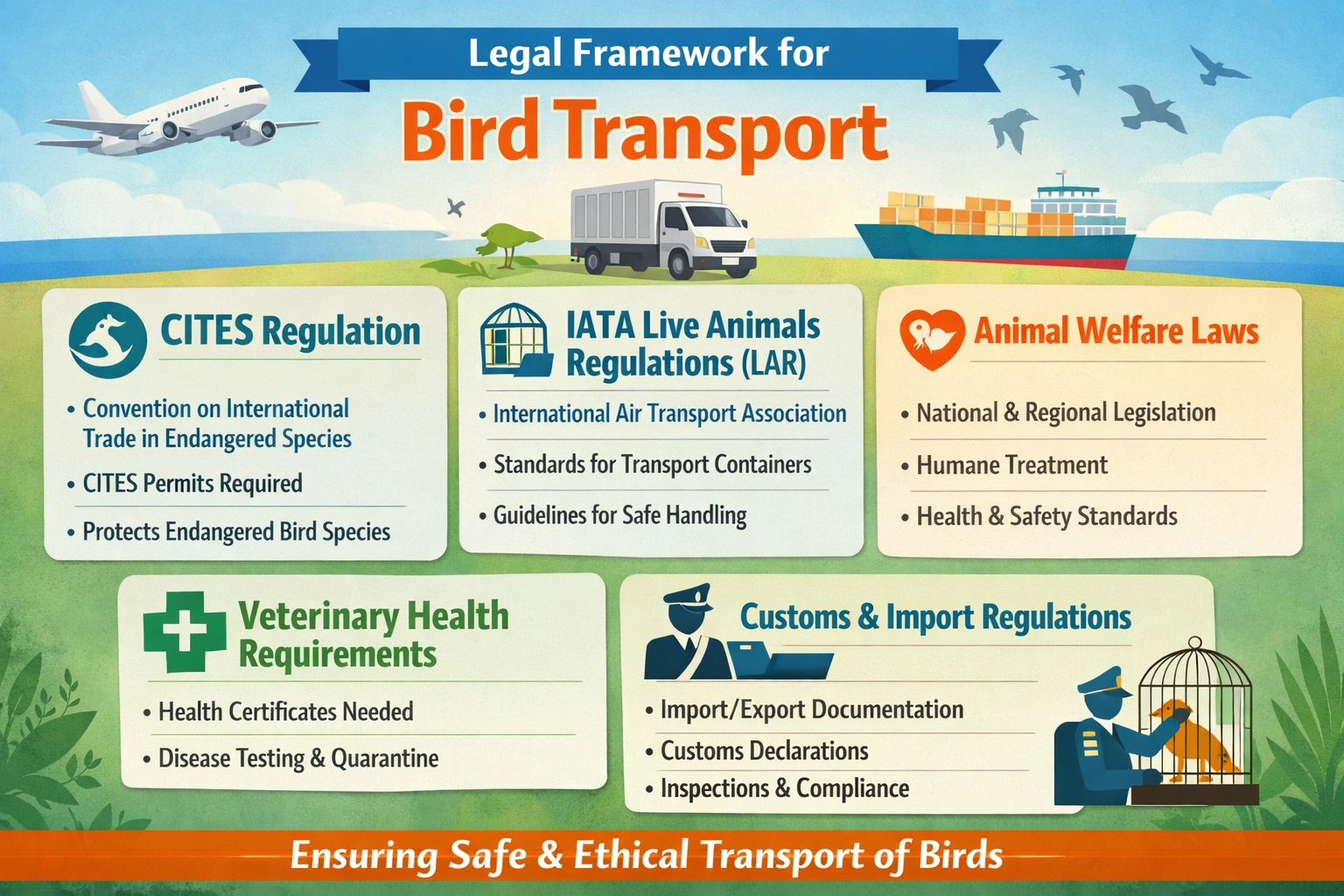
- CITES regulations – The Convention on International Trade in Endangered Species governs international movement of many exotic birds
- National laws – In the US, the Wild Bird Conservation Act restricts certain species
- State/provincial requirements – Many jurisdictions require licenses for native or exotic species
- Illegal wildlife trade – Never purchase birds that may have been taken from the wild
In New South Wales, Australia, for example, you need a biodiversity conservation licence to keep many native birds, and you must buy only from licensed dealers who provide proper receipts . Similar regulations exist worldwide.
Spectacular Rare Species for Experienced Keepers
Here are some of the most extraordinary rare birds that dedicated enthusiasts might consider :
Black Palm Cockatoo
A bird as spectacular as it is unusual, the Black Palm Cockatoo is an eye-catching species from Australia. These very large birds are highly intelligent but not known for being especially affectionate .
- Size: 20 inches
- Weight: 31-42 ounces
- Appearance: Dark smoky gray to black body, very long dark crest, vivid red patches of bare skin on cheeks
- Care level: Only for highly experienced owners of large difficult parrots
- Temperament: Bold, intelligent, requires proper training
Victoria Crowned Pigeon
These regal giants are the largest pigeon species in the world, featuring elegant lace-like blue crests and striking maroon chests .
- Size: Up to 29 inches
- Weight: 5.5 pounds
- Appearance: French blue feathers, dark mask, maroon breast, crest of dark blue lace with white tips
- Care level: Need expansive floor space, cannot be kept in traditional cages
- Temperament: Gentle and surprisingly tameable, but need room to walk
Golden Conure (Queen of Bavaria Conure)
These massive, colorful conures are endangered due to wild capture, making them increasingly rare in the pet trade .
- Size: 14 inches
- Weight: 8 ounces
- Appearance: Brilliant yellow body with dark green flight feathers
- Care level: Strictly regulated sales, difficult to find
- Status: Endangered, require specialized care
Eclectus Parrot
These parrots display the most dramatic sexual dimorphism of any parrot species—males and females look like completely different birds .
- Size: Medium-large
- Appearance: Males brilliant emerald green, females stunning scarlet and royal purple
- Lifespan: 30+ years
- Special needs: Diet high in fresh fruits and vegetables, minimal seeds
- Temperament: Gentle, exceptional speaking abilities
Toucan Species
With their outsized, colorful bills and playful personalities, toucans are among the most recognizable exotic birds .
- Diet: Specialized low-iron fruits and pellets
- Housing: Need spacious custom housing
- Lifespan: 20+ years
- Considerations: Very active, messy feeders, need substantial investment
Lady Gouldian Finch
These Australian natives are living works of art, featuring rainbow-hued plumage in spectacular combinations .
- Appearance: Heads can be red, black, or yellow; brilliant green backs, purple chests, yellow underparts
- Lifespan: 5-8 years
- Best for: Experienced finch keepers with aviary space
- Note: Relatively quiet, suitable for apartment living
The Reality of Rare Bird Ownership
Before pursuing a rare bird, honestly assess whether you can provide :
- Specialized housing – Many rare birds need custom aviaries, not standard cages
- Specific diets – Some require hard-to-find foods or precisely formulated nutrition
- Temperature control – Tropical species need consistent warm environments
- Veterinary access – Not all vets can treat rare species
- Time commitment – Many have long lifespans requiring decades of care
- Financial resources – Rare birds are expensive to purchase and maintain
Ethical Considerations
Responsible ownership of rare birds begins with asking difficult questions :
- Is this bird captive-bred or wild-caught?
- Can I truly provide appropriate care for its entire life?
- Does my living situation allow for the space and environment this bird needs?
- Have I established a relationship with an avian veterinarian experienced with this species?
Part 4: Getting Started – Essential Bird Care Guide
Whether you choose a common budgie or a rare toucan, certain fundamentals apply to all bird keeping.
Choosing the Right Bird
For first-time owners, certain species are proven winners :
| Species | Price Range | Why They’re Good for Beginners |
|---|---|---|
| Budgies | £15-£40 | Small, friendly, can talk, affordable |
| Cockatiels | £60-£150 | Affectionate, gentle, excellent whistlers |
| Canaries | £25-£100 | Beautiful singers, don’t need handling |
| Zebra Finches | £10-£25 | Easy care, social with each other |
| Lovebirds | £40-£100 | Playful, colorful, energetic |
Species beginners should avoid :
- Cockatoos (extremely demanding, loud, behavioral issues)
- Macaws (very large, loud, 50+ year lifespan)
- African Greys (highly intelligent but sensitive, prone to plucking)
- Amazon Parrots (can be aggressive, very loud)
- Eclectus Parrots (specialized diet requirements)
One Bird or Two?
- Single bird: Bonds more closely with you, needs daily interaction
- Pair: Keep each other company, less dependent on you
- Best for pairs: Finches, canaries (don’t need human interaction)
- Can be single: Budgies, cockatiels (with daily interaction)
Housing Your Bird
Cage selection is perhaps the most important decision you’ll make :
- Size rule: Bigger is always better. The bird should be able to spread its wings fully without touching the sides
- Bar spacing: Appropriate for your bird’s size to prevent head getting stuck
- Shape: Rectangular is better than round (birds need corners)
- Material: Powder-coated or stainless steel (avoid zinc and lead)
- Location: Avoid kitchens (fumes from non-stick cookware are deadly), bathrooms (humidity fluctuations), direct sunlight, and drafts
- Budgies: 60×40×40cm
- Cockatiels: 60×60×80cm
- Lovebirds: 60×60×60cm
- Canaries: 60×40×40cm (prefer flight cages)
- Perches of various sizes and materials (natural wood best)
- Separate food dishes for pellets, seeds, fresh food
- Water dish or bottle (changed daily)
- Variety of toys for mental stimulation
- Cuttlebone for calcium and beak maintenance
Nutrition: You Are What You Eat
Proper nutrition is crucial for bird health :
Balanced diet proportions:
- Pellets: 60-70% of diet (complete nutrition)
- Seeds: 10-20% maximum (high fat, use as treats)
- Fresh vegetables: 20-30% daily (variety important)
- Fresh fruit: 5-10% occasional treats (high sugar)
Safe vegetables (offer daily variety) :
- Leafy greens (kale, spinach, lettuce)
- Carrots, broccoli, bell peppers
- Courgette, peas, sweetcorn
- Sweet potato (cooked)
Safe fruits (occasional treats) :
- Apples (no seeds), berries, melon
- Grapes, banana, mango, papaya
NEVER feed these toxic foods :
- Avocado (extremely toxic)
- Chocolate, caffeine, alcohol
- Salt (dangerous in quantity)
- Onions and garlic
- Apple seeds (contain cyanide)
- Fruit pits
Daily Care Routine
- Uncover cage and greet your bird
- Provide fresh water and breakfast (pellets and fresh food)
- Quick cage check and interaction time
Throughout the day:
- Monitor behavior
- Provide interaction and attention
- Rotate toys
- Offer foraging opportunities
- Supervised out-of-cage time
Evening:
- Remove fresh food after 2-4 hours
- Interaction time
- Spot clean cage
- Cover cage if using cover
- Consistent bedtime routine
Weekly:
- Full cage clean (wash all surfaces)
- Replace cage liner
- Wash all dishes thoroughly
- Clean perches and toys
- Check for worn or damaged items
Understanding Bird Behavior
Birds are prey animals with specific instincts :
Natural behaviors:
- Flock mentality – They need companionship (human or avian)
- Vocal communication – Calls keep them connected
- Foraging instinct – Need to search for food (enrichment!)
- Chewing – Natural for beak maintenance
- Preening – Hours spent grooming feathers
- Routine-oriented – Thrive on predictable schedules
- Relaxed: Fluffed feathers, one foot tucked, grinding beak
- Happy: Singing, whistling, playing, head bobbing
- Scared: Feathers slicked down, wide eyes, frozen
- Angry: Raised crest, fanned tail, lunging
- Sick: Fluffed up, lethargic, sitting on cage bottom
- Wanting attention: Calling, wing flapping, head bobbing
Taming and Bonding
Building trust takes patience :
- First week: Let bird settle, minimal handling
- Talk softly: Get bird used to your voice
- Move slowly: Sudden movements are scary
- Hand-feeding: Offer treats from your hand
- Consistency: Same person, same routine
- Positive associations: You = good things
Step-up training (essential first command) :
- Offer finger or perch near bird’s feet
- Say “step up” gently
- Gently press against lower chest
- Praise when they step up
- Practice daily, keep sessions short (5-10 minutes)
Health and Wellness
- Alert and active
- Bright, clear eyes
- Clean, smooth feathers
- Good appetite
- Normal droppings
- Active vocalizations
- Playful behavior
- Good body weight
WARNING SIGNS – See vet immediately if you notice :
- Fluffed up and lethargic
- Not eating or drinking
- Sitting on bottom of cage
- Discharge from eyes or nostrils
- Difficulty breathing
- Change in droppings
- Feather loss or plucking
- Vomiting or regurgitation
Finding an avian vet – Do this BEFORE you need one. Not all vets treat birds .
Safety Considerations
- Non-stick cookware (fumes deadly to birds)
- Scented candles and air fresheners
- Cleaning products (use bird-safe cleaners)
- Toxic houseplants
- Open windows and doors (escape risk)
- Ceiling fans (deadly when bird is out)
- Other pets (cats and dogs)
- Hot surfaces (stoves, irons)
- Close all windows and doors
- Turn off ceiling fans
- Cover mirrors and windows (birds may fly into them)
- Remove other pets from the room
- Supervise constantly
- Bird-proof the area
Part 5: Birds and Human Health – The Science of Wellbeing
The One Health Connection
The “One Health” concept recognizes that human health, animal health, and environmental health are interconnected. Birds play a significant role in this framework through their contributions to :
- Ecosystem functioning – Supporting biodiversity that benefits humans
- Recreation – Bird watching is a major leisure activity worldwide
- Pest control – Reducing insects that damage crops and spread disease
- Pollination services – Some bird species pollinate food plants
Psychological Pathways
The health benefits of birds operate through multiple pathways :
- Aesthetic appreciation – Beauty and wonder reduce stress
- Cultural connection – Birds feature in art, music, and tradition
- Recreational engagement – Active bird-related hobbies provide purpose
- Spiritual experiences – Connection with nature meets deep human needs
The Healing Power of Song
Canaries and other songbirds have been kept for their music for centuries. Research confirms that bird song reduces stress and promotes relaxation—one reason why recordings of birdsong are used in therapeutic settings.
Therapeutic Applications
Birds are increasingly used in animal-assisted therapy programs for:
- Elderly individuals in care facilities
- Children with developmental differences
- People recovering from trauma or illness
- Individuals with mental health challenges
Part 6: Beyond Pets – Birds as Partners in Sustainable Living
Flock Birds and Homesteading
For those with land, birds can serve purposes beyond companionship :
Poultry options:
- Chickens for eggs and meat
- Ducks for slug control and eggs
- Geese for weed control and guard duties
- Guineas for tick control
- Peacocks for beauty and alarm calling
These flock animals are generally easy to keep, spend most of their time foraging for their own food, and can provide income through egg sales .
Falconry: The Ancient Partnership
In some areas with proper licensure, people can own birds of prey for falconry. This ancient practice involves trapping a bird in the wild and training it to hunt. While not traditional pet ownership, it represents a unique human-bird partnership that dates back millennia .
Conservation Through Aviculture
Responsible captive breeding of rare birds serves conservation purposes by:
- Maintaining genetic diversity
- Providing insurance populations against extinction
- Reducing pressure on wild populations
- Educating the public about threatened species
Part 7: Making Your Decision – Is a Bird Right for You?
Questions to Ask Yourself
Before acquiring any bird, honestly answer these questions :
- Why do I want a bird? What am I seeking in a pet?
- How much time can I dedicate daily? Birds need interaction every single day.
- Can I afford bird ownership? Initial setup, food, toys, and veterinary care add up.
- What’s my noise tolerance? Some birds are very loud.
- Do I have appropriate space? Both for cage and out-of-cage time.
- Am I prepared for the lifespan? Some birds outlive their owners.
- Who will care for the bird if I can’t? Have a plan.
- Have I researched specific species? Needs vary dramatically.
Creating Your Bird Action Plan
If you’ve decided a bird is right for you:
- Research thoroughly – Learn everything about your chosen species
- Find an avian vet – Establish a relationship before you need one
- Set up the cage – Have everything ready before bringing your bird home
- Choose your bird – Buy from reputable breeders or licensed pet shops
- Prepare your home – Bird-proof thoroughly
- Start slowly – Give your new bird time to adjust
- Build routine – Consistency builds trust
- Enjoy the journey – Bird keeping is a learning process
Resources for Bird Keepers
- Join a bird group (avicultural society) to meet other keepers and get advice
- Connect with online communities – Reddit, forums, and social media groups
- Find reputable breeders – Through clubs and veterinary recommendations
- Consult your avian vet – For all health and behavior questions
Conclusion: A Partnership Like No Other
Birds have accompanied humans for thousands of years—as food sources, as working partners, as symbols in our art and religion, and as beloved companions . Today, they continue to enrich our lives in countless ways, from the cheerful budgie in a city apartment to the rare toucan in a dedicated enthusiast’s aviary.
The decision to share your life with a bird is not one to be taken lightly. It requires research, preparation, financial commitment, and a willingness to adapt your home and routine to another creature’s needs. But for those who make that commitment, the rewards are immeasurable.
Birds offer something unique in the world of human-animal relationships. They don’t just live alongside us—they engage with us, learn from us, and teach us in return. Their songs lift our spirits, their antics make us laugh, and their trust humbles us. They connect us to the natural world in ways that few other pets can match.
As one veterinarian beautifully expressed it: “Some birds cackle along with your jokes and make fun of you afterward. They can be real characters” . Those characters—with their bright eyes, soft feathers, and big personalities—are waiting to become part of your story.
The question isn’t whether birds make good pets. The question is: Are you ready to become part of their world?
Whether you’re just beginning to explore bird ownership or you’re a seasoned enthusiast looking to expand your flock, remember that every bird deserves a lifetime of proper care. The journey of bird keeping is one of continuous learning, endless fascination, and deep reward.