

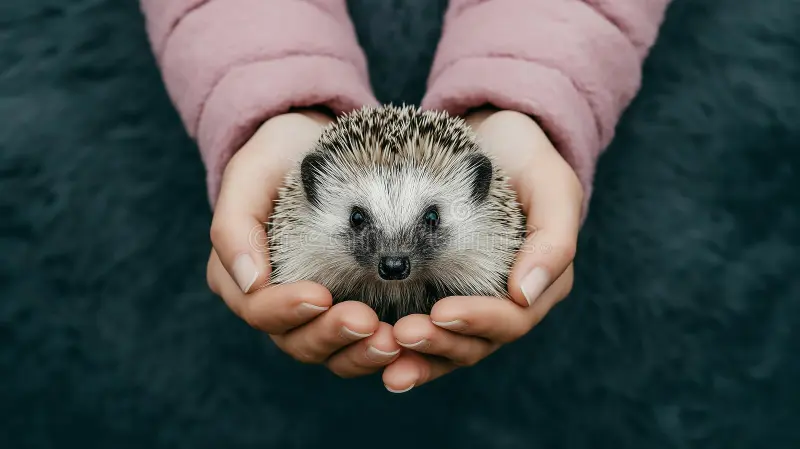
Animal handling is a profession with significant inherent risks, where safety depends entirely on rigorous training, proper facilities, and strict safety protocols .
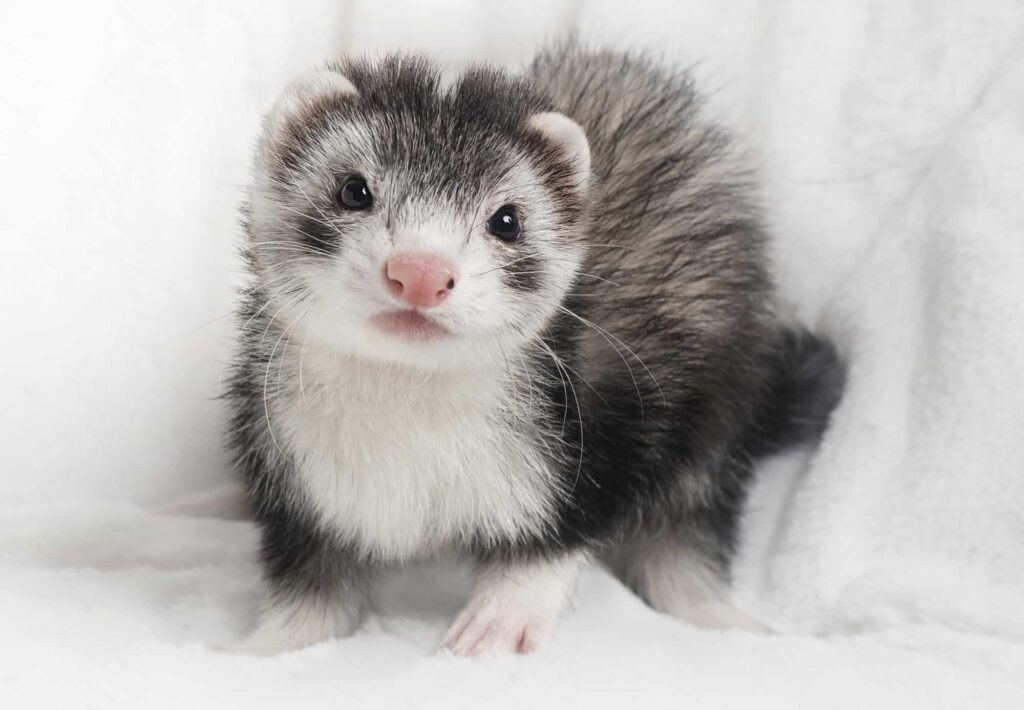
Creature Cuddles appears to be a UK-based (Bristol/Bath area) professional animal handling service offering hands-on, educational sessions with various animals like guinea pigs, rats, tortoises, dogs, reptiles, and more. They provide therapeutic visits (e.g., to care homes), birthday parties, and interactive experiences, often described as gentle and joyful.
They emphasize being DBS checked (background checked), insured, and licensed, which suggests a focus on safety and professionalism.
Is Creature Cuddles advisable / how safe is animal handling like this?
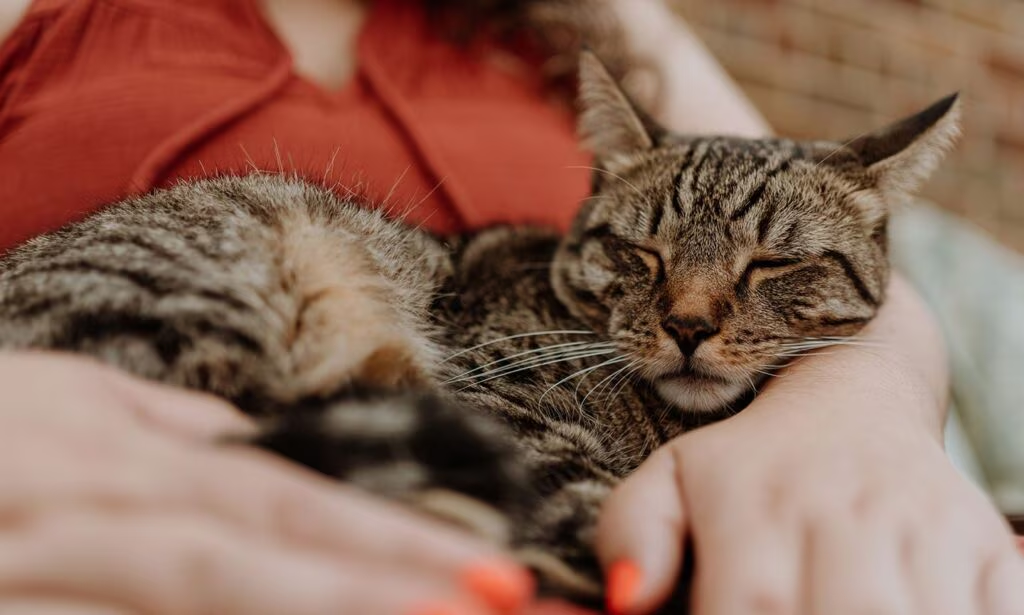
These supervised sessions are generally advisable and quite safe when run by experienced, licensed handlers like Creature Cuddles. Benefits include:
- Educational value (learning about animals)
- Therapeutic effects (comfort, joy, reduced stress — especially for elderly or kids)
- Lasting positive memories
Safety aspects from similar professional setups:
- Animals are selected for gentle temperaments and often vet-checked.
- Handlers supervise closely to prevent stress to animals or injury to people.
- Sessions use calm techniques: slow movements, no sudden noises, proper support for the animal.
Risks (low but present in any animal interaction):
- Minor scratches/bites if an animal gets startled.
- Allergic reactions or hygiene issues (washed hands before/after).
- Not all animals enjoy handling equally — ethical services watch for stress signs.
Overall, professional ones like this are much safer than unsupervised petting or wild/exotic animal contact. They’re a great, low-risk way to enjoy “creature cuddles” if you’re in the area or booking similar services.
Click here to download the AAIBI Safety Checklist:
Cuddle With Caution: The Life-Saving Safety Checklist Every Parent Needs Before a ‘Creature Cuddles’ Event
A guide for parents, schools, and organizers working with programs like “Creature Cuddles”.
Animal handling is a profession with significant inherent risks, where safety depends entirely on rigorous training, proper facilities, and strict safety protocols.
Creature Cuddles appears to be a UK-based (Bristol/Bath area) professional animal handling service offering hands-on, educational sessions with various animals like guinea pigs, rats, tortoises, dogs, reptiles, and more. They provide therapeutic visits (e.g., to care homes), birthday parties, and interactive experiences, often described as gentle and joyful.
They emphasize being DBS checked (background checked), insured, and licensed, which suggests a focus on safety and professionalism.
Is Creature Cuddles advisable / how safe is animal handling like this?
These supervised sessions are generally advisable and quite safe when run by experienced, licensed handlers like Creature Cuddles. Benefits include:
- Educational value (learning about animals)
- Therapeutic effects (comfort, joy, reduced stress — especially for elderly or kids)
- Lasting positive memories
Safety aspects from similar professional setups:
- Animals are selected for gentle temperaments and often vet-checked.
- Handlers supervise closely to prevent stress to animals or injury to people.
- Sessions use calm techniques: slow movements, no sudden noises, proper support for the animal.
Risks (low but present in any animal interaction):
- Minor scratches/bites if an animal gets startled.
- Allergic reactions or hygiene issues (washed hands before/after).
- Not all animals enjoy handling equally — ethical services watch for stress signs.
Overall, professional ones like this are much safer than unsupervised petting or wild/exotic animal contact. They’re a great, low-risk way to enjoy “creature cuddles” if you’re in the area or booking similar services.
Part 1: Understanding the risks
Animal welfare, physical harm, public health – a reputable organization will never view safety protocols as “red tape”.
✅ Section A: Regulatory compliance
👉 full checklist continues in the PDF…
Part 2: The AAIBI comprehensive checklist
Use this checklist to vet any animal handling company. Four sections: paperwork, animal welfare, staff, hygiene.
Animal health & welfare
- Pre-event health check – no sick or injured animals on site.
- Species-appropriate temperament – young/aggressive animals excluded from contact.
- Veterinarian on call + biosecurity plan.
Staff qualifications
- Species-specific knowledge and ability to read animal stress.
- No use of tranquilizers or abusive handling.
📥 Get the full printable checklist
Includes all 5 sections, vetting questions, hygiene protocols, and emergency procedures — designed by AAIBI safety experts.
Download AAIBI Safety Checklist3 questions you MUST ask before booking “Creature Cuddles” or any animal program:
- “Can we see your health certificates and insurance?”
- “What training do handlers have, and how do you monitor animal stress?”
- “What are your hygiene protocols between events?”
Part 3: Hygiene & emergency procedures
Handwashing stations, no-food zones, incident protocols… these are the hallmarks of a responsible operator. The AAIBI checklist covers every detail.
Animal handling programs offer wonderful opportunities for education and emotional connection. By using this checklist, you help ensure that these experiences are positive, ethical, and, most importantly, safe for everyone involved.
At AAIBI, we are committed to raising the standard of safety in animal-assisted interactions. Download this guide, share it with your community, and always prioritize safety over convenience.
Disclaimer: This guide is for informational purposes and should be used as a tool for due diligence. It does not constitute legal or professional safety advice. Always consult with relevant local authorities and professional bodies.
Already downloaded? Share with other parents & event planners.
Here is a summary of the key safety findings from official and academic sources:
🚧 The Reality of Animal Handling Risks
The documents I obtained paint a clear picture of the hazards involved in working with animals, which would apply to any animal handling business:
- Risk of Physical Harm: Working with animals, especially larger ones like cattle, is considered dangerous. People have been seriously injured or killed while handling them . Even in a shelter environment with smaller animals like dogs, serious incidents can occur. For example, Cal/OSHA recently fined an animal services center over $563,000 after an employee was mauled by a dog, citing a lack of proper training and failure to address overcrowding .
- Animal Welfare is Directly Linked to Handler Safety: How an animal is handled directly impacts its well-being, which in turn affects handler safety. Inappropriate handling—such as rushing, using forceful methods, or a lack of skill—can cause animals to experience pain and fear. A frightened or pained animal is much more likely to react unpredictably and cause injury. Key hazards that lead to these consequences include:
- Workplace Safety Statistics are a Warning: In more industrial settings like slaughtering and processing, workers suffer serious injuries at a rate more than double that of other private industries . These injuries often come from a combination of animal handling and environmental hazards like slippery floors and dangerous machinery .
🔍 How to Evaluate “Creature Cuddles Animal Handling”
Since I couldn’t find specific information about this company, here are the critical questions you should ask to determine if their services are safe and advisable:
- What is their safety record? Ask directly about any past incidents or injuries involving their staff or the animals in their care.
- What specific training do their handlers have? A reputable company should have comprehensive training programs in animal behavior, stress-free handling techniques, and emergency procedures .
- What are their safety protocols? Inquire about their procedures for assessing an animal’s temperament, their policies on working alone, and what safety equipment they use .
- Can they provide references? Speaking to past or current clients can give you invaluable insight into their professionalism and safety practices.
To find more specific information, you could try searching for the company’s official website or social media pages, or check for any reviews or complaints on platforms like the Better Business Bureau or Yelp.
The Ultimate Safety Precautions Checklist for Animal Handling Events
A Guide for Parents, Schools, and Event Organizers
By the AAIBI Editorial Team
In recent years, the popularity of “animal cuddling” experiences, petting zoos, and educational animal handling programs has skyrocketed. The promise of a child connecting with a gentle creature—often marketed under warm names like “Creature Cuddles”—is undeniably appealing.
However, as industry professionals and safety advocates, we at AAIBI know that behind the joy of these interactions lies a significant responsibility. Animal handling is a profession with inherent risks, including animal welfare concerns, disease transmission (zoonosis), and physical safety hazards.
Whether you are a school organizing a visit, a parent attending a birthday party with animal encounters, or an event planner hiring a mobile zoo, you need to know what safety looks like.
This downloadable guide provides a comprehensive checklist to ensure that the “cuddles” are safe for everyone—the humans and the animals alike.
Part 1: Understanding the Risks (Why a Checklist is Vital)
Before we dive into the checklist, it is important to understand why these precautions are non-negotiable.
- Animal Welfare: An animal that is stressed, sick, or frightened is unpredictable. Poor welfare leads directly to safety risks for handlers and the public .
- Physical Harm: Even small animals can bite, scratch, or kick when startled. Larger animals pose risks of crushing or trampling .
- Public Health: Animals can carry diseases transmissible to humans (zoonotic diseases). Proper hygiene and health checks are essential to prevent outbreaks .
A reputable organization will not view safety protocols as “red tape,” but as the foundation of their service.
Part 2: The AAIBI Comprehensive Safety Checklist
Use the following checklist to vet any animal handling company or program.
Section A: Regulatory Compliance & Paperwork
The “Behind the Scenes” Safety Net
- Licenses and Permits: Does the organization hold all required local and national licenses to exhibit or transport animals?
- Health Certificates: Can they provide current health certificates for every animal present, issued by a licensed veterinarian? These should certify the animals are free from infections and fit for public interaction .
- Public Liability Insurance: Do they have adequate insurance coverage? Ask for a copy of their certificate. This protects you in case of an incident.
- Risk Assessment: For venue bookings, have they provided a formal Risk Assessment and Method Statement (RAMS) ? This document outlines the hazards they have identified and how they plan to mitigate them .
Section B: Animal Health & Welfare
Happy, Healthy Animals = Safe Interactions
- Pre-Event Health Check: Were the animals inspected on the day of the event? No animal showing signs of illness (lethargy, lesions, scabs, diarrhea, coughing) should be participating .
- Appropriate Species & Temperament: Are the animals suitable for handling? Young animals should not be exposed to rough handling. Animals known to be aggressive, pregnant, or overfat should not be used in public contact programs .
- Veterinary Access: Is there a veterinarian on-call who can attend quickly in an emergency?
- Biosecurity: Do they have a plan to prevent disease spread? This includes cleaning and disinfecting equipment, pens, and transport vehicles between events .
Section C: Staff Qualifications
The Handler is the First Line of Defense
- Species-Specific Knowledge: Does the handler have demonstrated knowledge and experience with the specific species they are managing? Handling a rabbit is different from handling a reptile or a parrot .
- Ability to Read Animal Stress: Can the handler recognize signs of stress or fear in the animals (e.g., hiding, freezing, aggression, attempts to flee)? They should be able to remove an animal from a situation immediately if it becomes distressed .
- Prohibited Practices: Do they avoid harmful handling techniques? Handling should be careful and expeditious to avoid trauma. Physical abuse, deprivation of food/water to control animals, or the use of tranquilizers to facilitate handling is strictly prohibited .
Section D: Public Interaction & Environment
The Rules of Engagement
- Supervision: Is a responsible, knowledgeable attendant present and actively supervising the interaction at all times ?
- Safe Handling Briefing: Before contact, does the staff brief participants (especially children) on how to behave? This includes:
- Not startling the animal.
- Being gentle and quiet.
- Avoiding contact when the animal is eating, sleeping, or toileting.
- Proper handwashing protocols .
- Barriers and Distance: For larger or more dangerous animals, is there a sufficient barrier or distance between the public and the animal to ensure safety?
- Containment: Are all animals secured to prevent escape? Pens and enclosures must be safe and secure .
- Climate Control: Are the animals protected from extreme weather? They should have access to shade, water, and shelter from heat, cold, or rain .
Section E: Hygiene & Emergency Procedures
The “What If” Plan
- Handwashing Stations: Are handwashing facilities (soap, water, sanitizer) readily available and clearly signposted for use immediately after handling animals?
- No Food Zones: Is there a clear separation between animal contact areas and areas where food and drink are consumed?
- Incident Protocol: Do they have a clear plan for what happens if someone is bitten, scratched, or has an allergic reaction?
- Injury Response: Is there a vehicle available to remove an injured animal, and is there a first aid kit for humans on site?
Part 3: Questions You Should Ask Before Booking
If you are speaking to a company like “Creature Cuddles,” here are the three most important questions you can ask:
- “Can we see your current health certificates and public liability insurance before the event?”
- “What training do your handlers have, and how do you know when an animal is too stressed to continue?”
- “What is your hygiene protocol, specifically regarding handwashing and cleaning equipment between locations?”
A professional, safety-conscious organization will welcome these questions. If they are evasive or dismissive, consider it a major red flag.
Conclusion
Animal handling programs offer wonderful opportunities for education and emotional connection. By using this checklist, you help ensure that these experiences are positive, ethical, and, most importantly, safe for everyone involved.
At AAIBI, we are committed to raising the standard of safety in animal-assisted interactions. Download this guide, share it with your community, and always prioritize safety over convenience.
Disclaimer: This guide is for informational purposes and should be used as a tool for due diligence. It does not constitute legal or professional safety advice. Always consult with relevant local authorities and professional bodies.



Leave a Reply