

Imagine thousands of monkeys seated at a lavish banquet. Camels strutting down runways to be judged on the size of their lips. Men leaping over rows of babies to ward off evil spirits. Dogs being worshipped with flower garlands. And yes, even slugs racing for glory.
Welcome to the strange, wonderful, and utterly bizarre world of animal festivals—where tradition meets spectacle, and the guest of honor often has four legs, fur, feathers, or fins. From the deserts of Saudi Arabia to the mountains of Japan, these celebrations prove that when it comes to honoring our relationship with animals, human creativity knows no bounds.
Here are 25 animal festivals so strange they feel completely unreal—yet they happen every year.
The Majestic & The Regal
1. King Abdulaziz Camel Festival – Saudi Arabia
Location: Al-Sayahid, near Riyadh
When: December–January (annual 45-day event)
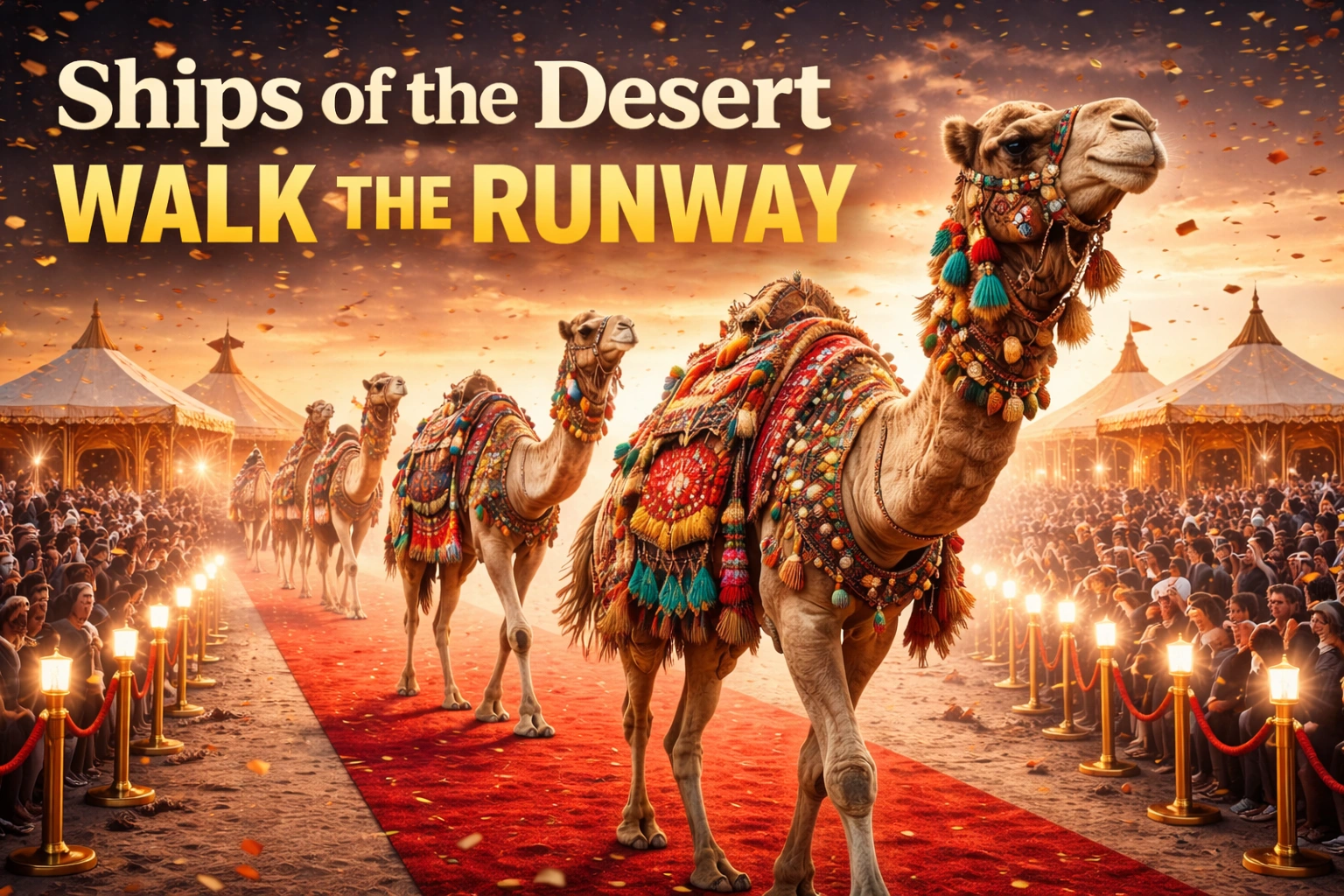
The undisputed heavyweight champion of animal festivals, this $66 million extravaganza transforms the Saudi desert into a bustling city of camel enthusiasts. Thousands of camels compete in beauty pageants where judges scrutinize neck length, lip size, hump shape, and eyelash density . The stakes are enormous—winning camels can sell for millions. But the festival has faced controversy: in recent years, dozens of camels were disqualified for receiving Botox injections, lip fillers, and even silicone hump enhancements . Beyond the pageantry, visitors can witness camel races with robot jockeys, poetry competitions, and a sprawling heritage village celebrating Bedouin culture.
2. Pushkar Camel Fair – India
Location: Pushkar, Rajasthan
When: November (Kartik Purnima)
Imagine a golden desert landscape where 30,000 camels, horses, and cattle gather in a kaleidoscope of color and chaos. The Pushkar Camel Fair began centuries ago as a simple livestock trading event but has evolved into one of India’s most spectacular cultural celebrations . Camels are lavishly decorated, shaved into intricate patterns, and paraded through the sands. Traders negotiate deals while turbaned musicians play folk tunes, snake charmers hypnotize cobras, and mustache competitions determine who has the most impressive facial hair . As the sun sets, thousands gather at the sacred Pushkar Lake for spiritual ceremonies—a surreal blend of commerce, culture, and devotion.
3. Elephant Festival – Jaipur, India
Location: Jaipur, Rajasthan
When: March (day before Holi)
Jaipur’s Elephant Festival transforms these gentle giants into living canvases. Elephants parade through the Pink City draped in vibrant silks, intricate jewelry, and hand-painted designs that turn each animal into a masterpiece . The highlight is a thrilling tug-of-war between elephants and teams of humans—a contest the elephants usually win with casual ease. Mahouts (elephant handlers) guide their charges through races and traditional games while spectators marvel at the elaborate decorations. The festival celebrates the deep spiritual significance of elephants in Indian culture, where they represent the wisdom of Lord Ganesha, royal power, and prosperity .
4. Elephant Round-Up – Surin, Thailand
Location: Surin Province
When: Third weekend of November
Thailand’s Surin Elephant Round-Up is a spectacular showcase of the country’s national animal. Hundreds of elephants gather for a weekend of demonstrations showing their intelligence and agility—they play soccer, paint pictures, reenact historical battles, and even give foot massages to willing tourists. The festival began in 1960 as a way to honor the royal elephants of Thailand and has since grown into one of the kingdom’s most popular attractions. Visitors can watch elephants demonstrate their logging skills, participate in buffets where they consume tons of fruit, and witness the magnificent “Elephant Banquet” where tables are laden with watermelons, bananas, and sugarcane.
The Primate Parties
5. Monkey Buffet Festival – Lopburi, Thailand
Location: Phra Prang Sam Yot Temple
When: Last Sunday of November
If monkeys ran the world, this is what every day would look like. In the ancient Thai city of Lopburi, locals prepare an extravagant feast for the thousands of macaques that inhabit the local temples . Two tons of fruits, vegetables, cakes, and sodas are artfully arranged on low tables while the monkeys—who usually spend their days stealing sunglasses and snatching snacks from tourists—are invited to dine like royalty . The scene is chaotic: monkeys swing from temple spires, stuff their cheeks with watermelon, and occasionally squabble over prime seating . The festival honors Hanuman, the monkey god from Hindu mythology, and serves as gratitude for the monkeys’ role in attracting tourism .
6. Monkey Feast Festival – Kyoto, Japan
Location: Iwatayama Monkey Park, Arashiyama
When: Late November
While Lopburi’s monkeys get a free-for-all buffet, Kyoto’s approach is more refined. At the Iwatayama Monkey Park, caretakers scatter soybeans, fruits, and nuts across a mountainside clearing to feed the park’s 170+ Japanese macaques. Visitors can observe the monkeys’ social dynamics as they forage—dominant males claim the best spots while mothers protect their infants. The festival is a quieter, more contemplative affair than its Thai counterpart, offering stunning views of Kyoto while wild monkeys wander freely around human visitors.
7. Monkey Dance Festival – Bali, Indonesia
Location: Ubud
When: Year-round performances, special ceremonies during Nyepi
While not exclusively an animal festival, the Kecak (Monkey Dance) of Bali tells the epic story of the Ramayana, where the monkey god Hanuman leads an army of primates to rescue the princess Sita. Performed by dozens of men chanting “cak cak cak” in hypnotic rhythm, the dance culminates in a dramatic fire scene where performers walk across burning coconut husks. During certain temple ceremonies, real monkeys from the nearby Ubud Monkey Forest are believed to channel the spirit of Hanuman, creating a mystical connection between performance and reality.
The Feathered & The Flying
8. International Kite Festival – Gujarat, India
Location: Ahmedabad
When: January 10–14 (Uttarayan)
This isn’t technically an animal festival, but it’s impossible to ignore because the kites transform the sky into an aerial battlefield that mimics nature’s most dramatic conflicts. Millions of kites take to the sky over Gujarat, their glass-coated strings slicing rival kites from the heavens . When a kite falls, the cry “Kai po che!” echoes across rooftops—a sound that could easily be mistaken for exotic bird calls. After dark, illuminated “tukkals” (kites decorated with paper lanterns) float like glowing jellyfish, creating an otherworldly spectacle . The festival marks the end of winter and the start of harvest season, with families gathering on rooftops before dawn to catch the ideal winds.
9. National Eagle Festival – Mongolia
Location: Bayan-Ölgii Province
When: Early October
In the Altai Mountains of western Mongolia, Kazakh hunters have practiced eagle hunting for thousands of years. The annual Eagle Festival celebrates this ancient tradition, where hunters (usually men, though increasingly women participate) display their golden eagles’ skills. Eagles are judged on their ability to return to their handler’s arm on command, fly to prey at astonishing speeds, and demonstrate their hunting prowess. Spectators witness the breathtaking sight of eagles launched from cliff tops, their massive wingspans casting shadows across the snow-dusted landscape. The festival also includes traditional games like “kokpar” (goat carcass tug-of-war on horseback) and camel racing.
10. International Vulture Awareness Day – South Africa
Location: Multiple sites across the country
When: First Saturday of September
Vultures may not be the most charismatic birds, but South Africa has embraced these misunderstood scavengers with enthusiasm. At sites like the Magaliesberg Mountains, conservationists host open days where visitors can watch vulture feeding sessions, learn about their critical ecological role, and witness the spectacular sight of hundreds of Cape vultures riding thermal currents. The event highlights the desperate conservation status of Africa’s vultures—many species face extinction from poisoning and habitat loss—while celebrating their beauty and grace in flight.
11. Cooper’s Hill Cheese Rolling – Gloucestershire, England
Location: Cooper’s Hill, near Gloucester
When: Late May (Spring Bank Holiday)
Technically, this is a cheese festival rather than an animal festival—but watching humans hurl themselves down a near-vertical hill chasing a wheel of Double Gloucester cheese evokes our primal animal instincts. Participants tumble, roll, and occasionally break bones in pursuit of the 9-pound cheese wheel, which can reach speeds of 70 mph . The winner gets the cheese (and usually significant medical attention). The tradition dates back centuries, though its origins remain mysterious. As one observer noted, it’s less “athletic competition” and more “human avalanche” .
The Aquatic & Amphibian
12. Frog Festival – Rayne, Louisiana, USA
Location: Rayne
When: November
Rayne proudly bills itself as the “Frog Capital of the World,” and each November, the town’s amphibian obsession takes center stage . The festival’s highlight is the frog beauty pageant, where sparkly frogs (and children dressed as frogs) compete for titles like “Frog Queen” and “Tadpole King” . Frog jumping competitions, inspired by Mark Twain’s famous story, see contestants leaping for glory while Cajun zydeco music fills the air. Visitors can sample fried frog legs, browse frog-themed arts and crafts, and learn about Rayne’s history as a major supplier of frog legs to restaurants worldwide in the early 1900s .
13. Tunarama Festival – Port Lincoln, Australia
Location: Port Lincoln, South Australia
When: January
Port Lincoln calls itself the “Tuna Capital of Australia,” and each January, the town celebrates with the World Championship Tuna Toss . Contestants hurl 10kg frozen tuna fish through the air like Olympic athletes—the current record stands at an astonishing 37.23 meters . Beyond the flying fish, the festival offers fresh seafood cooking demonstrations, a marine-themed street parade, fireworks over the Southern Ocean, and prawn peeling races . What began in 1962 as a simple celebration of the local fishing industry has become a quirky spectacle attracting thousands who watch fishmongers transform their daily work into athletic performance.
14. Snake Festival – Kefalonia, Greece
Location: Markopoulo village
When: August 15 (Assumption of the Virgin Mary)
On the Greek island of Kefalonia, a miracle occurs each August: hundreds of snakes converge on the Church of Panagia Lagouvarda (also known as Panagia Fidousa, meaning “The Virgin Mary of the Snakes”) . The snakes, which are completely harmless and non-venomous, appear during the Orthodox festival honoring the Virgin Mary—and disappear as soon as the festivities conclude . Legend holds that snakes miraculously appeared centuries ago to protect nuns from pirates, and their annual return is considered a blessing . Locals believe that if the snakes fail to appear, misfortune follows—as happened in 1941 (Nazi occupation) and 1953 (devastating earthquake) . Pilgrims bring their own snakes to place before the icon of the Virgin Mary, creating an unforgettable scene of faith and nature intertwined.
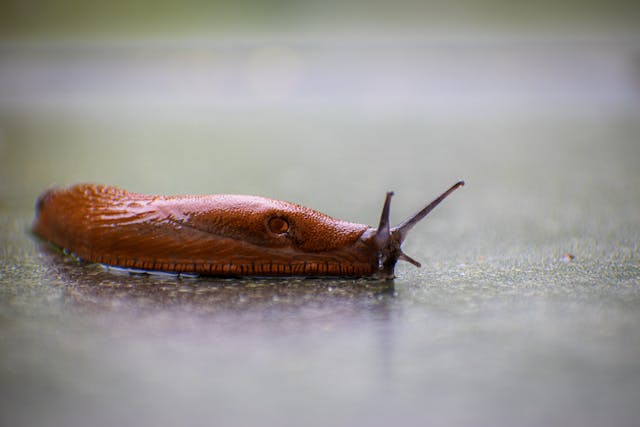
15. Slug Festival – Kingston, Australia
Location: Kingston, Tasmania
When: March
Tasmania’s quirky Slug Festival transforms these humble garden gastropods into unlikely celebrities . The main event features slug races, with competitors given whimsical names like “Slick Rick” and “Lightning Lucy” as crowds cheer for their favorite slime trails . The festival grounds buzz with slug-inspired art exhibits, educational booths teaching about these misunderstood creatures, and adventurous foodies sampling escargot dishes . It’s a celebration of biodiversity that reminds us even the smallest, slimiest creatures deserve their moment in the spotlight.
The Bovine & The Beastly
16. Running of the Bulls – Pamplona, Spain
Location: Pamplona
When: July 6–14 (San Fermín)
Few festivals divide opinion quite like Pamplona’s Running of the Bulls. Each July, thousands of thrill-seekers run through narrow cobblestone streets alongside six fighting bulls, creating a spectacle of adrenaline and danger . The tradition dates back centuries and is intrinsically linked to bullfighting culture . While animal rights groups condemn the event, its defenders argue it preserves cultural heritage and draws global attention to Spanish traditions. Whatever your perspective, there’s no denying the primal intensity of watching humans and bulls race side-by-side through history-soaked streets .
17. Cow Ball Festival – Draguignan, France
Location: Draguignan, Provence
When: August
Imagine a soccer match where the players are massive bulls and the ball is giant inflatable sphere . At the Cow Ball Festival, French farmers showcase their bulls’ playful side as these gentle giants nudge, push, and occasionally head-butt an enormous ball across a makeshift pitch . The crowd cheers as the bulls demonstrate surprisingly agile footwork while local food vendors offer Provençal delicacies and musicians provide a lively soundtrack . It’s a celebration that brings out the playful nature of these usually serious farm animals, proving that sports and animal entertainment can combine in unexpectedly delightful ways .
18. Banni Buffalo Fight – Gujarat, India
Location: Banni region
When: Diwali (October/November)
During Diwali, the festival of lights, the Banni region of Gujarat hosts a unique tradition: buffalo fights that test the strength and stamina of specially trained animals . Unlike the violent spectacles sometimes associated with animal fighting, these contests are about demonstrating endurance and breeding quality . Buffaloes undergo rigorous training regimes—special diets, exercise programs, and careful conditioning—for this ceremonial occasion, which locals view as a mark of rural pride . While animal rights groups have raised concerns, supporters argue the tradition helps preserve strong bloodlines for agricultural work .
19. Goat Racing Festival – Tobago
Location: Buccoo
When: Easter Tuesday
In 1925, Tobago’s locals came up with a brilliant response to their wealthy colonial neighbors’ horse racing traditions: they’d race goats instead . Nearly a century later, the Goat Racing Festival has become one of the Caribbean’s most beloved cultural events. Athletic goats sprint down a track while their human “jockeys” run behind them holding long ropes, barefoot and determined . The goats wear colorful racing silks and numbered bibs while steel pan bands play and the aroma of Caribbean food fills the air . Between races, visitors place friendly bets, groove to calypso music, and witness a tradition that transformed satire into cherished cultural heritage .
20. Cow Chip Throw – Wisconsin, USA
Location: Prairie du Sac
When: Labor Day weekend
Wisconsin’s self-proclaimed “Cow Chip Capital of the World” celebrates bovine waste with enthusiasm and competitive spirit. The Wisconsin State Cow Chip Throw & Festival invites contestants to hurl dried cow patties—sanitized and dried for months in advance—across a field in pursuit of glory. Categories include men’s, women’s, and children’s divisions, with prizes for distance and accuracy. The festival embraces its agricultural heritage with live music, craft vendors, and the proud knowledge that they’ve elevated cow manure to an art form.
21. Kukur Tihar – Nepal
Location: Throughout Nepal
When: October/November (second day of Tihar)
On the second day of Nepal’s Tihar festival (the Nepali equivalent of Diwali), dogs become deities . Kukur Tihar honors the deep bond between humans and canines, acknowledging their loyalty, protection, and companionship . On this day, every dog—whether cherished pet or street stray—receives a garland of marigolds around their neck, a red tika (sacred powder) on their forehead, and a feast of delicious food . The festival beautifully illustrates the unconditional love dogs offer humanity, and watching street dogs receive such reverence is genuinely moving . In Hindu mythology, dogs serve as messengers of Yama, the god of death, and honoring them brings blessings and protection .
The Creepy & Crawly
22. Great Texas Mosquito Festival – Clute, Texas, USA
Location: Clute
When: July
Most people spend their lives trying to avoid mosquitoes. Clute, Texas, throws them a party . The Great Texas Mosquito Festival celebrates the world’s most annoying insect with unironic enthusiasm, featuring a 26-foot-tall mascot named “Willie-Man-Chew” who presides over three days of absurdity . Highlights include the mosquito-calling contest (participants try to attract mosquitoes with their best buzzing sounds), the mosquito legs contest (showing off long, lean legs), and a mosquito-themed beauty pageant . Live music, carnival rides, and food vendors round out the experience, proving that even the most hated creatures can inspire community celebration .
23. Woolly Worm Festival – Banner Elk, North Carolina, USA
Location: Banner Elk
When: October
Forget groundhogs—in North Carolina’s Blue Ridge Mountains, weather prediction belongs to caterpillars . The Woolly Worm Festival celebrates the belief that the woolly bear caterpillar’s striped pattern forecasts winter severity: more black bands mean a harsher winter, while more brown suggests mild conditions . Thousands gather each October to watch woolly worms race up strings, with the winning worm’s stripes analyzed for meteorological insights . Scientists remain skeptical, but locals swear by the tradition’s accuracy . Since 1978, this festival has blended folklore, family fun, and fierce caterpillar competition into one uniquely Appalachian experience .
24. Roadkill Cook-Off – Marlinton, West Virginia, USA
Location: Marlinton
When: September (during Autumn Harvest Festival)
At first glance, a festival centered on roadkill sounds unappetizing . But West Virginia’s Roadkill Cook-Off is actually a celebration of Appalachian resourcefulness, sustainability, and wild game cuisine . Chefs prepare dishes using legally hunted meats like venison, squirrel, raccoon, and groundhog—no actual roadkill is used . Contestants compete to create the tastiest “roadkill-inspired” dishes, with past offerings including squirrel gravy, deep-fried rattlesnake, and bear meat chili . The festival embraces the mountain tradition of wasting nothing and making use of available resources, all while enjoying live music and crafts . It’s adventurous eating with a side of cultural preservation .
25. Turkey Testicle Festival – Huntley, Illinois, USA
Location: Huntley
When: November (before Thanksgiving)
For over 40 years, Huntley, Illinois has celebrated Thanksgiving with deep-fried turkey testicles . The Turkey Testicle Festival draws thousands of adventurous eaters who consider trying this delicacy a rite of passage . Alongside the golden-brown orbs (often served with dipping sauces), attendees enjoy live music, beer tents, and the camaraderie of fellow culinary daredevils . The festival has inspired similar events across the Midwest, proving that no food tradition is too strange when embraced with enthusiasm and humor .
Honorable Mentions (That Defy Easy Categorization)
- Golden Retriever Festival – Tomich, Scotland: A gathering of hundreds of golden retrievers at the breed’s ancestral home . Pure, unfiltered canine joy.
- Camel Wrestling Championship – Selçuk, Turkey: Male camels compete for dominance—and the attention of females—in this centuries-old tradition focused on technique rather than injury .
- K-9 Mardi Gras Parade – New Orleans, Louisiana: Dogs dressed in elaborate Mardi Gras costumes parade through the Big Easy, raising funds for animal rescue .
Why These Festivals Matter
What drives humans to throw tomatoes, chase cheese, or celebrate mosquito legs? The answer reveals something profound about our species.
These festivals preserve traditions that connect communities to their history—whether it’s Bedouin camel culture in Saudi Arabia , Appalachian resourcefulness in West Virginia , or Greek Orthodox faith in Kefalonia . They transform the mundane into the magical, inviting us to see the world with fresh eyes.
Some festivals, like Nepal’s Kukur Tihar, express gratitude for animals that enrich our lives . Others, like Thailand’s Monkey Buffet, acknowledge the creatures we share our spaces with—even when they steal our sunglasses . And some exist purely because humans love absurdity, proving that joy doesn’t always need justification .
As one observer noted, humanity’s collective joy lies in taking something mundane—cheese, tomatoes, monkeys, testicles—and turning it into glorious absurdity . These festivals remind us that life doesn’t always have to make sense. Sometimes, you just need to watch a slug race, cheer for a caterpillar, or marvel at a camel with suspiciously perfect lips.
Because why not? The world is strange. These festivals make it beautifully, wonderfully so.

Leave a Reply